Yukata vs kimono: The simple difference visitors notice in Japan
A practical explanation of yukata vs kimono, from fabric and season to formality, festivals, and why the two garments create different moods.
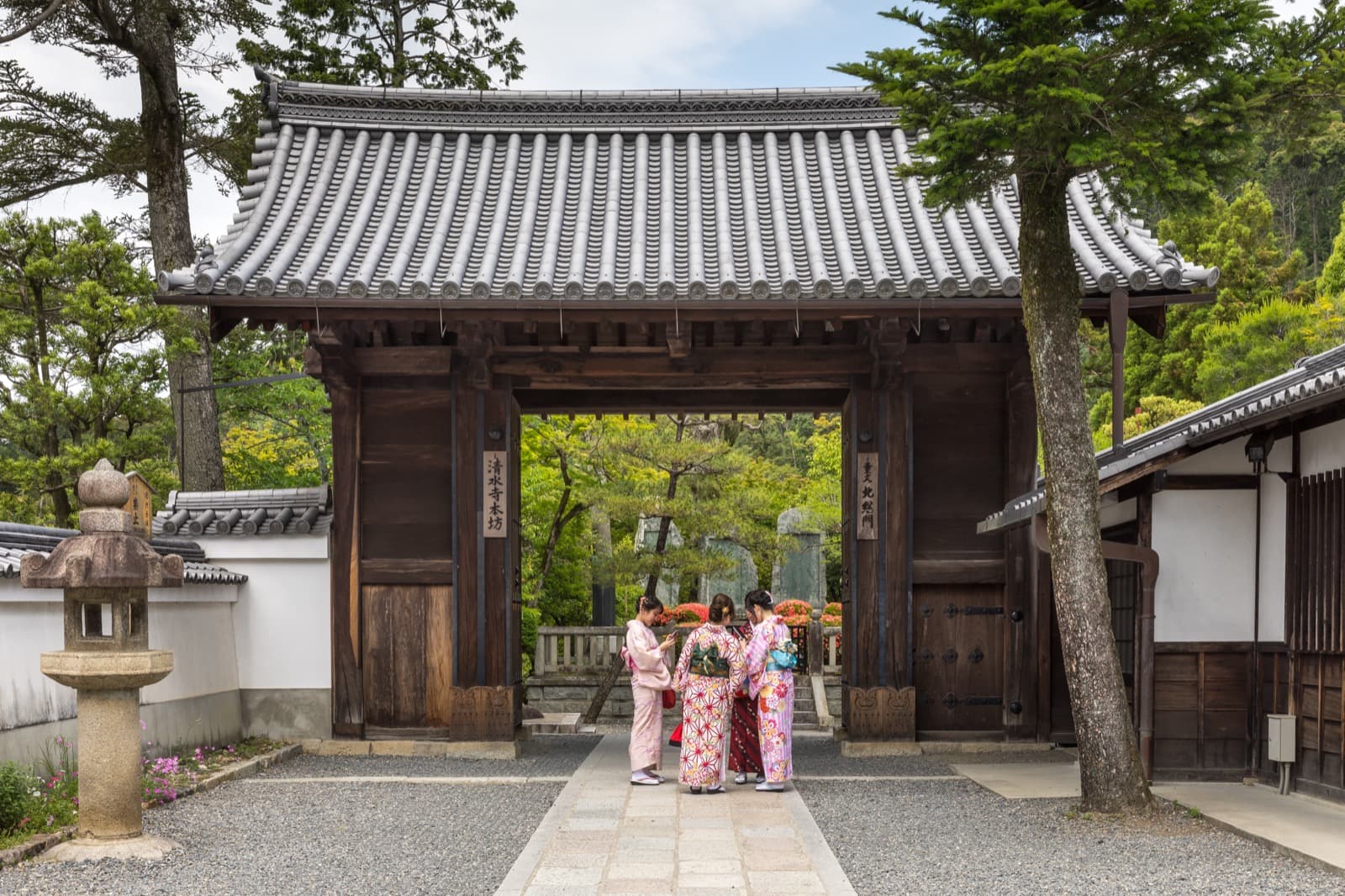
Many visitors search for yukata vs kimono because the two garments look similar at a glance. The difference becomes clearer once you notice season, fabric, layering, and context. One often feels light and relaxed, while the other can carry more ceremony, structure, and social precision.
Why the two garments are easy to confuse
The reason people ask about yukata vs kimono is simple: both garments wrap across the body, tie with an obi, and create a silhouette that many non-specialists read as the same thing. From a distance, that confusion is understandable. The distinction becomes clearer when you pay attention to material, styling, and where the clothing appears.
A yukata is commonly linked to summer. It tends to feel lighter, easier to wear, and more casual in atmosphere. A kimono can cover a wide range of formality, but it usually carries more structure and more social coding. That is why the mood changes even before you know the vocabulary.
How fabric and season change the impression
One of the fastest ways to understand the difference is to think about heat. Yukata are strongly associated with warm weather, festival evenings, and onsen towns where comfort matters. The fabric and styling support movement and airflow, so the garment often reads as informal and seasonal rather than ceremonial.
Kimono, by contrast, are not limited to that summer mood. They can involve more layers, richer textile choices, and a stronger sense of dressing for an event rather than dressing for a relaxed outing. That extra structure is part of why kimono often feel more deliberate.
Where people usually see yukata
For many travelers, the clearest encounter with yukata happens at summer matsuri, fireworks events, or ryokan and hot spring stays. In those spaces, yukata make visual sense immediately. They match the tempo of the evening, the informal walking patterns, and the atmosphere of seasonal leisure.
That context matters for SEO too, because many searches come from people who saw a garment in Kyoto, at a festival, or inside a traditional inn and want the right word for it afterward. Yukata is often the answer when the memory feels specifically summery and relaxed.
Why the distinction matters for learning Japan
Understanding yukata vs kimono is useful because it trains you to notice how clothing signals situation in Japan. Dress is not only aesthetic. It can also communicate time of year, level of formality, and whether a setting is festive, ceremonial, or restful.
For language learners, this kind of distinction is especially helpful. Once the visual categories become clearer, words related to festivals, inns, seasons, and traditional clothing stop feeling abstract and start attaching to scenes you can picture immediately.