Japanese wrapping culture: why packaging still signals care today
In Japan, wrapping is not a disposable extra. Folds, layers, bags, and ribbons still help communicate care, timing, and social awareness.
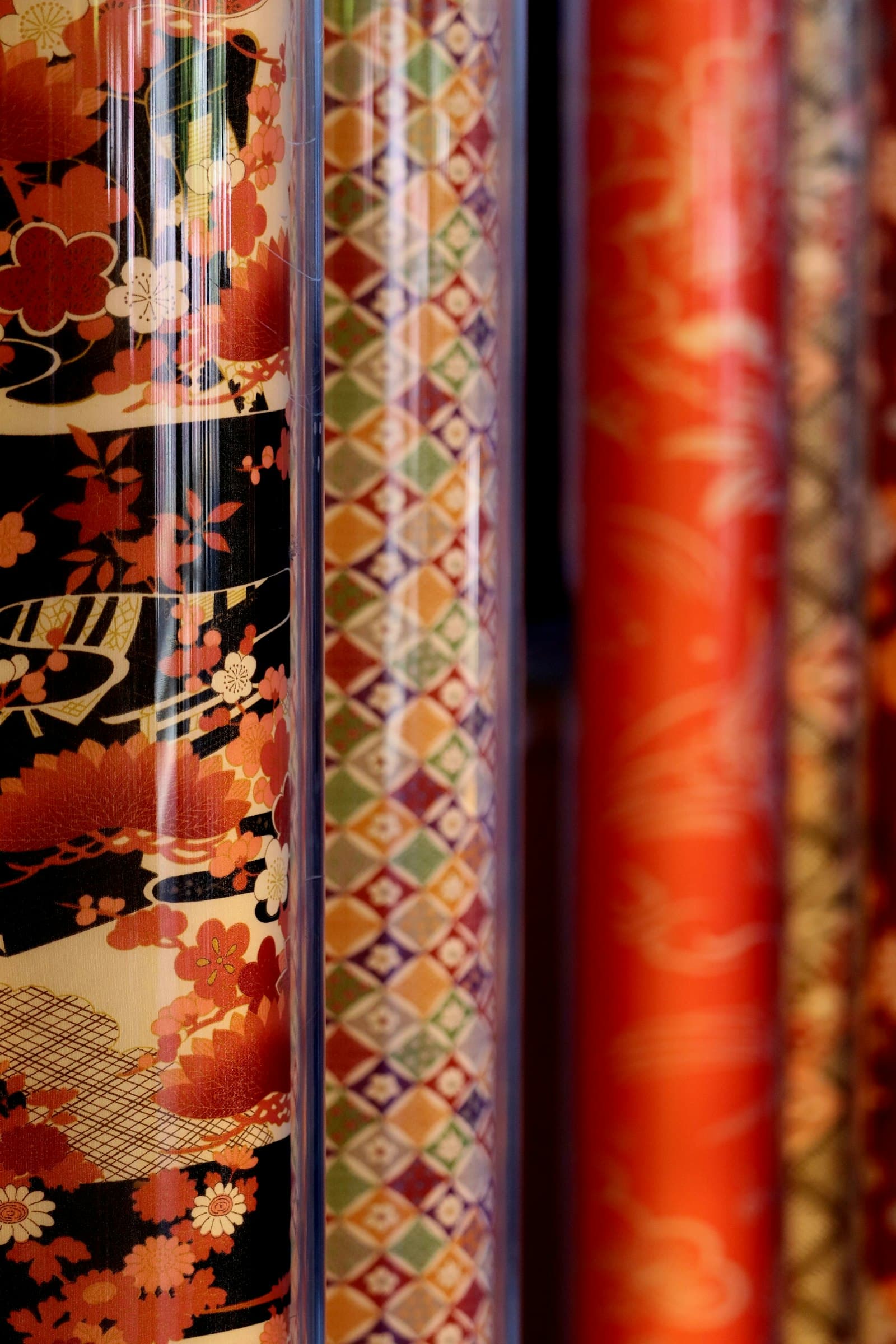
Japanese wrapping culture still matters because presentation often does part of the speaking before a gift, purchase, or souvenir is even opened.
Why wrapping became more than decoration
Japanese wrapping culture stands out because the package is often treated as part of the message. A neatly folded paper layer, a carefully chosen bag, or a box tied so it opens cleanly can make an ordinary purchase feel deliberate. The point is not luxury alone. It is the visible sign that someone thought about the receiving side of the exchange.
That logic has older roots in gift customs, seasonal presentation, and the importance of external order. But it survives today because it still works. Good wrapping slows the moment down, gives shape to anticipation, and helps both sides understand the tone of the interaction before a word is spoken.
How that history survives in modern shops and gifts
Department stores, confectionery shops, and souvenir counters still reflect this older logic. Staff often ask whether an item is for home use or a gift because the answer changes the wrapping style. Tissue placement, paper quality, and even the way handles are turned outward can signal whether something is casual, formal, seasonal, or meant to travel.
This is why packaging in Japan rarely feels like a leftover from the past. It adapts. Convenience stores, online retailers, and airport gift shops all compress the same idea into faster forms: protect the item, yes, but also present it in a way that feels respectful, organized, and ready to be handed over without embarrassment.
What learners can take away
For learners, wrapping culture is useful because it connects visible design choices to social language. Words related to gifts, souvenirs, paper, ribbons, boxes, and polite service become easier to remember when you imagine a real counter interaction instead of memorizing a list. The cultural rule explains why the vocabulary exists in the first place.
It also helps clarify that care in Japan is often communicated indirectly. A clean fold, a protected corner, or a bag handed over with the logo facing forward can carry meaning. Once you notice that pattern, everyday shopping scenes become easier to read and much easier to remember.