Tsukimi in Japan: Why moon viewing still feels seasonal and intimate
A guide to tsukimi, Japan's autumn moon-viewing custom, from dango offerings to seasonal imagery and the quiet mood of the harvest moon.
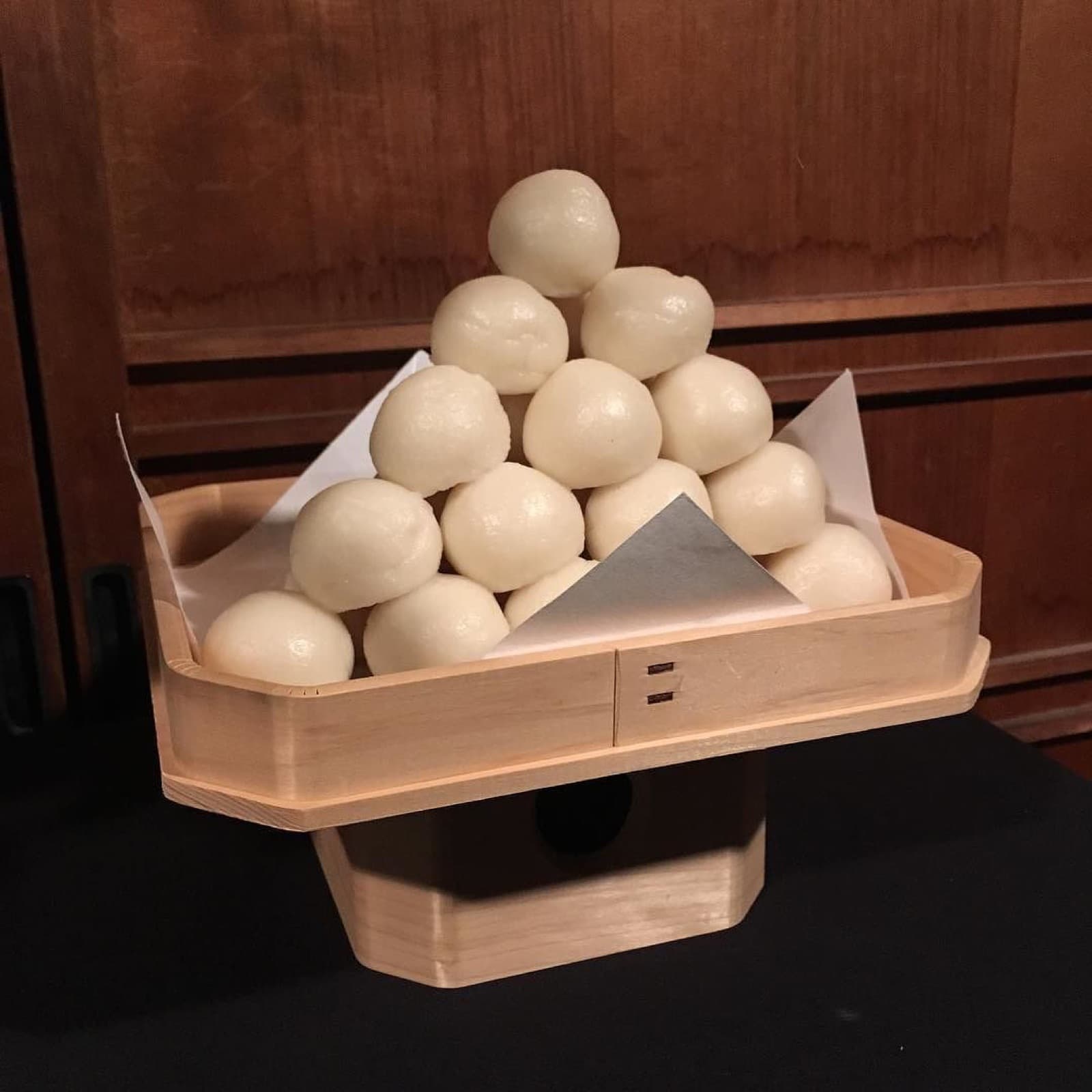
Tsukimi is simple on the surface: look at the autumn moon. What makes the custom memorable is how much atmosphere Japan builds around that quiet act.
What tsukimi means
Tsukimi literally means moon viewing, and in Japan it usually refers to the autumn custom of appreciating the harvest moon. The practice has roots in court culture and agricultural rhythms, but it remains easy to understand today because the core action is so direct: pause, look up, and mark the season through the moon.
Unlike large festivals that fill streets with sound, tsukimi often feels domestic and intimate. It can happen at a temple, in a garden, near a window, or through food packaging and seasonal menus. The custom survives because it adapts well to quiet spaces.
Why dango and pampas grass appear
Tsukimi dango are round rice dumplings arranged as an offering and visual echo of the full moon. Their shape matters because it makes the moon tangible. The offering is not only food; it is a way to bring the season into the room or onto a small display.
Pampas grass, called susuki, is another common element. Its pale plumes resemble rice plants and connect the moon-viewing scene to harvest gratitude. Together, the dango and grass make the ritual legible even when the moon itself is hidden by clouds.
How tsukimi appears in modern Japan
Modern tsukimi is not limited to formal displays. Fast-food chains release tsukimi burgers with egg, sweets shops sell seasonal wagashi, and convenience stores create moon-themed packages for a few weeks each autumn. These commercial versions may look playful, but they keep the seasonal keyword visible in daily life.
That pattern is common in Japan: older seasonal customs do not simply disappear or remain frozen. They become food names, limited editions, store displays, train posters, and small domestic routines. Tsukimi survives partly because it is easy to translate into many formats.
Why moon viewing is useful for learners
For language learners, tsukimi gives a compact way to understand Japanese seasonality. One word connects the moon, autumn, food, plants, offerings, poetry, and modern product culture. That density makes it a strong cultural anchor.
It also shows that not every Japanese custom is loud or complicated. Some traditions work because they ask people to notice a familiar thing with more care. The moon is ordinary, but tsukimi turns the act of looking into a seasonal marker.