Bonsai in Japan: Why a small tree can carry so much time
A beginner-friendly explanation of bonsai in Japan, including pruning, patience, display, and why miniature trees feel larger than their size.
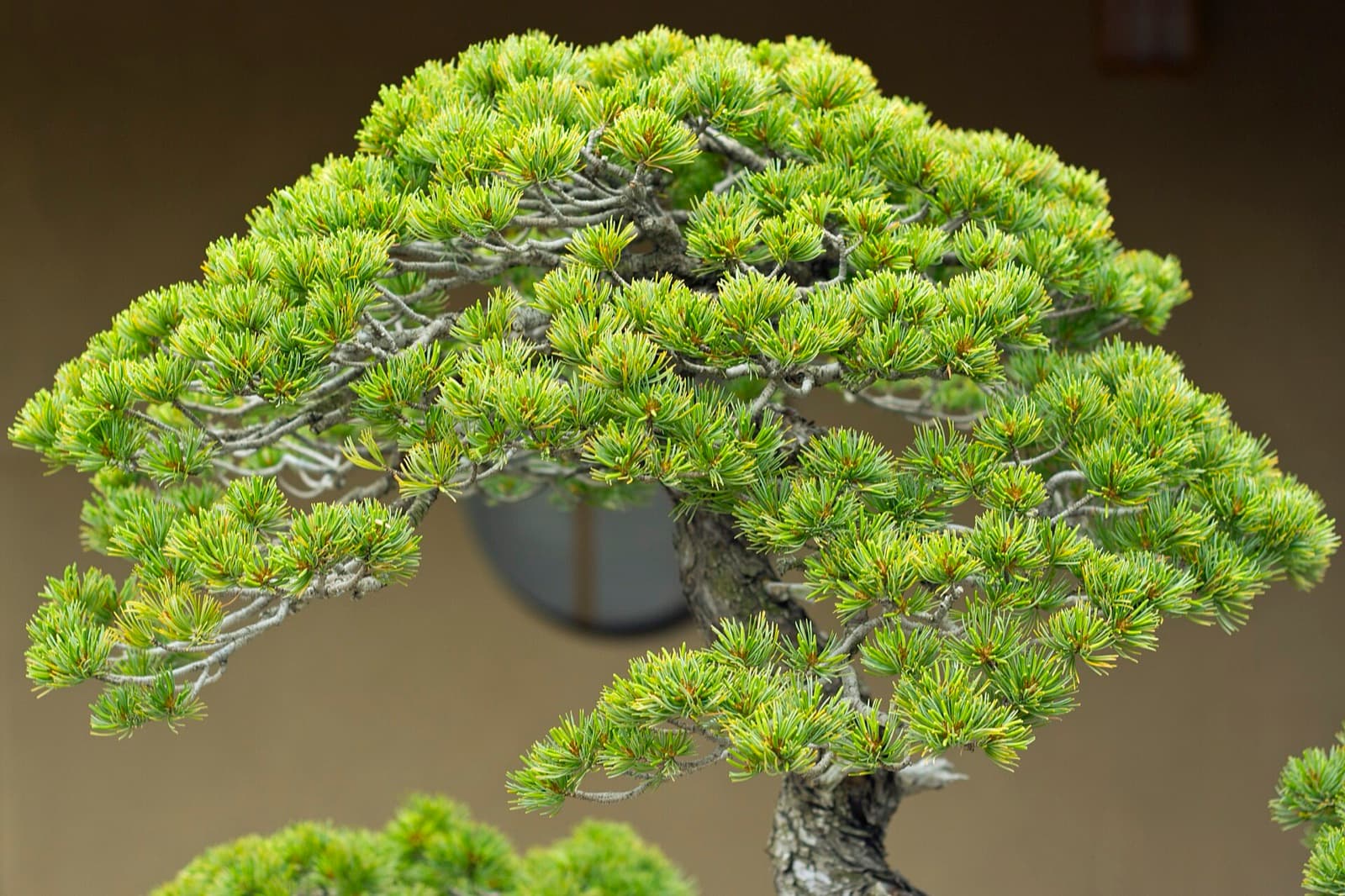
Bonsai looks small at first, but the practice asks the viewer to notice time at a different scale: years of shaping, seasons of growth, and a tree that suggests a landscape without becoming one.
What bonsai means beyond miniature trees
Bonsai is often mistaken for a type of plant, but the word refers to trees cultivated in containers and shaped over time. Pines, maples, junipers, and many other species can become bonsai. What connects them is not biology but practice: pruning roots and branches, guiding shape with wire, managing soil, and keeping the tree healthy in a very limited space.
The small size is only the starting point. A bonsai should suggest a much larger tree shaped by wind, slope, age, or weather. That suggestion is why the best examples feel expansive. The viewer is not only looking at a potted plant, but at a compressed landscape.
Why patience is part of the design
Bonsai cannot be rushed in the way a decorative object can be manufactured. A cut made today may matter years later. A branch that looks awkward this season might become essential after several cycles of growth. This slow feedback loop is one reason bonsai carries such strong associations with discipline and care.
The daily work is often modest: checking moisture, rotating the pot, trimming new growth, protecting the tree from heat or frost. None of those actions seems dramatic alone, but together they create a relationship between person and plant that is measured in years instead of minutes.
How bonsai is displayed in Japan
In formal display, bonsai is rarely treated as an isolated object. The pot, stand, empty space, and sometimes a small companion plant all affect how the tree is read. A tall, windswept pine asks for a different setting than a low, flowering tree. The display turns scale into atmosphere.
Season also matters. A maple in autumn color, a plum with early blossoms, or a pine that stays green in winter all communicate different moods. This seasonal attention connects bonsai to broader Japanese habits of noticing small changes in weather, plants, food, and festivals.
Why bonsai works as a learning hook
For Japanese learners, bonsai is useful because it links vocabulary to visible cultural behavior. Words around trees, seasons, size, patience, and care become easier to remember when they are attached to a practice people can picture clearly.
It also shows a pattern that appears across Japanese culture: restraint does not mean lack of expression. A small object can hold a large amount of attention when proportion, timing, and detail are handled carefully.