Ryokan in Japan: Why traditional inns change the rhythm of travel
A clear guide to ryokan stays in Japan, including tatami rooms, futon bedding, meals, bathing etiquette, and the slower pace of hospitality.
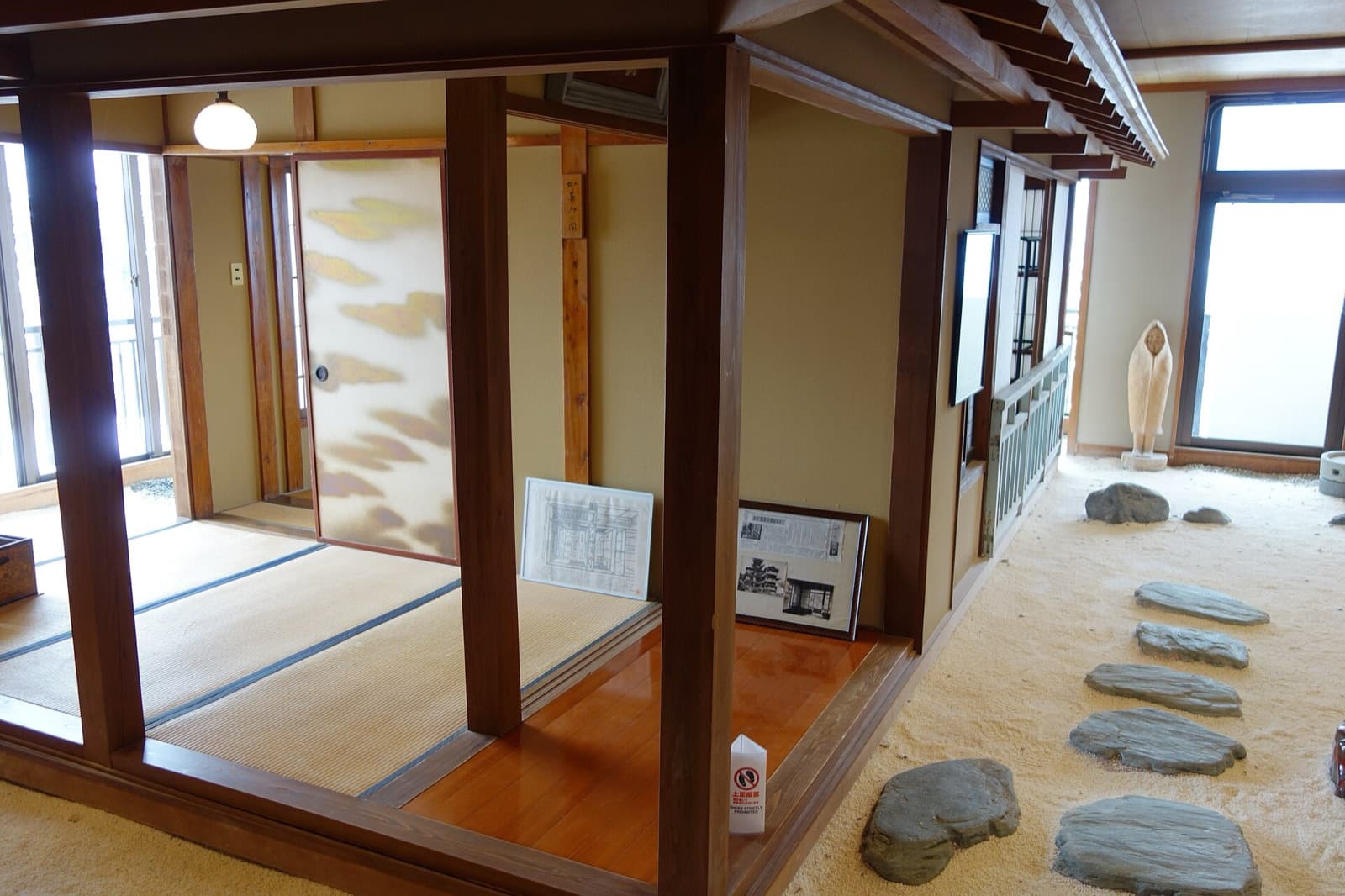
A ryokan is not just a hotel with Japanese decor. It changes the timing of a trip: shoes come off, the room shifts from sitting space to sleeping space, and hospitality arrives through sequence.
What makes a ryokan different from a hotel
A ryokan is a traditional Japanese inn, but the difference is not only visual. The experience is organized around sequence and care. Guests remove shoes, enter rooms with tatami flooring, change into yukata, bathe before dinner, eat seasonal food, and sleep on futon bedding that appears later in the evening.
A standard hotel room usually stays the same from arrival to checkout. A ryokan room changes. A low table and cushions define the space during the day, then staff may move the table aside and lay out futons after the meal. That transformation is central to the feeling of the stay.
Why meals matter so much
Many ryokan stays include dinner and breakfast, and the meal is often one of the main reasons to book. Kaiseki-style dinners present seasonal ingredients in multiple small courses, with local fish, vegetables, pickles, rice, soup, and sometimes regional specialties. The food tells guests where they are.
This matters because ryokan hospitality is not only about service politeness. It is about timing, locality, and making the guest notice the season. A spring stay and an autumn stay should not feel identical, even if the room layout is similar.
Bathing etiquette and the pace of arrival
If a ryokan has a shared bath or onsen, guests wash thoroughly before entering the water. The bath is for soaking, not cleaning. This distinction is one of the most important etiquette points for visitors, and it also shapes the pace of the evening. Bath first, then dinner, then rest.
That order slows travel down. Instead of dropping bags and rushing back outside, the guest is invited into a rhythm. Put on the yukata, learn where things are, bathe, eat, and let the room become quieter as night arrives.
Why ryokan stays are useful for culture learners
Ryokan stays compress many Japanese cultural details into one experience: genkan shoe removal, tatami behavior, seasonal meals, bathing order, set phrases of hospitality, and the difference between public and private space. That makes the keyword useful even for people who are not planning a trip yet.
For DarumaGo readers, the value is that language and behavior become connected. Words like tatami, yukata, futon, onsen, and kaiseki are easier to remember when they belong to a sequence of actions rather than to isolated flashcards.