What is tokonoma in Japan? Why the alcove matters more than its size
A simple guide to tokonoma in Japan, from hanging scrolls and flower arrangements to why one recessed alcove can set the tone of an entire room.
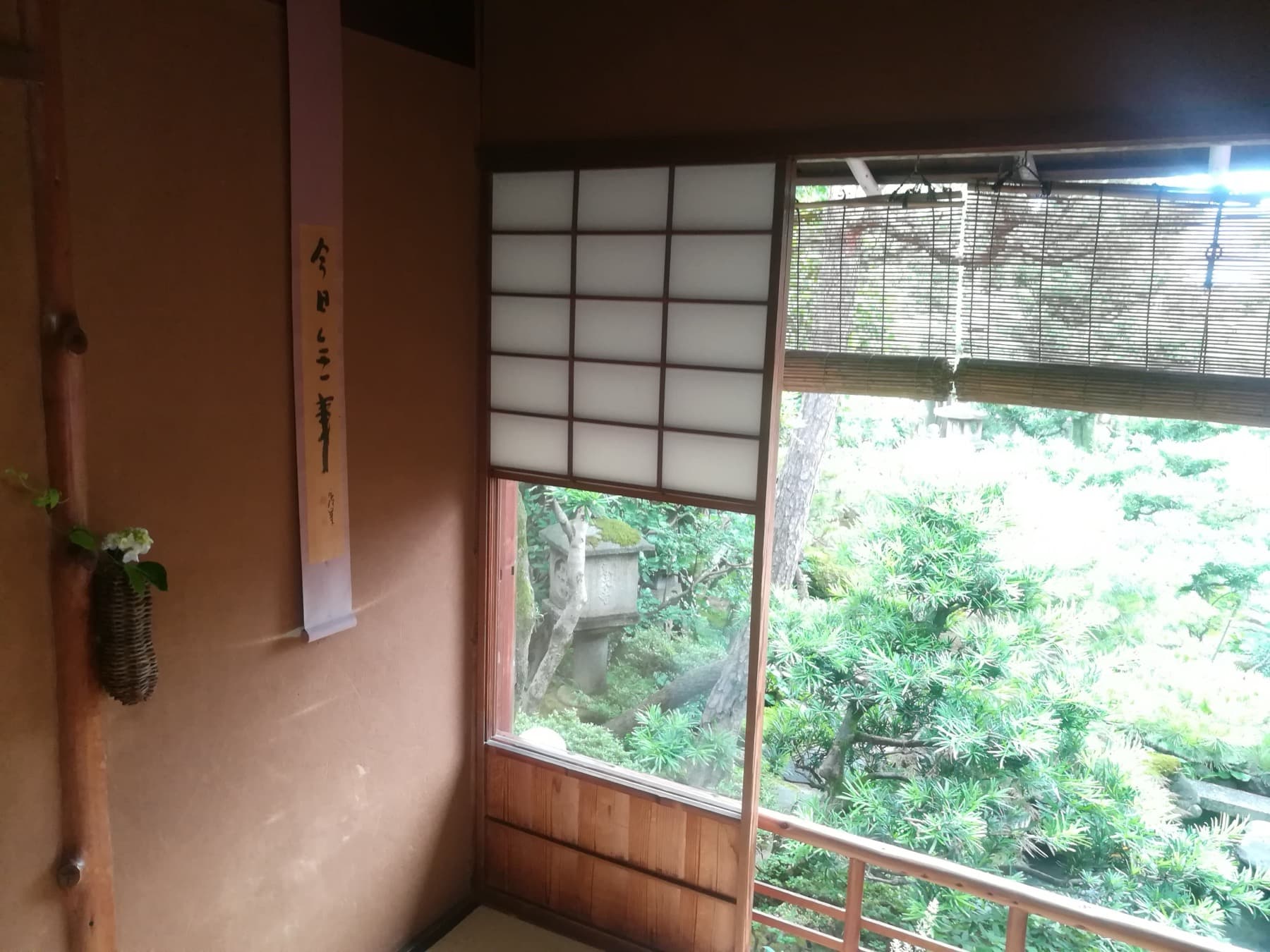
Tokonoma is one of those Japanese design features that looks modest but organizes everything around it. A small alcove for a scroll, flowers, or a seasonal object can quietly establish where attention should go and how the room should be read.
Why tokonoma is more than decoration
A tokonoma usually holds a hanging scroll, flowers, ceramics, or another carefully chosen object. None of these items are placed there casually. The point is not to fill the space, but to give the room one clear focal area that reflects season, mood, or hospitality.
That is why the alcove matters even when it is physically small. It changes the hierarchy of the room. Instead of every wall competing equally for attention, one zone becomes intentional and composed, and the rest of the room can stay quieter.
How tokonoma affects seating and etiquette
In more formal settings, tokonoma can shape where guests sit and how the room is approached. The side nearest the alcove has often been treated as the place of honor, because it faces the displayed object and the visual center of the room. Architecture and etiquette overlap there very directly.
That overlap helps explain why tokonoma feels different from a niche in a modern apartment. It is not only a design accent. It participates in hosting, respect, and the ordering of the room, even when nobody explains that system out loud.
What tokonoma reveals about Japanese interiors
Tokonoma shows how Japanese rooms often work through selective emphasis rather than abundance. Instead of decorating every surface, one element is given space to breathe. That makes emptiness part of the composition rather than a sign that something is missing.
For beginners, that is one of the clearest lessons in Japanese design. Meaning does not always come from adding more. Sometimes it comes from framing one thing carefully and letting the room support it. Tokonoma makes that principle visible with unusual clarity.