Tenugui in Japan: The simple cloth that does more than dry hands
A guide to tenugui, the thin Japanese cotton cloth used as towel, head covering, gift, souvenir, festival item, and everyday design object.
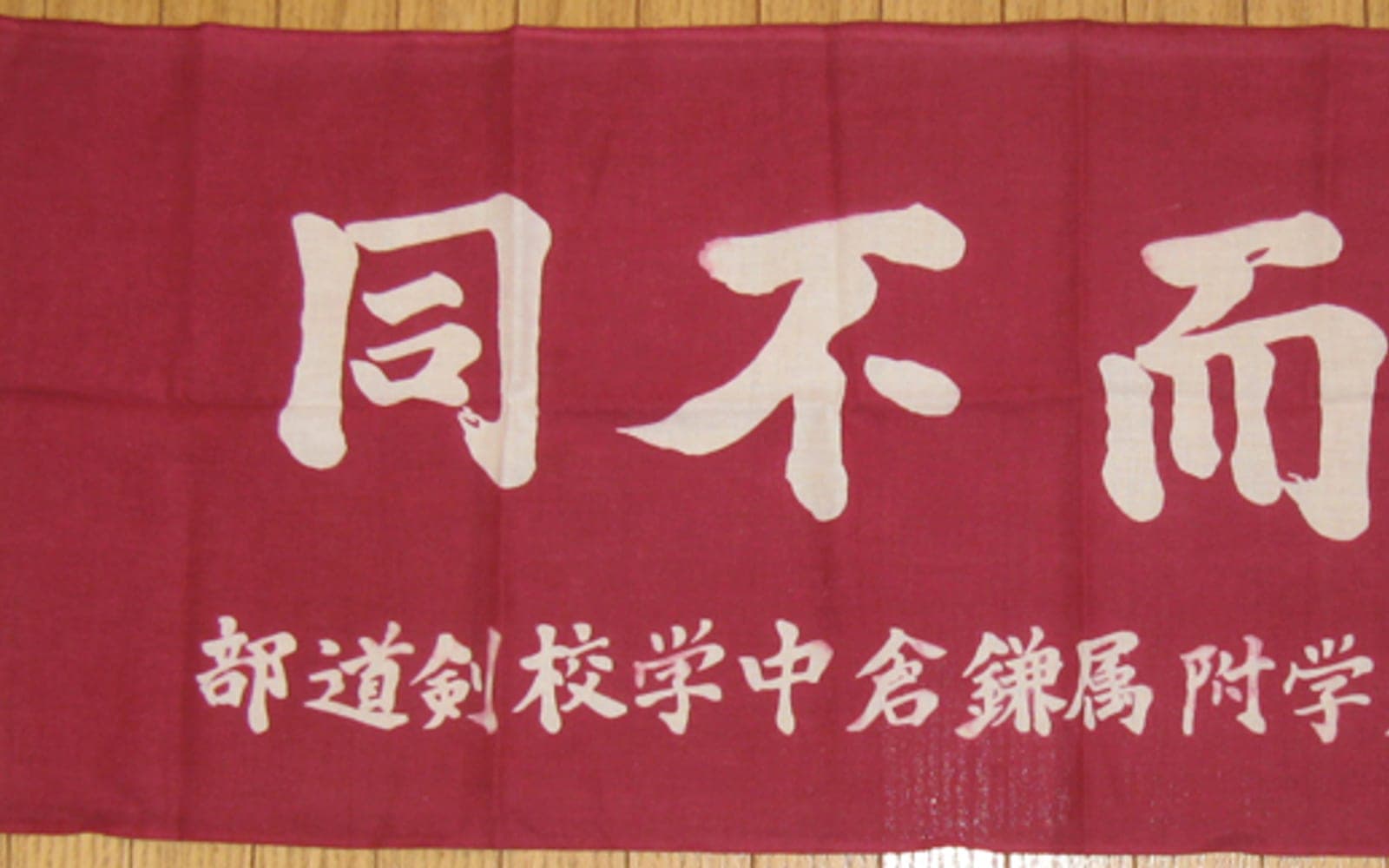
A tenugui looks almost too simple: a long, thin rectangle of cotton. That is exactly why it survives. It can be towel, wrap, head covering, decoration, and souvenir without changing shape.
Why tenugui are so flexible
A tenugui is a thin cotton cloth, usually rectangular and light enough to fold or tie easily. It can dry hands, cover the head, wrap a small item, hang as decoration, or sit inside a gift. The form is plain, but that plainness makes it useful.
Unlike a thick towel, a tenugui dries quickly and takes little space. That matters in baths, festivals, kitchens, martial arts practice, travel, and everyday errands. The object earns its place by staying adaptable.
Pattern as quiet communication
Many tenugui are printed with patterns: waves, animals, seasonal flowers, festival motifs, local designs, or shop marks. The cloth can be practical and expressive at the same time. A small pattern turns a utility item into something with place, season, or personality.
That is why tenugui work well as souvenirs. They are easy to carry, visibly Japanese without being oversized, and tied to craft traditions that value repeatable motifs. The gift is useful, but it also carries a small story.
Why learners should notice the cloth
For Japanese learners, tenugui help connect language to everyday objects. Words for cloth, drying, wrapping, bath culture, festivals, and seasonal patterns become easier to remember when they are attached to one flexible item.
The tenugui also shows a design principle that appears often in Japan: one simple form can support many situations. Instead of adding complexity, the object stays modest and lets context change its meaning.