Sampuru in Japan: Why restaurant food samples look so real
A practical guide to Japanese plastic food samples, the restaurant windows that use them, and why sampuru make eating out easier before you read a menu.
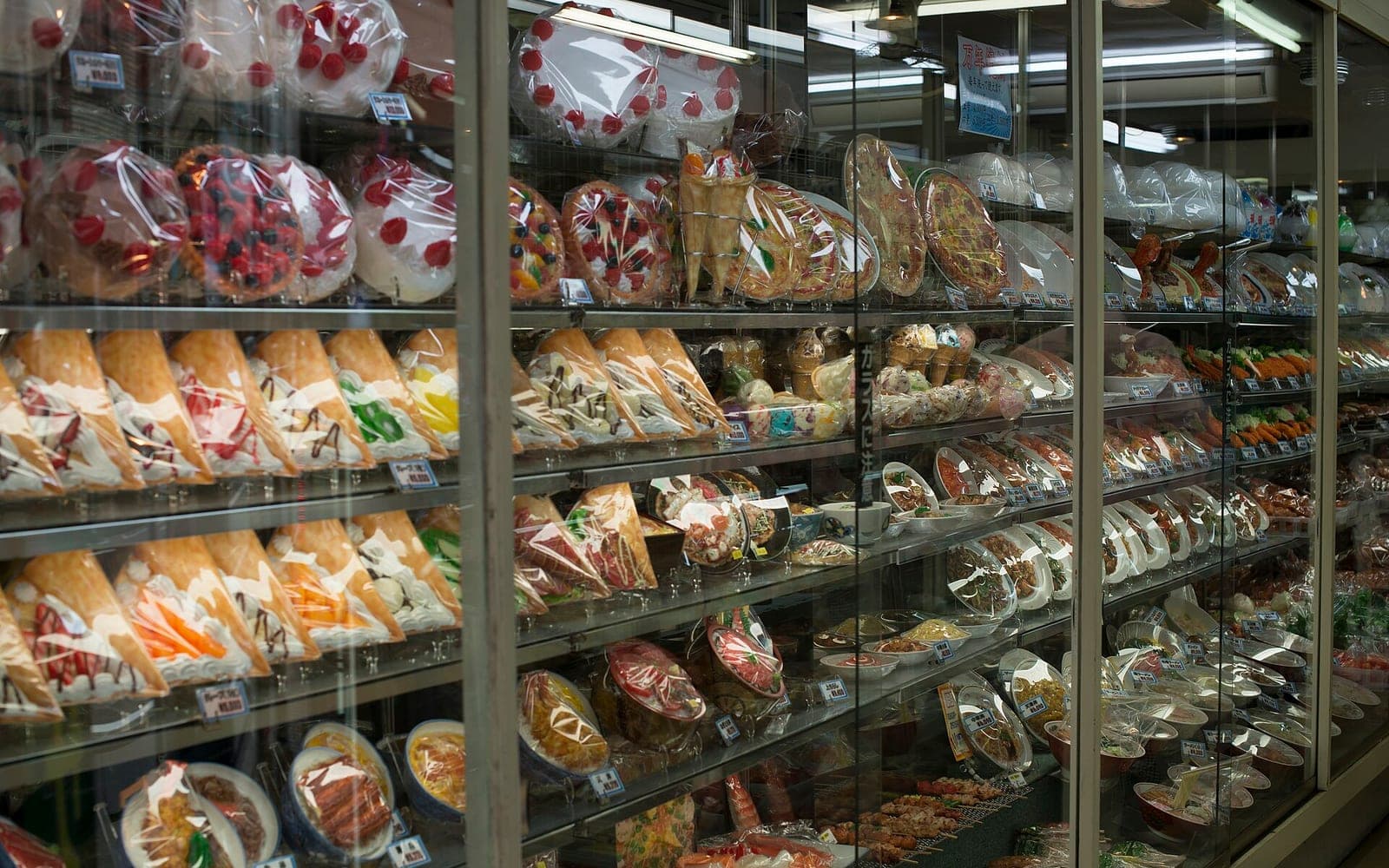
Sampuru, Japan's realistic plastic food samples, are easy to dismiss as decoration until you notice how much work they do. They turn a menu into something visual, practical, and almost instantly readable.
What sampuru actually do
Sampuru are the plastic food samples often displayed outside restaurants in Japan. They are usually modeled after real dishes and arranged so customers can understand portion size, ingredients, toppings, and style before entering. For a ramen shop, a curry restaurant, or a family diner, the display works like a menu you can scan from the street.
That visual clarity matters because restaurant decisions often happen quickly. You may be walking through a station, a department store floor, or a narrow shopping street with many options close together. A good sampuru display lets the customer compare dishes without slowing the flow of the entrance.
Why they became so recognizable
Japanese plastic food samples are memorable because they sit between craft and service design. The goal is not only to look impressive. The sample needs to communicate what the dish will feel like: glossy sauce, chilled noodles, crisp tempura, thick curry, or a carefully arranged dessert. The realism supports trust.
The craft also fits a broader pattern in Japanese commercial culture. Information is often made physical and visible: station signs, ticket machines, packaged meals, and shop displays all reduce uncertainty. Sampuru belong to that same world of practical legibility.
Why sampuru help Japanese learners
For learners, sampuru are useful because they connect vocabulary to something concrete. Words like ramen, soba, katsudon, omurice, tempura, curry, and parfait become easier to remember when the dish is visible before the word is fully familiar. The display creates a bridge between reading and recognition.
They also make eating out less intimidating. Even when you cannot read every kanji on a menu, you can point, compare, and notice patterns. That is why sampuru are more than a tourist curiosity. They are a small design system for making food culture easier to enter.