Hanko seals in Japan: Why a stamp can act like a signature
A beginner-friendly guide to hanko and inkan in Japan, how personal seals appear in paperwork, and what they reveal about trust and formality.
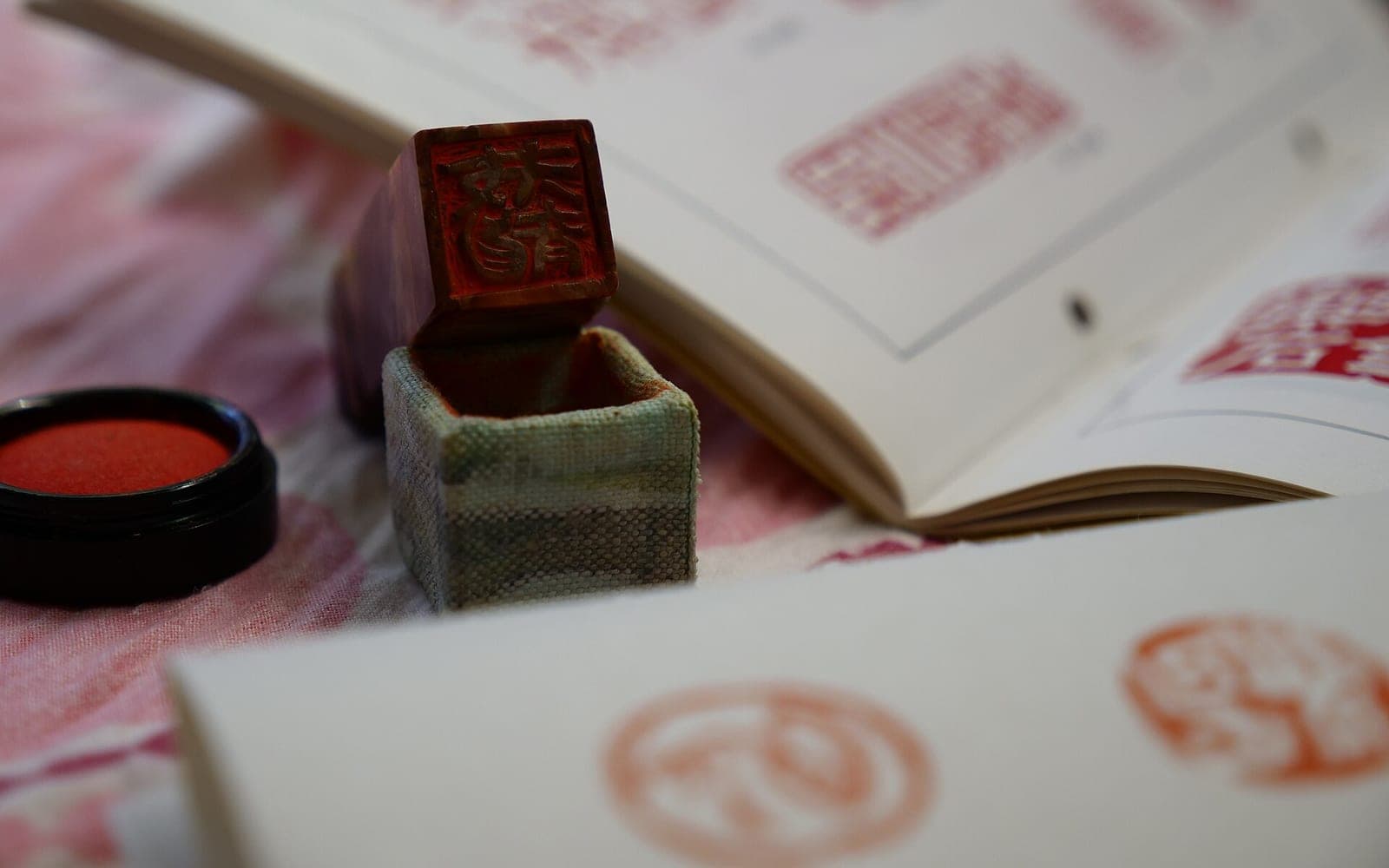
A hanko is small, but it carries a surprising amount of social weight. In Japan, a personal seal can make a document feel official in a way that a quick handwritten mark may not.
What hanko and inkan mean
In everyday English, people often use hanko to mean a Japanese personal seal. In Japanese, inkan can refer to the seal impression or the registered seal itself depending on context. The distinction can get technical, but the basic idea is simple: a carved stamp marks a document with a person's name or identity.
The stamp may be used for deliveries, workplace paperwork, banking, contracts, or official procedures. Not every situation requires the same level of seal. Casual approval, business use, and registered legal identity can involve different objects and different expectations.
Why a stamp feels official
A hanko works because it makes approval visible. The red mark is precise, repeatable, and tied to a named person or organization. On paper, that creates a strong sense of completion: the form has moved from draft or request into something acknowledged.
Japan has been digitizing many procedures, but the cultural memory of the stamp remains important. Even when a process moves online, the hanko helps explain why forms, confirmations, and procedural steps can feel so carefully staged.
Why learners should notice hanko
For Japanese learners, hanko are useful because they connect language to bureaucracy and daily life. Words around names, addresses, identity, approval, registration, and documents become easier to understand when you can imagine the object that often sits beside them.
They also reveal a broader pattern: formality in Japan is not only about polite words. It often appears in objects, order, and visible traces of responsibility. A small stamp can show how much a culture can encode into one repeated mark.