Tatami rooms in Japan: the social logic behind floor-level living
Tatami rooms are not only aesthetic. Their height, layout, and flexibility shape how people sit, host guests, and share space with less noise and clutter.
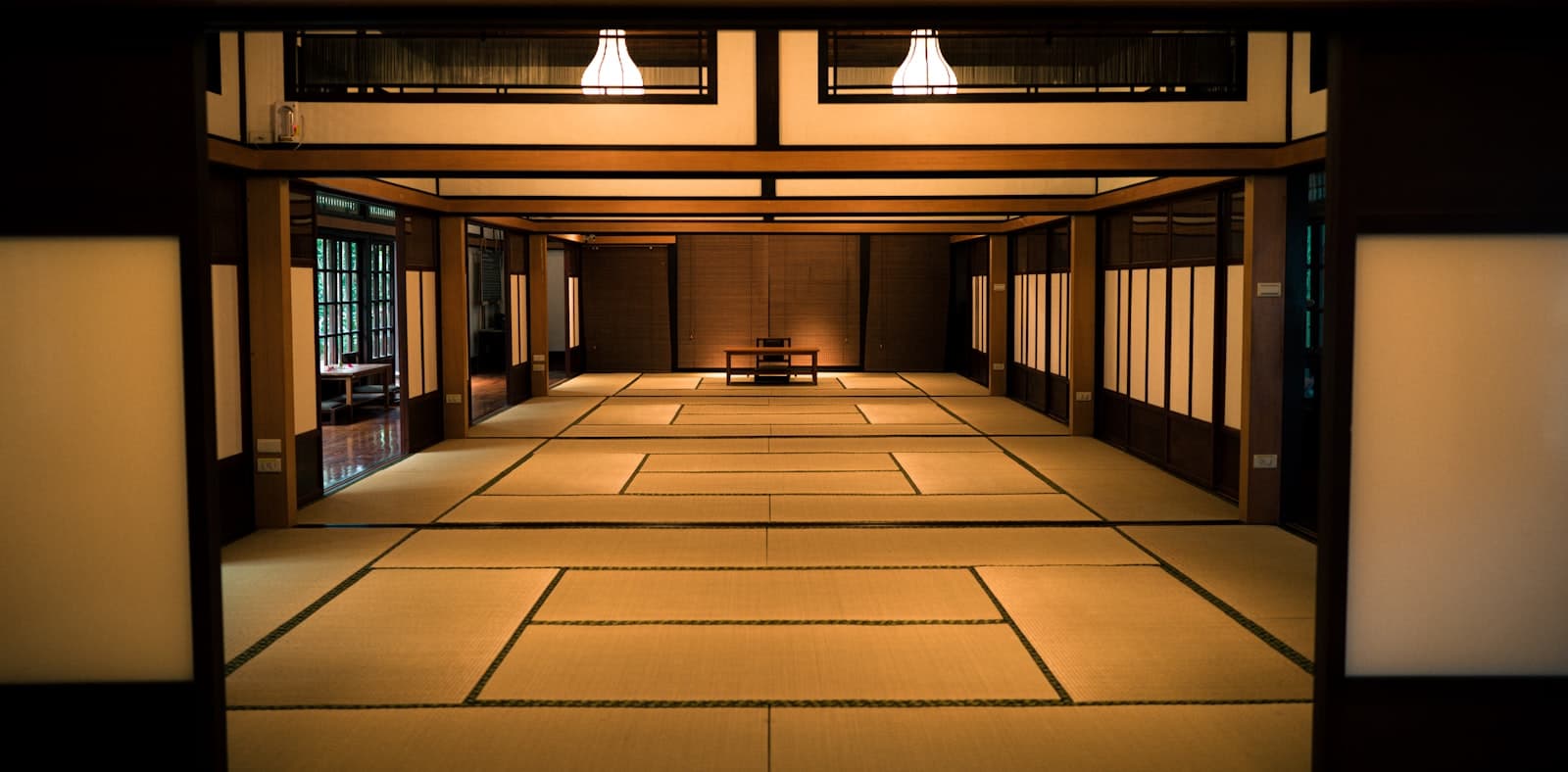
Tatami rooms look peaceful in photographs, but their deeper meaning is social. The low floor, removable bedding, and open center of the room guide how bodies move, how guests are received, and how activities change through the day.
Why tatami changes behavior as soon as you enter
A tatami room changes posture immediately. Shoes come off, the floor becomes part of the usable living surface, and the body is invited downward. That shift affects more than comfort. It changes the pace of movement, the way objects are placed, and how much empty space remains visible between people and furniture.
Because the room is not packed with high furniture, attention moves toward arrangement and relationship. Where someone sits, which side faces the tokonoma alcove, and how much open floor is preserved can all carry social meaning. The room is quiet partly because its structure encourages quieter behavior.
The social logic behind floor-level living
Tatami rooms help explain how flexibility and social order can live together. A single room can become a tea space, a conversation area, a guest room, or a sleeping room depending on the time of day. That flexibility only works because everyone shares a broad understanding of how to handle bedding, cushions, trays, and personal space within the same boundaries.
Hospitality is part of that logic too. The room can be arranged to make a guest feel centered without appearing showy. Subtle differences in seat placement, distance from the entrance, and proximity to decorative elements help communicate respect. The design supports etiquette without needing much verbal explanation.
What learners can take away
For learners, tatami rooms are useful because they connect interior design words to social behavior. Terms related to mats, low tables, sliding doors, cushions, bedding, and alcoves stop being decorative vocabulary once you picture how the room actually works. The design explains the language.
They also show that many Japanese spaces are built to support change rather than fixed function. That is a valuable cultural clue. When learners connect room layout to hosting, eating, resting, and cleaning, the scene becomes memorable and the vocabulary is far easier to keep.