Shukubō in Japan: what temple lodging teaches about quiet travel
A guide to shukubō temple lodging in Japan, including Buddhist meals, morning practice, tatami rooms, and the slower pace of a temple stay.
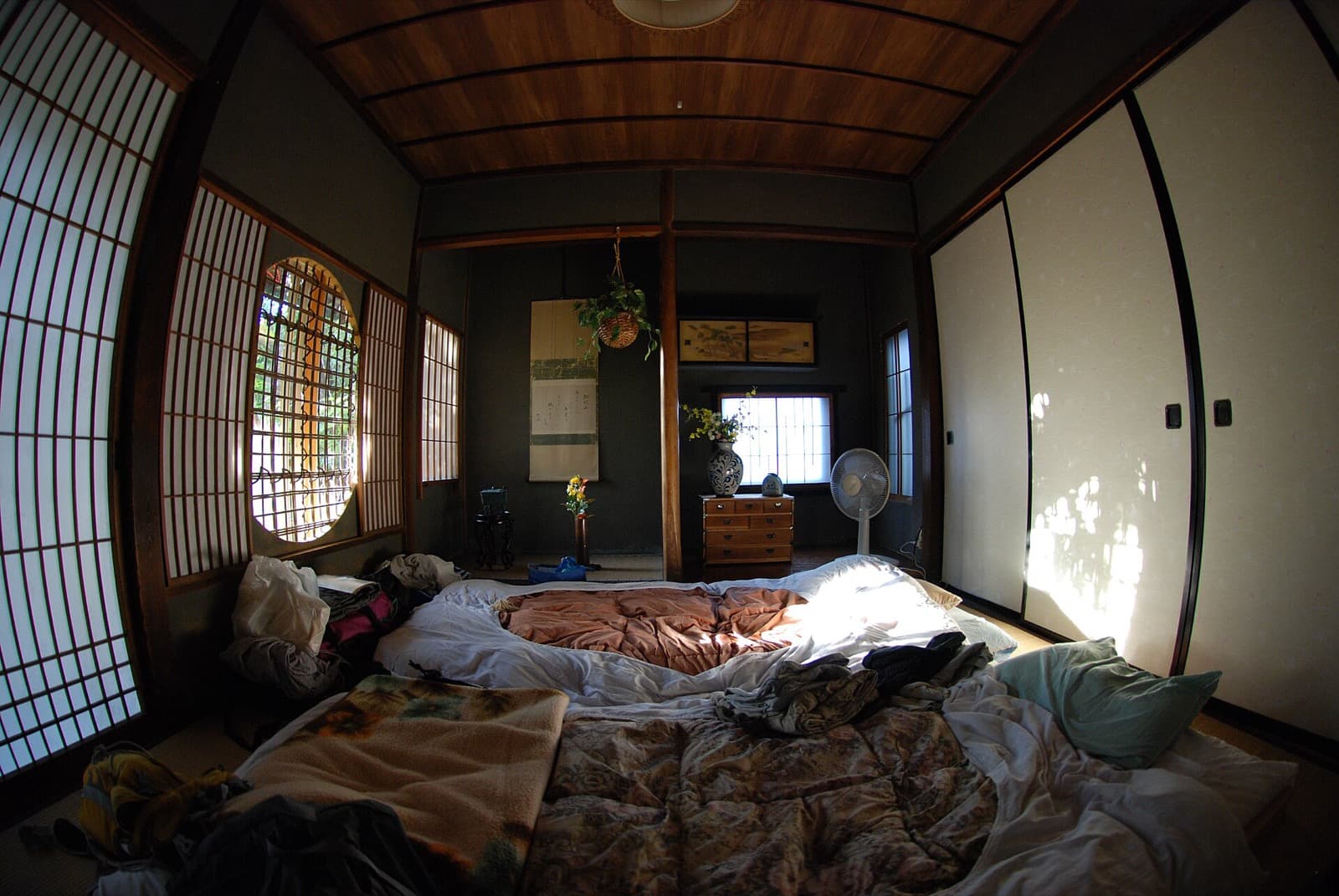
A shukubō stay changes travel by changing the clock. The day begins earlier, meals are quieter, and the room asks guests to move with more care.
What shukubō means
Shukubō are lodgings connected to Buddhist temples. Historically, they served pilgrims, but today many welcome travelers who want a quieter stay than a standard hotel. The experience is usually simple, structured, and closely tied to the temple environment.
A room may have tatami flooring, futon bedding, low tables, and few decorations. That simplicity is part of the point. The stay directs attention away from hotel convenience and toward place, routine, and the atmosphere of the temple grounds.
Food, morning practice, and rhythm
Many shukubō offer shojin ryori, Buddhist vegetarian cuisine shaped by temple practice. The meal is often seasonal, modest, and carefully arranged. It shows that restraint can still feel rich when texture, timing, and presentation are handled well.
Guests may also be invited to morning prayers, sutra chanting, meditation, or another temple routine. Participation rules vary, but the early schedule matters. It makes the stay feel less like a room rental and more like entering a different daily rhythm.
What visitors should understand before booking
Shukubō are not all the same. Some feel close to ryokan, while others are much more basic. Bathrooms may be shared, rooms may be quiet by design, and meals may follow set times. Checking expectations before arrival is part of respectful travel.
That respect also appears in small behaviors: removing shoes properly, keeping noise low, arriving on time for meals, and treating the temple as an active religious space rather than a theme hotel.
Why shukubō is a useful culture word
For Japanese learners, shukubō connects travel vocabulary with religious space, food culture, and etiquette. It also shows how a single word can carry both practical meaning and atmosphere.
The concept is useful even if you never book a stay. It helps explain a wider pattern in Japan: place changes behavior, and behavior becomes easier to understand when you know the rhythm expected by that place.