What is a capsule hotel in Japan? Why pod stays feel practical instead of strange
A clear guide to capsule hotels in Japan, how they work, and why the tiny sleeping pod became a practical urban lodging format.
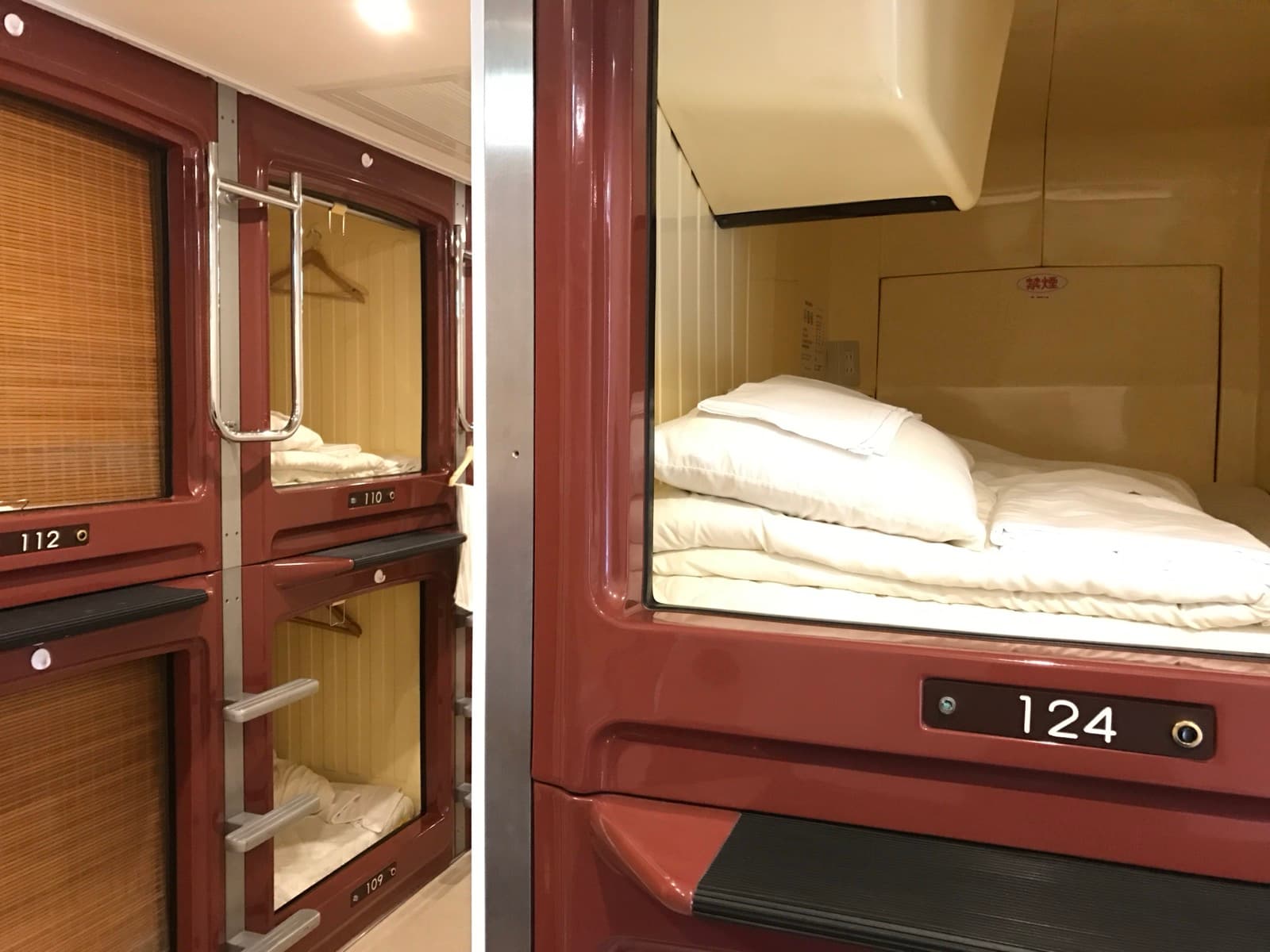
Capsule hotels in Japan often look futuristic from the outside, but the idea behind them is very practical. Instead of offering a full private room, the hotel reduces the sleeping space to what one person actually needs for a short stay and lets the rest of the service happen in shared areas.
Why capsule hotels make sense in Japan
The capsule hotel emerged in Japan because city life creates many short-term lodging needs: missed trains, business trips, overnight events, and travelers who want a central location without paying for a larger room. The format strips accommodation down to sleep, showering, storage, and shared facilities.
That reduction is what makes the concept feel rational instead of eccentric. The pod is small, but it is not random. It reflects an effort to organize space around actual use rather than the expectation that every guest needs a conventional room.
What the stay usually feels like
A capsule hotel stay tends to be more orderly than the name suggests. Guests usually keep shoes and luggage in separate areas, use shared washrooms and lounges, and treat the sleeping pod as a quiet zone reserved for rest. The rhythm is closer to a well-managed system than to a novelty experience.
That is why many people remember the stay as efficient rather than claustrophobic. The hotel succeeds when circulation is clear, the rules are readable, and the pod feels like one precise part of a bigger structure.
What capsule hotels reveal about Japanese design logic
Capsule hotels are useful for understanding Japan because they show a familiar design instinct: identify the core function, compress it carefully, and support it with shared systems that stay legible. The result can look unusual, but the logic behind it is straightforward.
For learners, the topic is rich because it connects travel vocabulary, urban routine, storage habits, and the Japanese approach to organizing limited space. The word capsule hotel quickly opens into a broader way of reading modern city life.