What is a shotengai in Japan? Why local shopping streets still shape neighborhood life
What a shotengai in Japan actually is, why it feels different from a mall, and how these covered streets preserve a slower layer of city life.
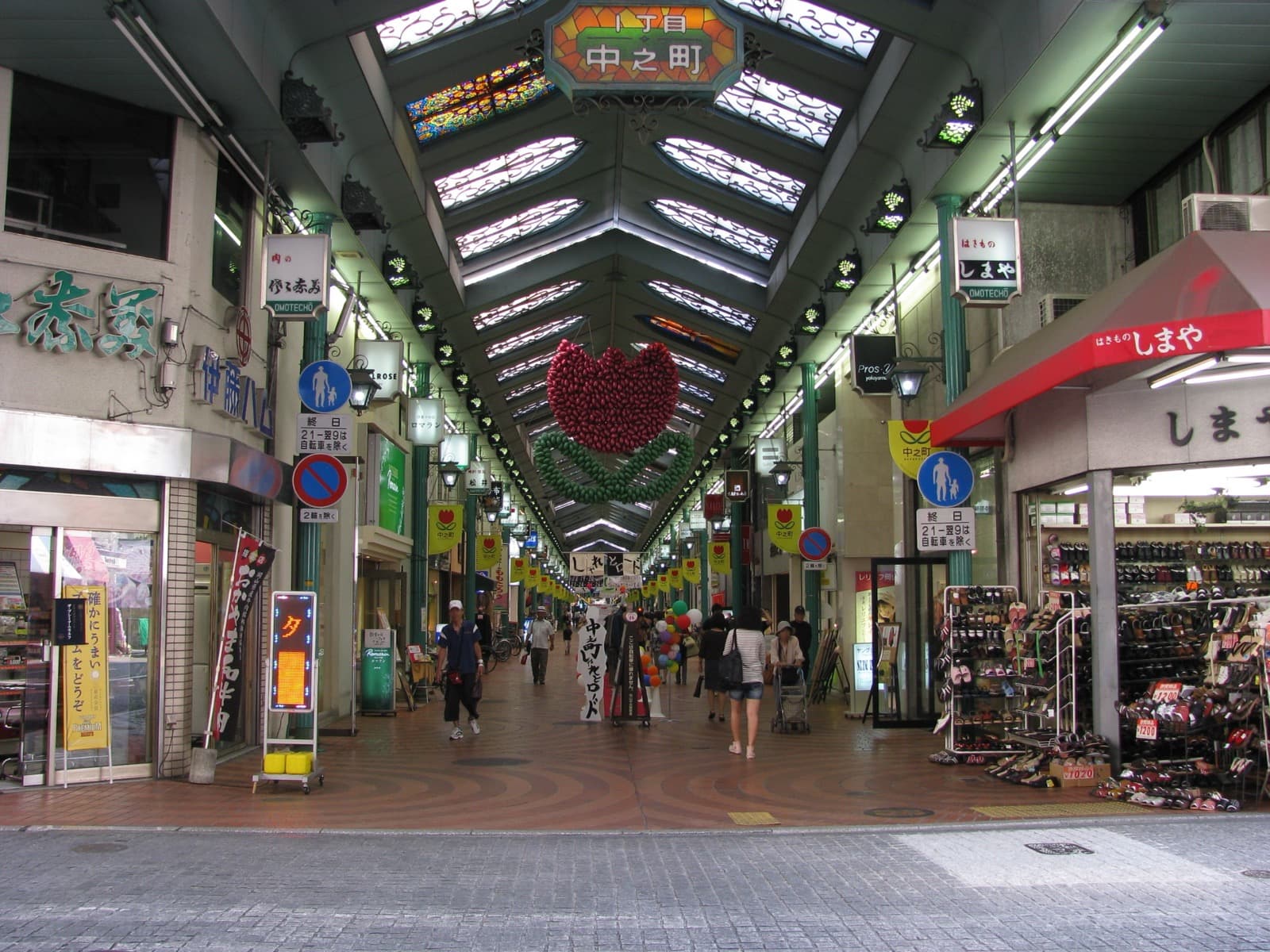
A shotengai in Japan is easy to miss if you are looking only for famous landmarks. It may look like an ordinary covered street lined with small shops, but once you walk through one you notice a different tempo: older storefronts beside newer chains, practical errands beside casual conversation, and a sense that the street is serving the neighborhood before it serves the visitor.
Why a shotengai feels different from a mall
A shotengai is usually a shopping street, often partially or fully covered, with many independent stores and everyday services gathered in one pedestrian-friendly stretch. Unlike a mall, it does not fully separate itself from the neighborhood around it. People pass through on the way home, stop for groceries, buy household items, pick up snacks, and continue with the day.
That connection to movement matters. A mall often asks you to enter a commercial environment on purpose. A shotengai is closer to an extension of the street itself. It is commercial, but it still feels embedded in ordinary life.
Why these streets still matter in modern Japan
Some shotengai struggle with aging populations, suburban retail, and chain competition, but many remain important because they solve a basic urban need: compact convenience. In a relatively short walk, residents can handle multiple small tasks without the scale or impersonality of a big-box environment.
They also preserve neighborhood identity. Signage, local specialties, seasonal decorations, and long-running family businesses give each shotengai a different texture. Even when chain stores appear, the street often keeps a local memory that a standardized retail zone cannot reproduce.
What a shotengai teaches you about Japanese city rhythm
Shotengai show that Japanese urban life is not only about giant stations and dense skylines. It also depends on fine-grained systems that make the city livable block by block. The appeal is not spectacle. It is repetition, familiarity, and the ease of solving everyday needs close to home.
For language learners, shotengai are especially useful because they concentrate ordinary Japanese in one place: handwritten signs, neighborhood announcements, food names, discount language, and the polite but practical register of daily commerce. They are less theatrical than tourist districts and often more revealing.