What is shoji in Japan? How sliding paper doors shape light and space
A simple guide to shoji in Japan, from soft light and flexible rooms to the quieter sense of privacy they create.
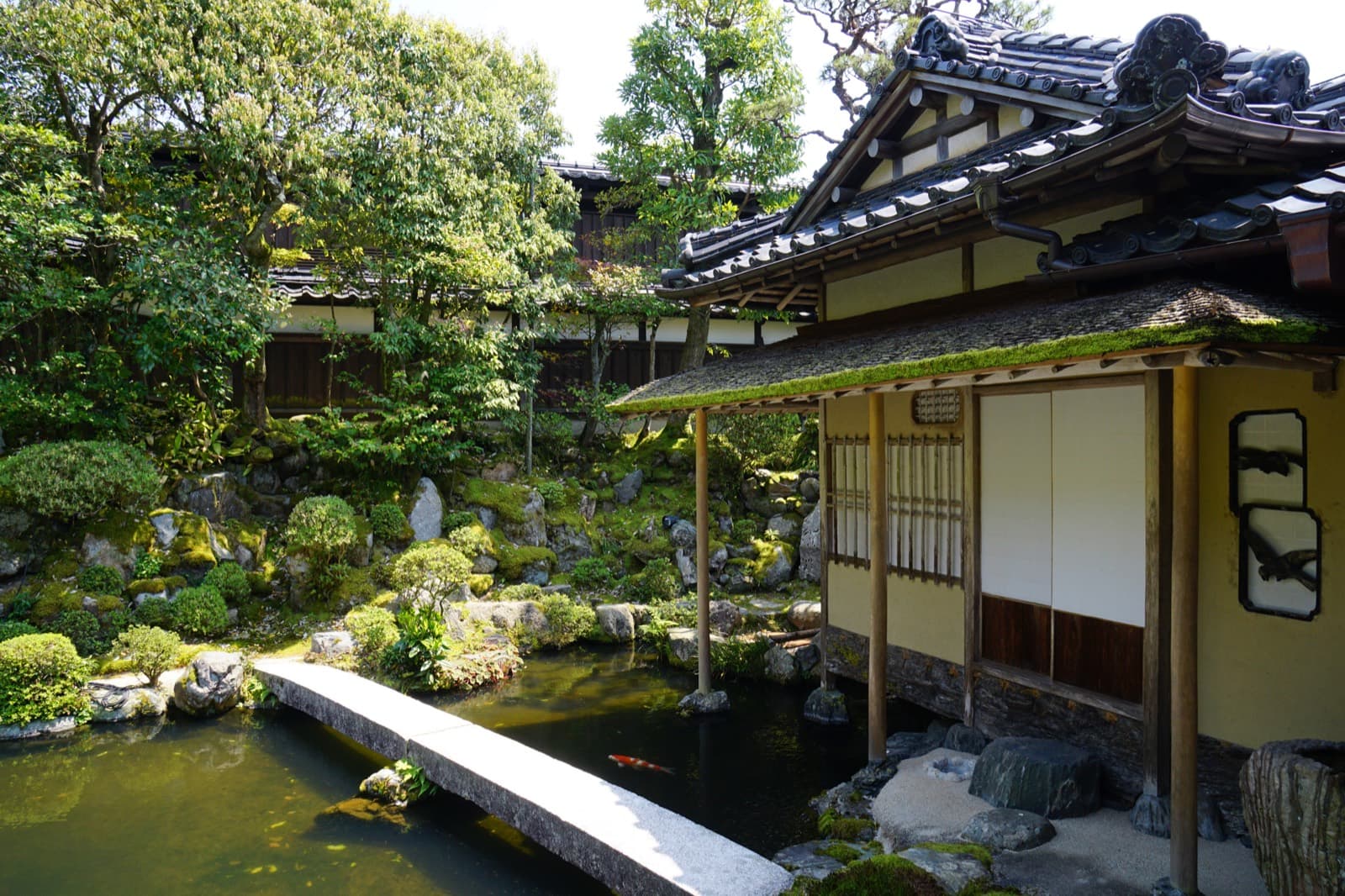
Shoji are easy to describe and harder to replace. A wooden frame covered with translucent paper sounds minimal, but that combination changes how a room feels by filtering light, softening boundaries, and making privacy feel lighter than a solid wall would.
Why shoji change the mood of a room
Shoji work by diffusing light instead of blocking it outright. Sunlight enters as a glow rather than a hard beam, which makes the whole room feel softer. That is one reason traditional interiors in Japan can feel bright without looking exposed.
The visual effect matters as much as the function. A room divided by shoji keeps a sense of separation, but the boundary never feels absolute. You remain aware of the space beyond the screen, even when you cannot see it clearly.
Flexible space instead of fixed rooms
Because shoji slide, a room can expand or contract depending on what the household needs. Spaces for sleeping, receiving guests, or everyday sitting do not always need thick permanent walls between them. The house can shift with the rhythm of the day.
That flexibility connects with other parts of Japanese design, especially tatami rooms, low furniture, and careful storage. The architecture assumes that a room may serve several purposes rather than one fixed identity.
Why shoji still matter beyond tradition
Many visitors remember shoji because they make privacy feel gentle instead of defensive. That difference is subtle but important. The room does not announce itself with weight or decoration. It feels composed through restraint, filtered light, and an awareness of proportion.
For that reason, shoji remain one of the clearest examples of Japanese design values being easy to see in everyday life. They show how calm can be built through materials and movement, not only through ornaments or large visual statements.