Sento in Japan: How public baths differ from onsen and why they still matter
What a sento is, how bath etiquette usually works, and why neighborhood public baths still reveal a lot about daily life in Japan.
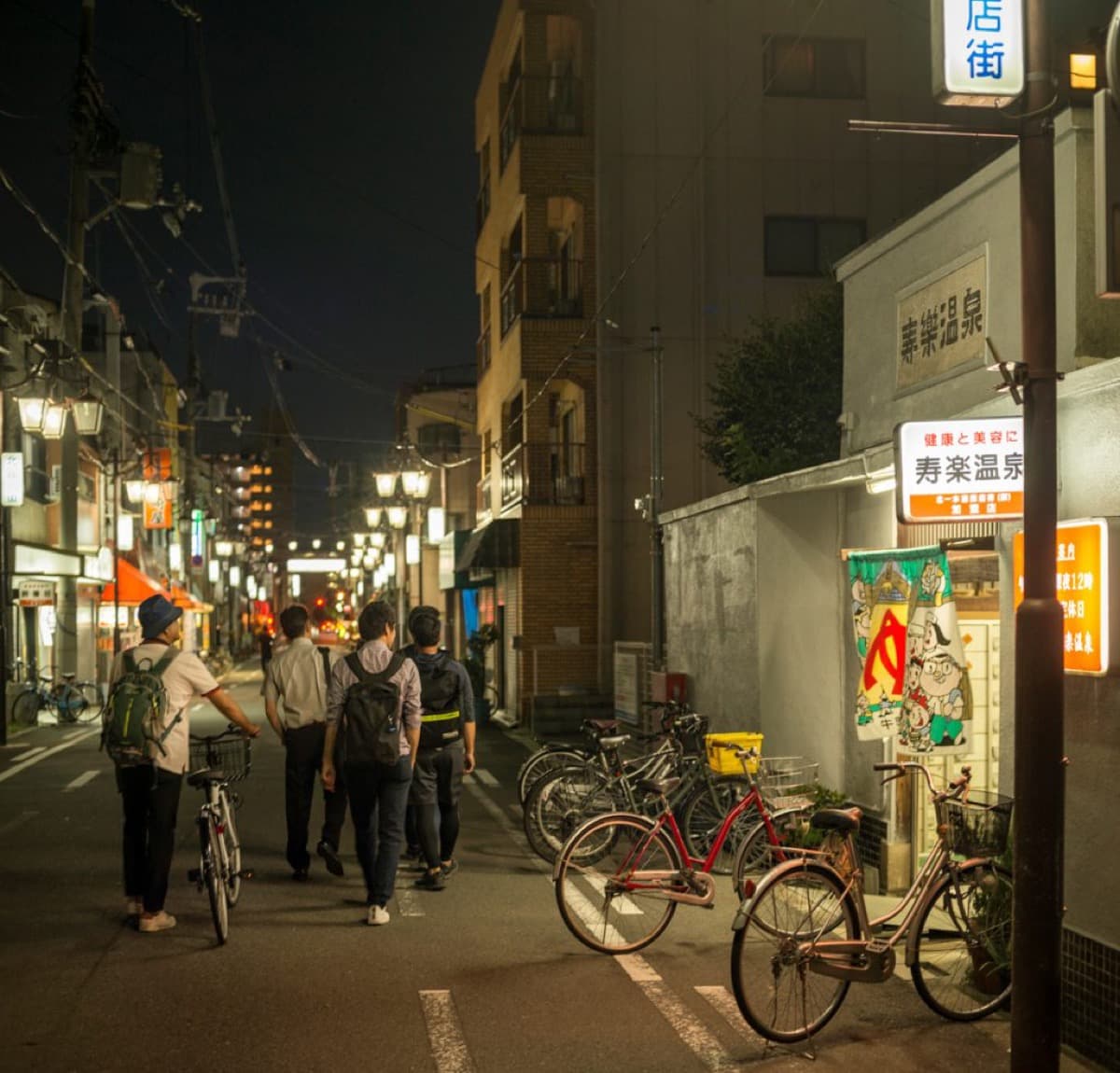
A sento in Japan is easy to misunderstand if you only compare it to an onsen. The sento is less about travel and scenery and more about neighborhood routine, shared rules, and the idea that bathing can still belong to ordinary life.
Why sento and onsen are not the same thing
People often use public bath and hot spring as if they were interchangeable, but the distinction matters. An onsen is defined by mineral-rich geothermal water. A sento is a public bathhouse that serves the neighborhood, whether the water comes from a hot spring source or not. The experience can overlap, yet the social meaning is different.
That difference changes expectations. An onsen is often tied to travel, scenery, and retreat. A sento feels more embedded in normal life. It belongs to the logic of the street, the local customer base, and the repeated habits of people who come back again and again.
How the routine usually works
A sento in Japan follows a sequence that quickly becomes memorable: enter, pay, store clothes, wash thoroughly before entering the bath, and keep the bathing area calm and shared. These rules are not decorative. They protect the whole system by keeping the bath clean and the room comfortable for everyone else.
Once that is understood, the etiquette feels less intimidating. The sento is a place where privacy is reduced but predictability increases. Everyone knows the order of actions, and that shared order is what allows the space to feel relaxed.
Why sento still matter in daily life
Even for people with bathrooms at home, sento continue to carry a particular appeal. The baths are larger, the transition out of the day feels clearer, and the space creates a pause that private routine does not always provide. The value is not only practical. It is atmospheric.
That is why sento are useful for understanding Japan beyond tourism. They show how an everyday service can preserve ritual, neighborhood identity, and quiet mutual awareness without becoming formal or ceremonial.