Japan school lunch culture: Why the meal is treated like part of the lesson
What Japanese school lunch says about routine, responsibility, and group life, and why the meal is often remembered as more than just food.
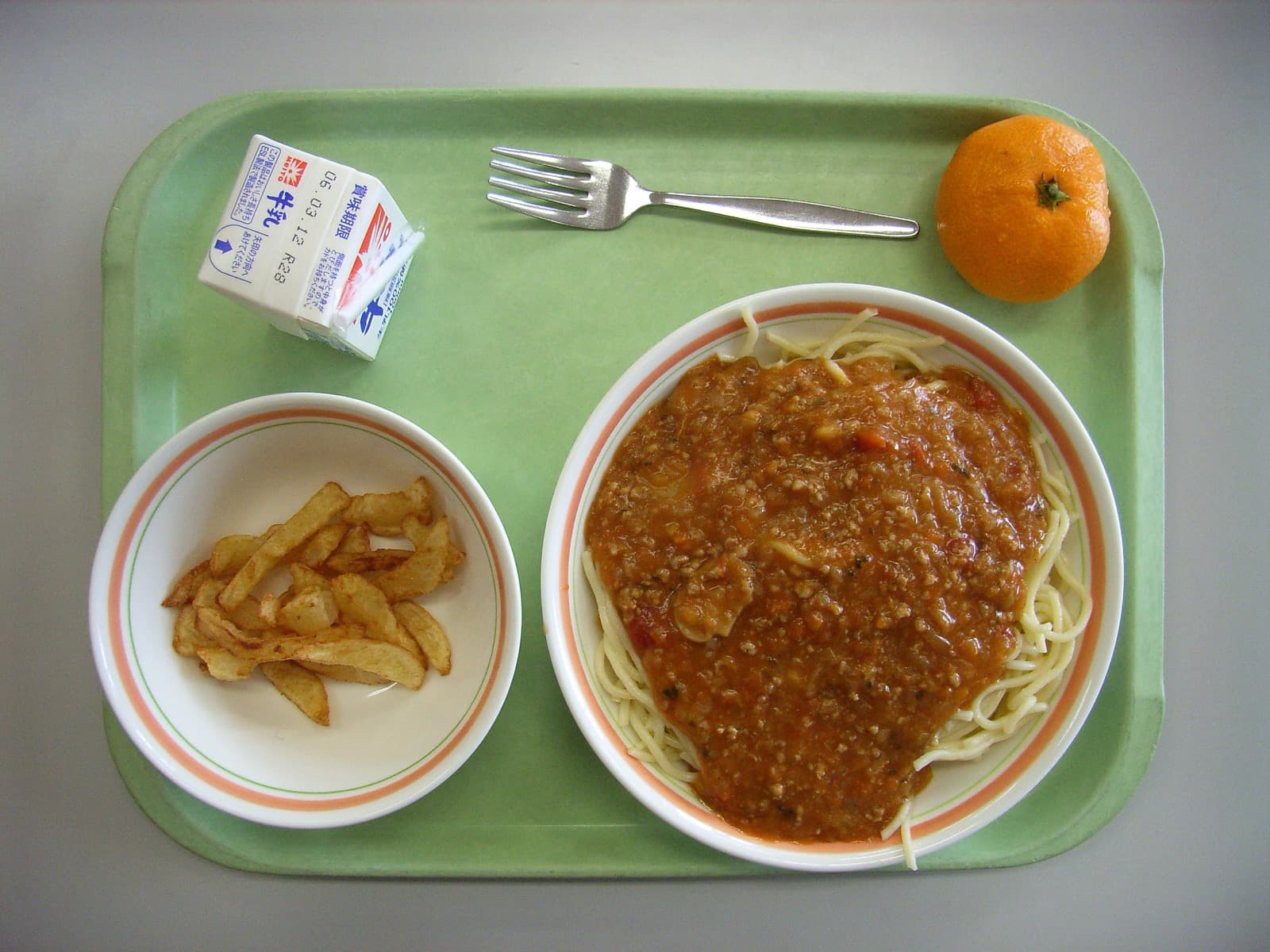
Japan school lunch culture is interesting because the meal is not isolated from education. In many schools, lunch is organized as part of the daily structure, with students participating in serving, cleaning, and keeping the routine moving. The food matters, but the system around the food matters too.
Why lunch is built into the school day so deliberately
A Japanese school lunch is usually discussed in terms of nutrition, but the structure around it is just as important. The meal arrives on time, follows a routine, and belongs to the same daily rhythm as classes, announcements, and cleaning. That consistency makes lunch feel like part of the institution rather than a pause from it.
This is one reason school lunch in Japan stays so visible in cultural discussions. People remember not only what they ate, but also how the whole room changed during that period: desks shifting, trays appearing, roles being assigned, and the class temporarily reorganizing itself around a shared task.
Serving the meal is part of the lesson
In many schools, students help carry containers, portion food, and distribute trays to classmates. That detail matters because it turns lunch into a visible exercise in responsibility. Everyone depends on the system working, and the system works because the class cooperates without treating each step like a special event.
The result is subtle but powerful. Lunch stops being something that simply appears. It becomes a repeated demonstration of how Japanese group life often functions: ordinary tasks are shared, roles rotate, and discipline is learned through doing rather than through speeches.
What school lunch reveals about everyday Japan
School lunch culture also helps explain why routine carries so much weight in Japan. The menu may change, but the framework around it stays stable. That makes the meal memorable as a social experience, not just a nutritional one. Children learn timing, order, care for common space, and attention to others while doing something as ordinary as eating.
For learners, this is useful context because it connects vocabulary with behavior. Words related to lunch, serving, cleaning, and classroom life are not separate facts. They belong to a system that teaches how daily order is built and maintained together.