Japan coin lockers guide: Why station lockers feel like part of the transport system
How coin lockers in Japan work, why people rely on them so easily, and what they reveal about convenience in stations and cities.
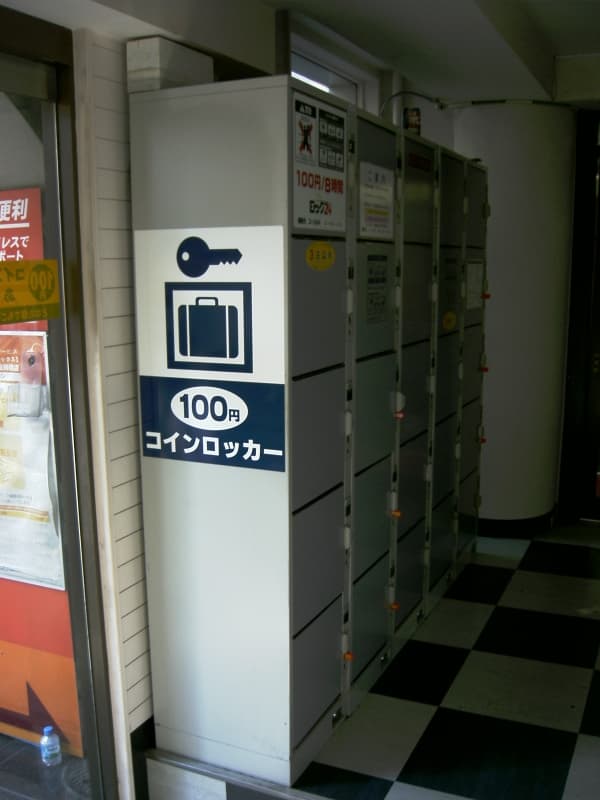
A Japan coin lockers guide is really a guide to frictionless movement. These lockers matter because they let people keep traveling, shopping, and meeting others without dragging luggage through every stage of the day.
Why coin lockers feel so natural in Japan
Coin lockers in Japan are easy to notice because they sit exactly where they solve a real problem: stations, transfer hubs, shopping areas, and other places where people need to keep moving. Their usefulness is immediate. You can arrive early, leave a bag, and recover the rest of the day instead of organizing everything around luggage.
That convenience is part of why the lockers feel less like an extra service and more like part of the travel infrastructure itself. They support short urban detours, side trips, and errands in a way that keeps the whole network feeling flexible.
How the system usually works
The basic logic is simple: choose a locker size, pay, store belongings, and keep the key or code until you return. Some stations still have older coin-operated units, while others use touchscreens or transport card payment. The details can vary, but the experience stays legible because the interface is built around quick decisions.
That matters more than it may seem. Good locker design reduces hesitation. People can scan the sizes, understand availability, and continue moving. The result is not only storage. It is preserved momentum.
What lockers reveal about daily life
A Japan coin lockers guide is useful because it points to something larger than travel tips. The lockers reflect a broader preference for systems that are quiet, dependable, and easy to trust. They do not need much explanation once the pattern is familiar, and that is exactly why they become part of the background of city life.
For learners, they also attach vocabulary to a vivid setting: stations, tickets, bags, sizes, keys, and timing. Once the locker is remembered as a scene rather than an abstract noun, the language tends to stick much more easily.