Kissaten in Japan: Why old-school coffee shops still matter
What a kissaten is, how it differs from a modern cafe, and why these quiet coffee shops still shape the feel of everyday Japan.
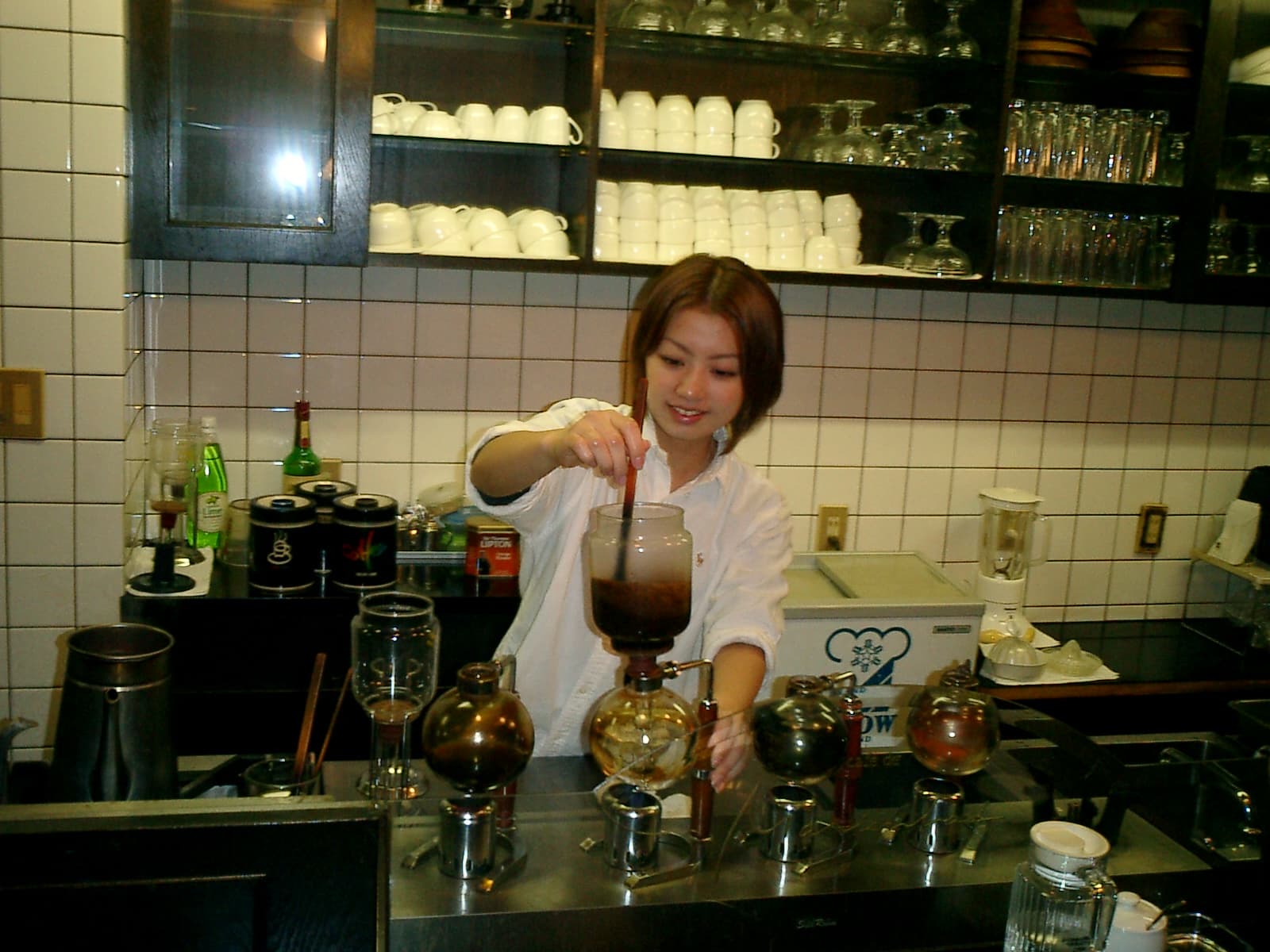
A kissaten in Japan is not just a place to get coffee. It is a slower kind of room, built around routine, conversation, and the idea that atmosphere matters as much as the drink itself.
What makes a kissaten different from a cafe chain
The easiest way to understand a kissaten is to stop comparing it only by menu. Yes, coffee matters, and so do toast sets, sandwiches, and desserts, but the bigger difference is the room itself. A kissaten often feels quieter, older, and more personal than a fast-moving chain. The point is not speed. The point is staying a while.
That atmosphere changes expectations. You sit down, look around, and notice details that would feel almost old-fashioned elsewhere: heavy cups, deeper chairs, darker wood, jazz, newspapers, and a counter that suggests regulars know exactly when to come in. The space feels lived in rather than optimized.
Why the routine matters so much
For many people, a kissaten is tied to a repeated hour of the day. Morning coffee before work, a quiet lunch, a pause between errands, or a place to read alone. That rhythm is one reason these shops still matter. They are not only businesses. They act as reliable pauses inside dense city schedules.
In that sense, a kissaten reveals something important about daily life in Japan. Convenience is valued, but so is predictability with character. A room can be calm without being empty, and familiar without becoming dull. The appeal comes from knowing what kind of mood awaits you when you open the door.
Why learners remember the word so easily
Kissaten is one of those Japanese words that becomes easy to remember once you connect it to a real setting. Instead of learning abstract vocabulary, you attach the term to furniture, smell, sound, and behavior. That is also why the topic works well for beginners interested in culture as well as language.
Once you know what a kissaten is in Japan, many small observations become clearer. Why some menus still look retro, why service can feel formal but warm, and why certain coffee shops attract loyal regulars even in neighborhoods full of newer options. The word starts to describe a social rhythm, not only a place.