Japan bento guide: Why a boxed meal says so much about daily life
How bento balances portion, color, practicality, and routine in a way that reveals everyday Japanese priorities.
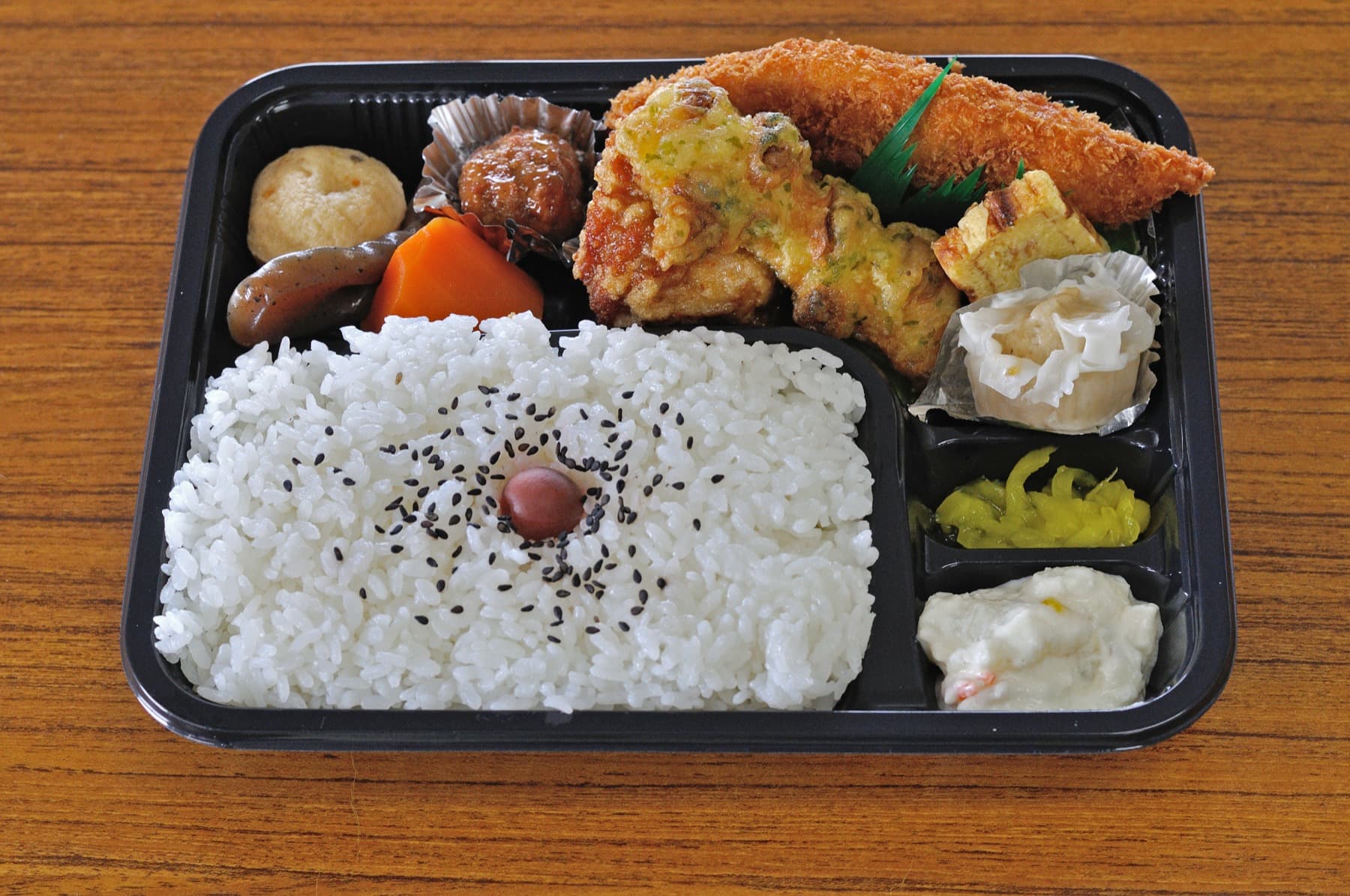
A Japan bento guide is not only about food. A bento shows how convenience, presentation, and portion control can work together without feeling rushed or disposable.
Why bento feels so intentional
A bento is a boxed meal, but the box is part of the idea. Rice, protein, vegetables, pickles, and small side dishes are arranged so the meal feels complete without becoming messy. The structure supports portability, but it also creates a sense of order that many people immediately associate with Japanese food culture.
That does not mean every bento is elaborate. Some are homemade, some are bought at stations or convenience stores, and some are quite simple. What stays consistent is the logic of compact balance.
What bento reveals about routine and convenience
A useful Japan bento guide should pay attention to where bento actually appears: school lunches, work lunches, train travel, department stores, and quick meals that still need to feel satisfying. Bento solves a practical problem very well. It makes portioning, transport, and cleanup easier while keeping the meal visually readable.
That combination explains why bento matters beyond aesthetics. In Japan, convenience often improves life when it feels orderly and dependable, not when it feels oversized. Bento fits that pattern almost perfectly.
Why bento is such a strong learning hook
For learners, bento creates an easy entry into food vocabulary because the meal is naturally segmented. Rice, tamagoyaki, karaage, pickles, fish, vegetables, and seasoning all sit in visible relation to one another. The meal becomes a map of words rather than a blur of ingredients.
It also helps explain a broader Japanese preference for small, well-defined parts that work together. Once that pattern becomes visible in food, it becomes easier to notice the same logic in packaging, seasonal meals, convenience stores, and everyday design.