Regional dialects in Japan: why Japanese changes from Kansai to Kyushu
A beginner-friendly look at Japanese regional dialects, standard Japanese, Kansai-ben, local identity, and what learners should notice first.
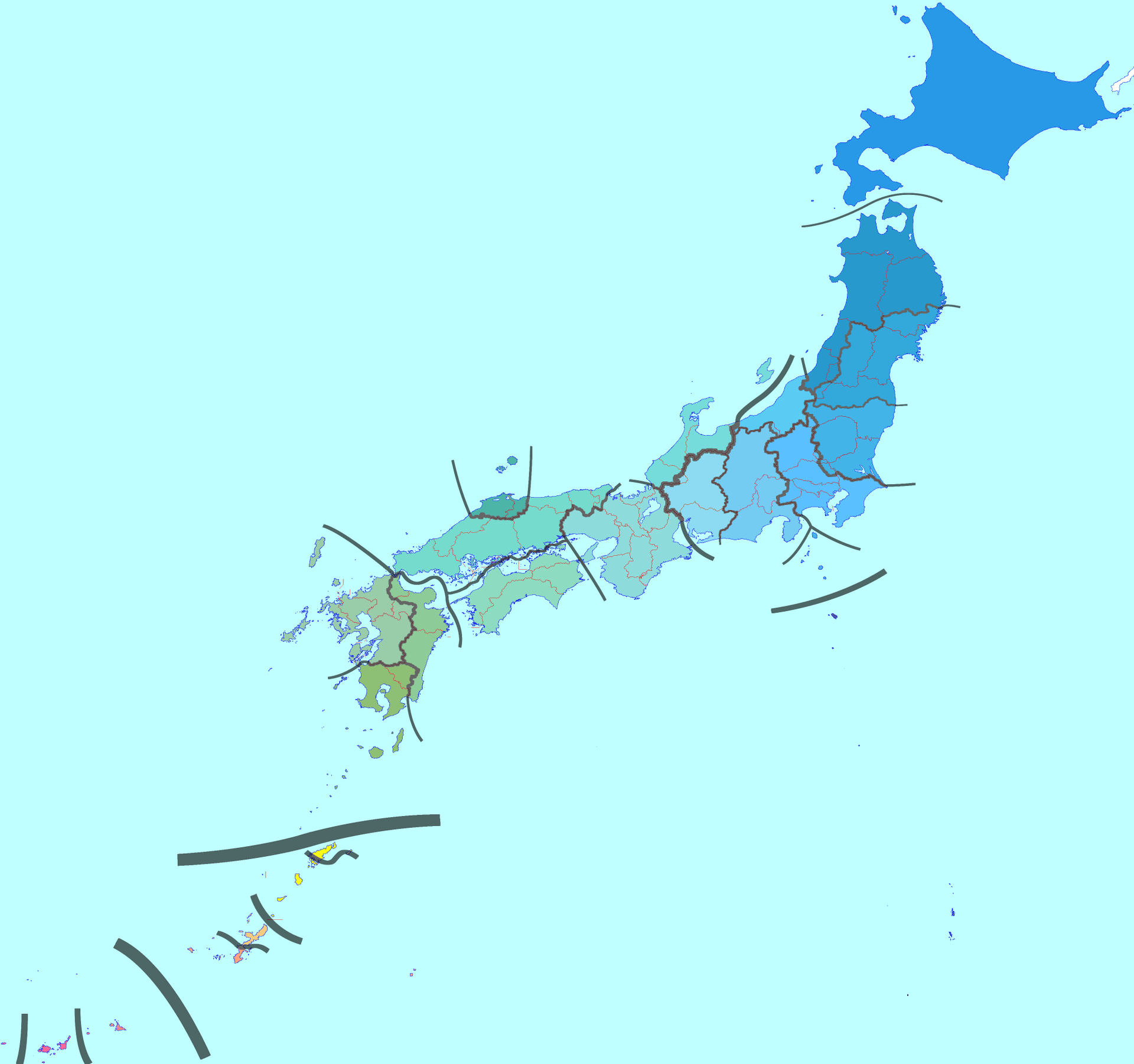
Regional dialects in Japan remind learners that Japanese is not a single flat voice. The language changes by region, age, setting, and relationship, so a phrase that sounds ordinary in Osaka may feel marked, warm, funny, or unfamiliar somewhere else.
What counts as a dialect in Japan
A regional dialect can differ from standard Japanese in several ways: pronunciation, pitch accent, grammar endings, common particles, and everyday vocabulary. Some differences are small enough for learners to miss. Others can make a familiar sentence sound suddenly new.
Standard Japanese, often associated with Tokyo-based media and education, gives learners a shared baseline. Dialects do not replace that baseline. They add local texture and show how people adapt language to place, community, and personality.
Why Kansai-ben is so recognizable
Kansai-ben is probably the best-known regional style for many learners because it appears often in comedy, television, anime, and conversations about Osaka or Kyoto. Words and endings such as honma, akan, and ya instead of da can signal a different rhythm almost immediately.
That visibility can make Kansai-ben feel like the dialect, but Japan has many more local speech patterns. Tohoku, Kyushu, Okinawa, and other regions all have distinctive varieties. Some are easy for outsiders to notice; others are subtle until you hear them often.
How learners should approach dialects
For beginners, the best approach is not to chase every regional form at once. Build a strong base in standard Japanese, then notice dialects when they appear in travel, media, friends' speech, or local signs. Treat them as clues rather than as mistakes.
Dialects matter because they carry identity. They can sound friendly, rural, cool, comic, intimate, or proud depending on context. When you hear Japanese change from one place to another, you are hearing geography and social meaning inside the language.