Japanese apology language: why sumimasen and gomen mean more than sorry
A beginner-friendly guide to Japanese apology words, from sumimasen and gomen to how tone, distance, and context change the message.
Japanese apology language can be confusing because one English word, sorry, does not cover the whole space. Sumimasen, gomen, shitsurei shimasu, and moushiwake arimasen each carry a different mix of apology, politeness, distance, and social repair.
Why one translation is not enough
Beginners often learn sumimasen as sorry, but that translation is only a starting point. Sumimasen can apologize for a small inconvenience, get someone's attention, or acknowledge that someone has done something for you. In English, those situations may use sorry, excuse me, or thank you.
Gomen and gomen nasai sit closer to a direct apology, but they are more casual than the phrases used in formal work or public settings. That is why learners should avoid memorizing only one apology word. The useful skill is choosing the level that fits the relationship.
How formality changes the message
Japanese apology language pays close attention to distance. A quick gomen may work with a friend after a small mistake. Sumimasen feels more neutral and safer with strangers. Moushiwake arimasen sounds much more formal and is used when the speaker accepts stronger responsibility.
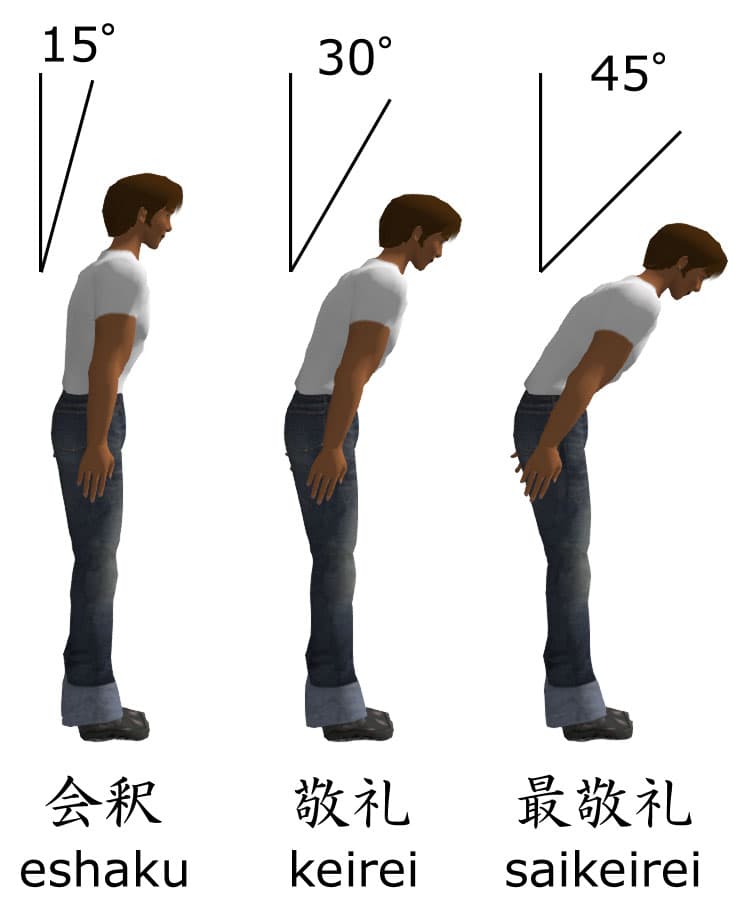
Body language can add another layer. A bow does not automatically make every apology serious, but it can show respect, humility, or attention to the other person's position. The words and the gesture work together.
What learners should practice first
A practical beginner pattern is to use sumimasen for strangers and service situations, gomen for close relationships, and shitsurei shimasu when entering, leaving, interrupting, or doing something that lightly intrudes on someone else's space.
The goal is not to sound perfectly native from day one. The goal is to notice how apology words repair small friction. Once you hear the same phrase used to apologize, request help, and show gratitude, Japanese social language starts to feel less mysterious.