What is omiyage in Japan? The gift ritual behind souvenirs that feel obligatory
Why omiyage in Japan is more than casual souvenir shopping, how people choose it, and what the custom reveals about travel, work, and social care.
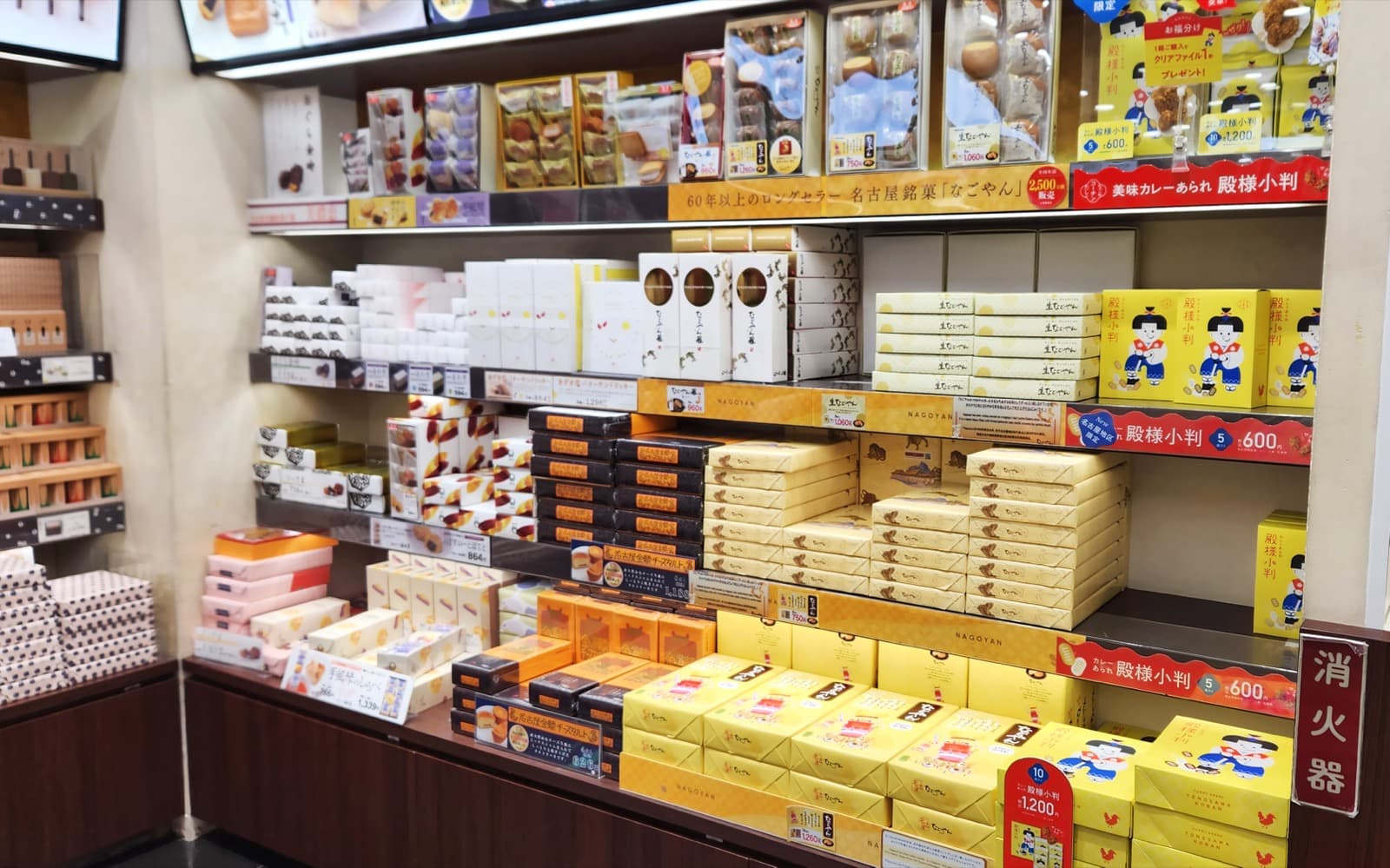
Omiyage in Japan are not just souvenirs. They sit somewhere between a gift, a social signal, and a quiet acknowledgment that you went somewhere and came back thinking about the people around you. That is why the shelves at stations and airports feel so specific: they are designed less around personal memory and more around the act of bringing something back.
Why omiyage feels closer to etiquette than shopping
In many countries a souvenir is optional and personal. In Japan, omiyage often carries a stronger social logic. If you go on a trip, especially for work, school, or family reasons, there can be an assumption that you will bring back a small edible gift for colleagues, relatives, or people who stayed behind. The gift does not need to be expensive. It needs to show consideration and fit the setting.
That expectation changes the whole mood of souvenir shopping. You are not just choosing something that represents your trip to you. You are selecting something easy to share, easy to distribute, and appropriate for a group. That is one reason boxed sweets dominate omiyage culture so strongly.
Why stations and airports are built around regional gift culture
Omiyage shelves in Japan are arranged around place. Regional snacks, local specialties, and destination branding matter because the gift is supposed to carry the identity of where you went. The packaging often does part of that work, using landmarks, mascots, or famous ingredients to make the origin legible before the box is even opened.
This is also why omiyage feels efficient. The products are usually pre-portioned, individually wrapped, and ready to share in an office or at home without extra effort. Convenience is not separate from etiquette here. It is what makes the ritual easy to sustain.
What omiyage reveals about relationships in Japan
Omiyage shows that travel in Japan is often imagined as something that reconnects you to your social circle when you return. The trip may be personal, but the re-entry is collective. A small box of sweets can function as thanks, apology for being away, proof of consideration, or simply a way to rejoin the rhythm of a workplace.
For Japanese learners, omiyage is a useful concept because it joins vocabulary, commerce, and social expectation in one word. It explains why gift shops feel so polished, why regional food branding is so strong, and why a simple snack can carry more meaning than its price suggests.