Kōdō in Japan: why incense became a quiet art of attention
A beginner-friendly guide to kōdō, Japanese incense culture, and why listening to fragrance became an art of memory and focus.
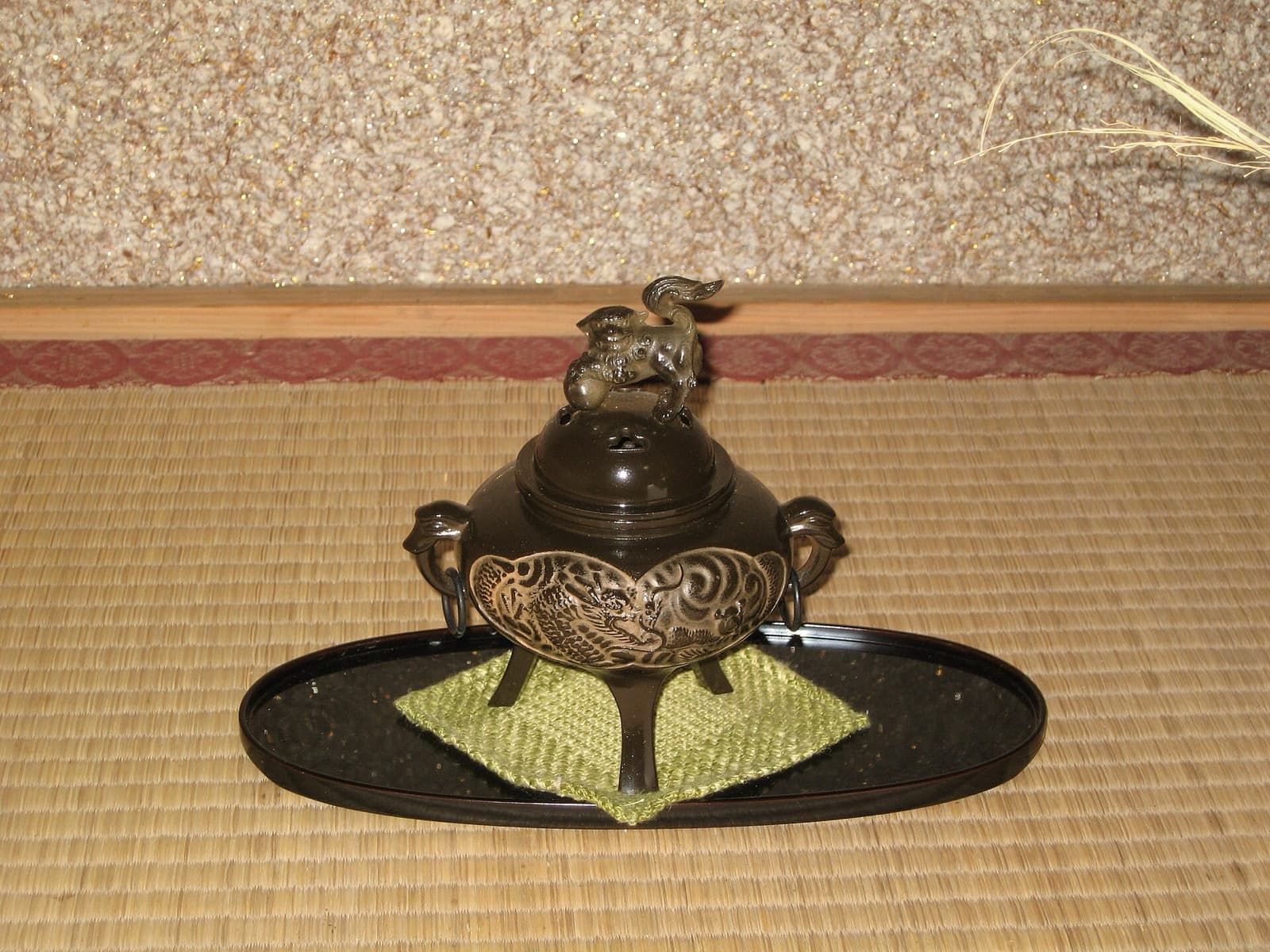
Kōdō is often translated as the way of incense, but the most memorable phrase around it is stranger and more precise: people are said to listen to fragrance.
What kōdō means
Kōdō means the way of incense. It belongs beside tea ceremony and flower arrangement as one of Japan's refined arts of attention. The practice centers on appreciating aromatic wood and incense in a controlled setting, where small differences of scent become meaningful.
The famous expression is monko, often translated as listening to incense. That wording matters. It suggests that fragrance is not only received through the nose. It is followed, compared, remembered, and interpreted with the same patience someone might bring to music.
Why scent becomes memory
Incense disappears as it is experienced, which makes it unusually tied to memory. A bowl, scroll, or flower can be looked at again, but a fragrance changes moment by moment. Kōdō turns that temporary quality into the point of the practice.
Participants may compare scents, associate them with poetic names, or notice how warmth releases different layers. The goal is not to overpower the room with perfume. It is to make attention sharper by giving it something delicate to follow.
How incense appears outside formal practice
Most people in Japan do not practice formal kōdō, but incense still appears in temples, home altars, shops, tea settings, and seasonal displays. It can mark respect, calm a room, or create a boundary between ordinary time and ritual time.
That range is useful for culture learners. Incense is not one thing in Japan. It can be religious, domestic, aesthetic, commercial, or nostalgic depending on where it appears and who is using it.
Why the idea helps Japanese learners
Kōdō gives learners a strong example of how Japanese expressions can reveal cultural posture. The verb listen feels unexpected in English, and that surprise makes the concept easier to remember.
It also connects sensory language to broader habits of focus. DarumaGo often uses cultural scenes as memory hooks, and incense works especially well because the lesson is not only what a word means, but how attention is practiced.