Omamori meaning in Japan: What these lucky charms are for and how people use them
A clear guide to omamori meaning in Japan, including shrine and temple charms for health, study, travel, and why people usually do not open them.
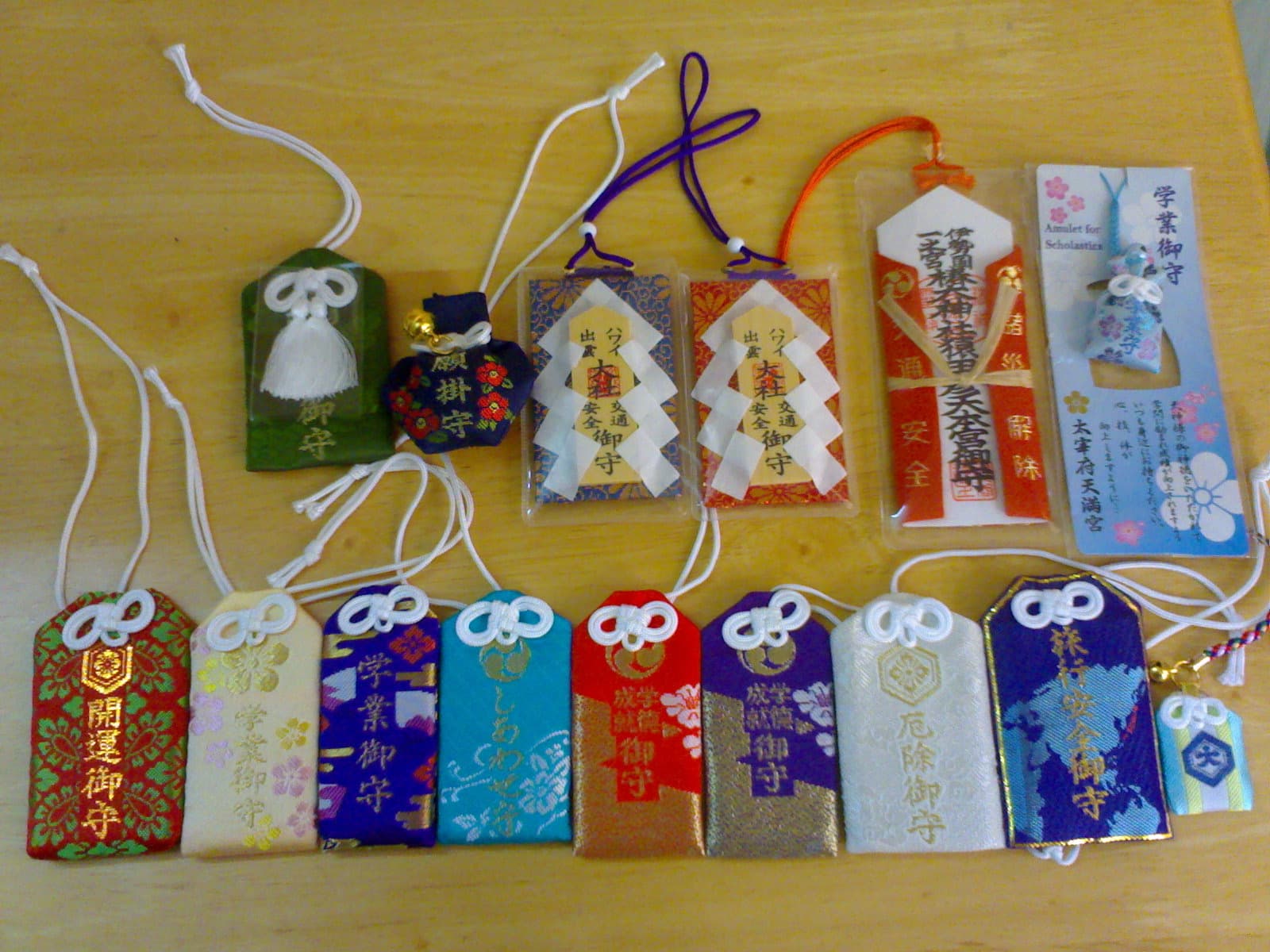
Omamori are easy to recognize in Japan because they look small, colorful, and portable. What makes them memorable is not only the object itself, but the way protection, luck, and everyday anxiety are folded into something people can keep in a bag, on a phone, or near a wallet.
What omamori are actually meant to do
When people search for omamori meaning, they usually want to know whether these charms are religious, decorative, or simply tourist items. The simplest answer is that they are protective amulets connected to a wish or area of life. A person chooses one because they want help with something concrete: passing exams, staying healthy, driving safely, finding calm during pregnancy, or keeping business stable.
That practical side matters. Omamori are not abstract symbols floating outside ordinary life. They sit very close to daily worries, which is why they remain so visible in modern Japan. They turn broad ideas like luck or blessing into something small enough to carry every day.
Why there are so many different kinds
The variety of omamori is part of their appeal. One shrine may be known for academic success, another for relationships, another for traffic safety or childbirth. The charm becomes a compact way to translate the identity of a place into an object with a clear purpose.
This is also why the wording around omamori often feels specific. People are not only buying a general token of good fortune. They are matching a life situation with a charm that names the kind of support they want. That specificity makes the ritual feel personal without becoming complicated.
Why people usually do not open them
A common point of etiquette is that omamori are usually kept closed. The object is meant to be carried and respected as it is, not inspected like packaging. Opening it can feel like breaking the integrity of the charm instead of trusting what it represents.
That detail says a lot about how many Japanese rituals work. Meaning does not always depend on seeing everything inside. Sometimes the boundary is the point. Respect is shown by how you handle the object, where you place it, and whether you treat it as something more deliberate than decoration.
Why omamori are useful for understanding Japan
Omamori are a strong beginner topic because they connect language, ritual, and ordinary behavior in one scene. You can understand words related to luck, protection, exams, travel, and wishes through an object that people really use. That makes the cultural context easier to remember than a purely abstract explanation.
They also show a broader pattern in Japan: spiritual customs often stay close to practical life. The charm is small, but it reveals how protection, routine, and place identity can all meet in a single everyday object.