Mini shrines in Japan: why tiny roadside sanctuaries still shape everyday streets
What mini shrines in Japan are, why they appear in ordinary neighborhoods, and how these small sacred spaces keep ritual close to daily life.
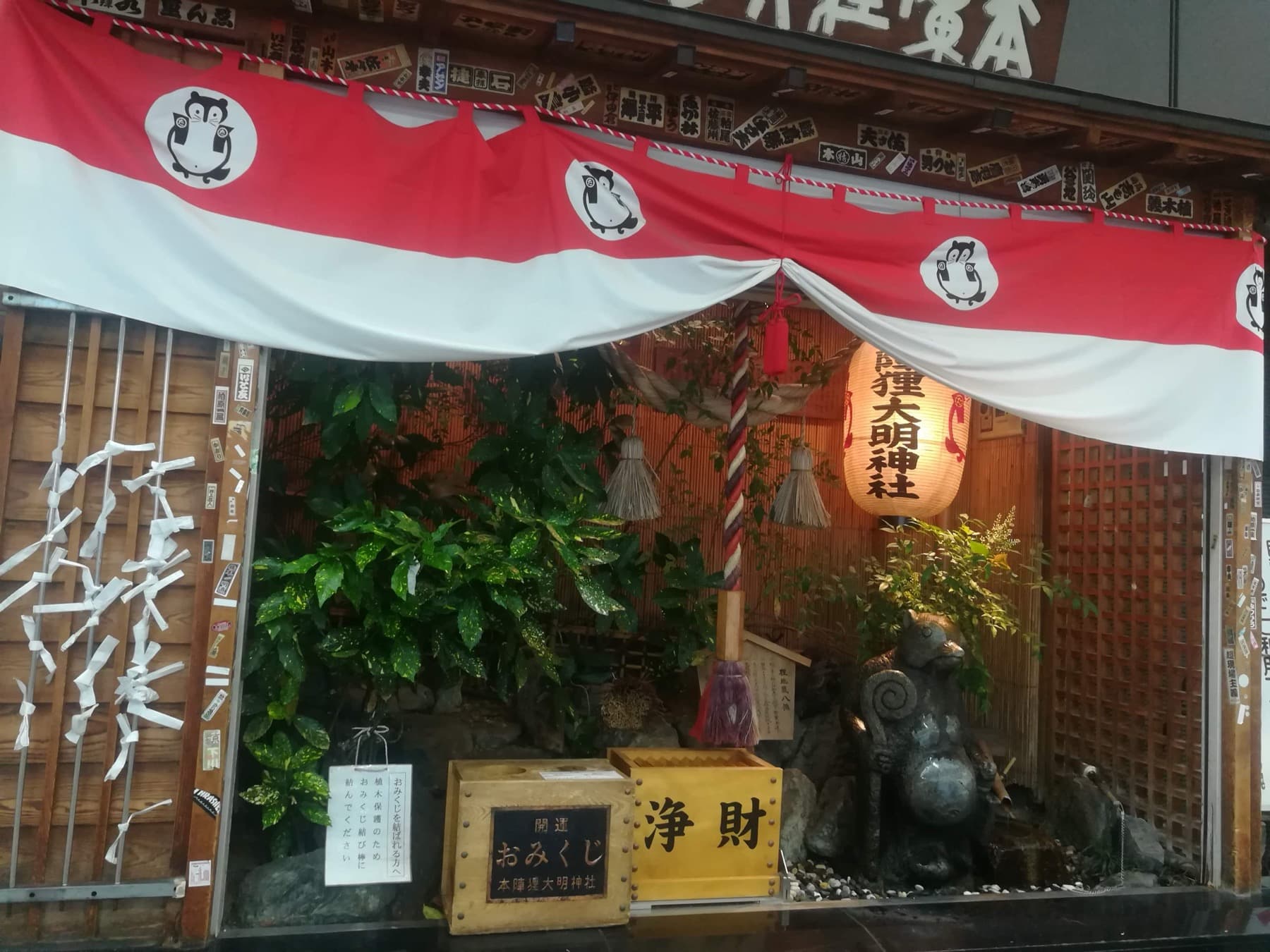
One of the easiest ways to misunderstand Japan is to assume that spirituality only lives in famous temples and large shrine grounds. Walk through enough residential streets, though, and you begin to notice another layer: tiny shrines tucked beside houses, under trees, near crossroads, or in the corner of a parking lot. They do not dominate the street, but they quietly change how the street feels.
Why small shrines appear in ordinary places
Mini shrines in Japan often feel surprising because they are not always placed where a visitor expects sacred architecture to be. You can find them beside apartment blocks, at the edge of rice fields, inside alleys, or attached to a corner that would look purely practical in another country. Their scale makes them easy to miss, but that scale is part of the point. They allow ritual presence to stay embedded in the neighborhood instead of being moved somewhere ceremonial and distant.
Some of these structures protect a local deity, honor an old land division, or preserve a memory tied to the place itself. Others function as a small branch of a larger shrine tradition. In each case, the shrine tells you that the street has a history beyond traffic flow or real-estate logic. Someone decided that this patch of ground should continue to be acknowledged.
Why they feel different from major shrine visits
A large shrine visit in Japan can be formal, seasonal, and clearly marked by architecture, torii gates, purification basins, and crowds. A mini shrine is usually much quieter. It may have a tiny offering space, a few flowers, a rope, a fox statue, or simply a protected niche with enough visual cues to signal respect. The interaction is often brief, and sometimes there is no visible interaction happening at all.
That difference matters because it shows how ritual can survive without spectacle. A famous shrine tells you what to do through space and movement. A neighborhood shrine depends more on recognition. If you know what you are looking at, the place feels alive. If you do not, it can look like a decorative object. Learning the difference changes how you read a street.
What mini shrines reveal about daily life in Japan
These tiny sanctuaries suggest that in Japan, religion and habit are not always separated into dramatic categories. Reverence can be light, local, and woven into routine. The sacred does not need to interrupt the day to remain present inside it. That is one reason many streets feel layered rather than purely functional: practical life and inherited meaning sit side by side.
For Japanese learners, mini shrines are useful because they connect vocabulary, gesture, and local memory in one image. Words like jinja, hokora, torii, or omamori stop feeling abstract when you see how spiritual reference points remain distributed through everyday space. Even a very small shrine can teach you that Japan often preserves meaning through continuity rather than scale.