What is a konbini in Japan? Why convenience stores feel so useful in daily life
Why konbini in Japan are more than late-night snack shops, and how they support meals, payments, errands, and everyday rhythm.
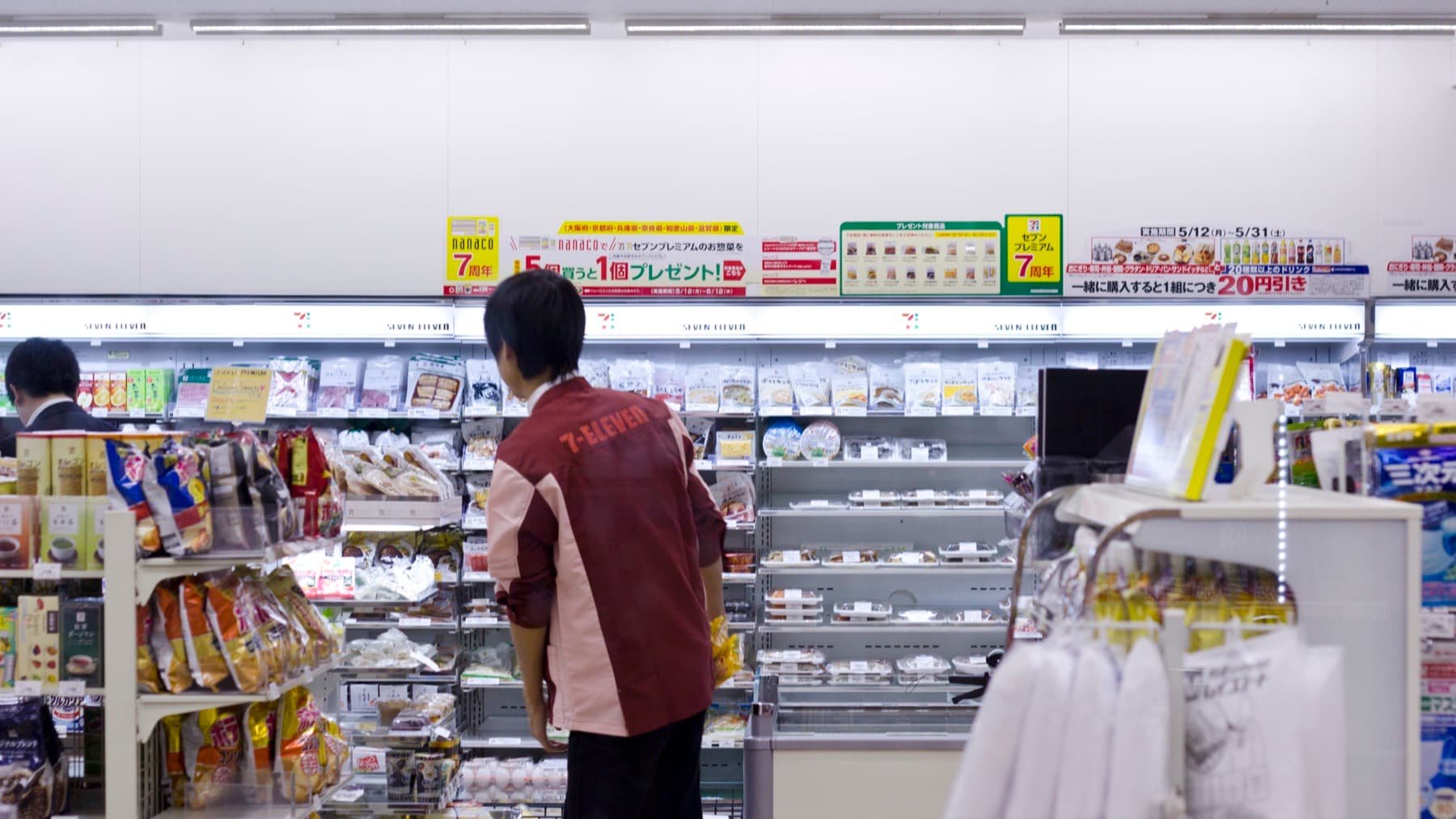
A konbini in Japan is technically a convenience store, but that translation feels too weak once you start using one. The store is not only for snacks. It supports payments, quick meals, basic errands, and small time-saving decisions that make city life feel smoother.
Why a konbini feels different from a typical convenience store
The word konbini comes from convenience store, but in Japan the format often feels more complete than people expect. You can pick up an onigiri breakfast, buy coffee, pay a bill, print documents, send parcels, or solve a forgotten household need in one stop. The store becomes part of the day rather than only an emergency fallback.
That reliability matters as much as the product range. People trust the lighting, the cleanliness, the packaging, and the predictable quality of familiar items. A konbini works because it removes friction repeatedly, not because any one product is extraordinary on its own.
Why konbini fit Japanese city rhythm so well
Japanese urban life depends on many small transitions: train transfers, late returns home, quick lunches, short breaks, and errands squeezed into a commute. Konbini fit that rhythm almost perfectly because they are designed for fast decisions without much mental effort. The store offers enough choice, but not so much that browsing becomes exhausting.
That balance is one reason visitors remember them so vividly. A konbini can feel efficient without feeling chaotic. The shelves are dense, yet readable. The service is fast, yet polite. The whole environment suggests that convenience should still feel orderly.
What konbini reveal about modern Japan
Konbini show how contemporary Japan values systems that quietly support everyday life. The store does not try to become a spectacle. Its success comes from consistency, packaging, timing, and the ability to solve ordinary needs at almost any hour.
For learners, konbini are especially useful because the space is full of practical language: labels, meal names, service terms, seasonal promotions, and payment vocabulary. Once you understand the word, a huge part of daily urban Japan becomes easier to read.