Why do Japanese remove shoes indoors? Genkan etiquette and what it means
How the genkan works, why shoes come off at the door, and what that small ritual says about boundaries inside Japanese daily life.
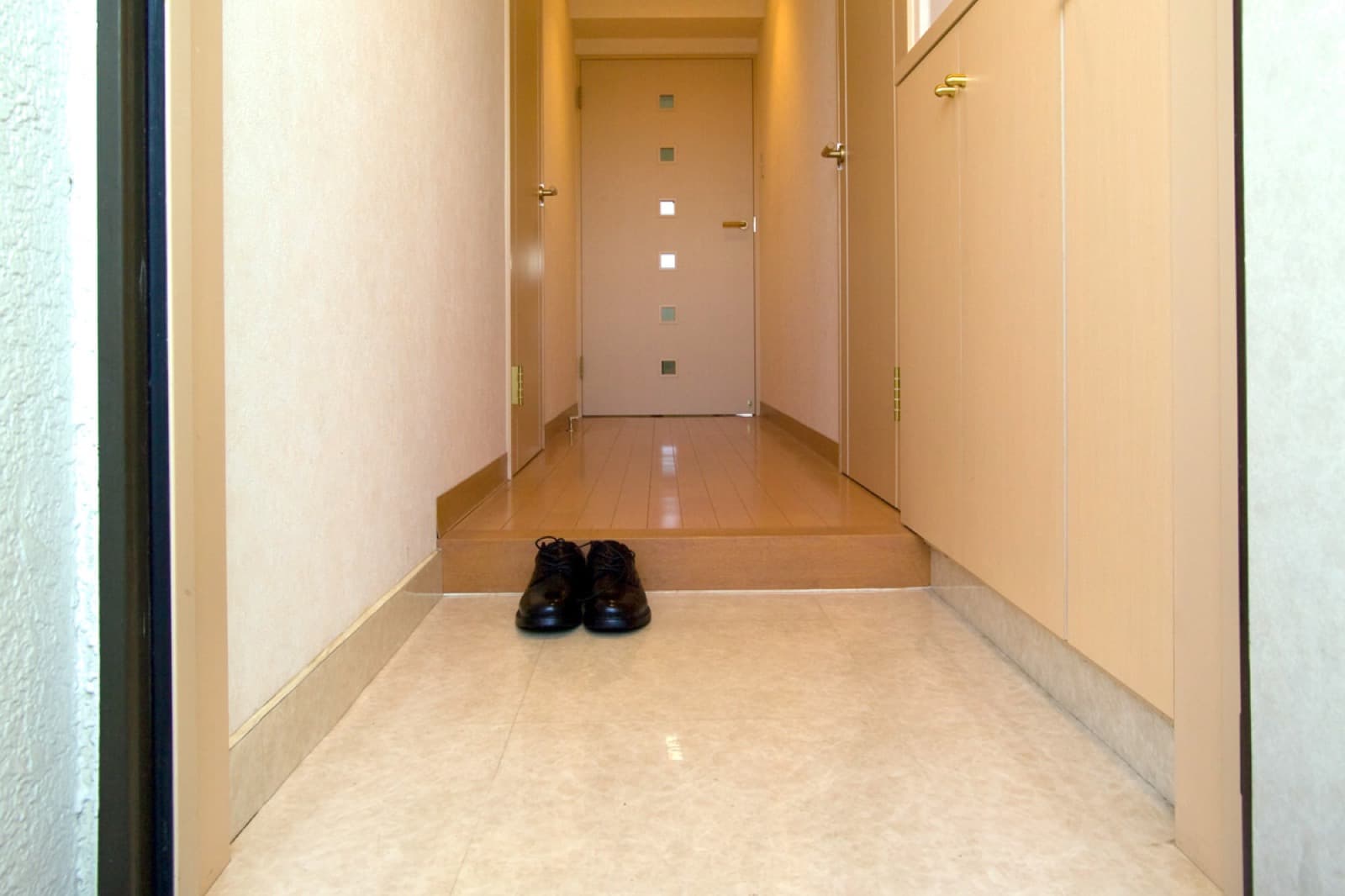
People often notice the rule before they understand the logic. In Japan, removing shoes indoors is not just a hygiene habit. It marks a clear boundary between the outside world and the protected space of the home, school, temple, or ryokan.
The genkan is more than a doorway
A Japanese entryway usually makes the custom easy to read. The genkan sits lower than the main floor, so you literally step up into the interior after taking off your shoes. That change in height turns the rule into architecture rather than a verbal reminder.
Because of that, the gesture feels practical instead of ceremonial. You are not only avoiding dirt. You are acknowledging that the indoor space follows different expectations from the street outside.
Why the habit still feels strong today
The custom survives because it solves several things at once. It helps with cleanliness, especially in places where people sit close to the floor, sleep on futons, or move through rooms in socks or slippers. It also keeps the home visually ordered, which matters in compact living spaces.
That is why the rule extends beyond private houses. Schools, traditional inns, some clinics, and many temples use the same inside-outside logic. Even when the setting changes, the idea of crossing a threshold carefully stays recognizable.
What visitors should notice and do
If you are visiting a Japanese home or traditional accommodation, pause at the entrance and look down before moving forward. Shoes normally stay on the lower floor. Indoor slippers may appear for the hallway, and toilet slippers may be separate again. The sequence is simple once you notice the cues.
That is what makes this custom useful for understanding Japan more broadly. Many etiquette rules are not arbitrary once you see the boundary they are protecting. Removing shoes indoors is one of the clearest examples of Japanese manners being built directly into the space itself.