Queueing in Japan: Why orderly lines matter in stations, shops, and daily life
Why queues in Japan feel so calm, what people are actually following, and how line discipline supports crowded public spaces.
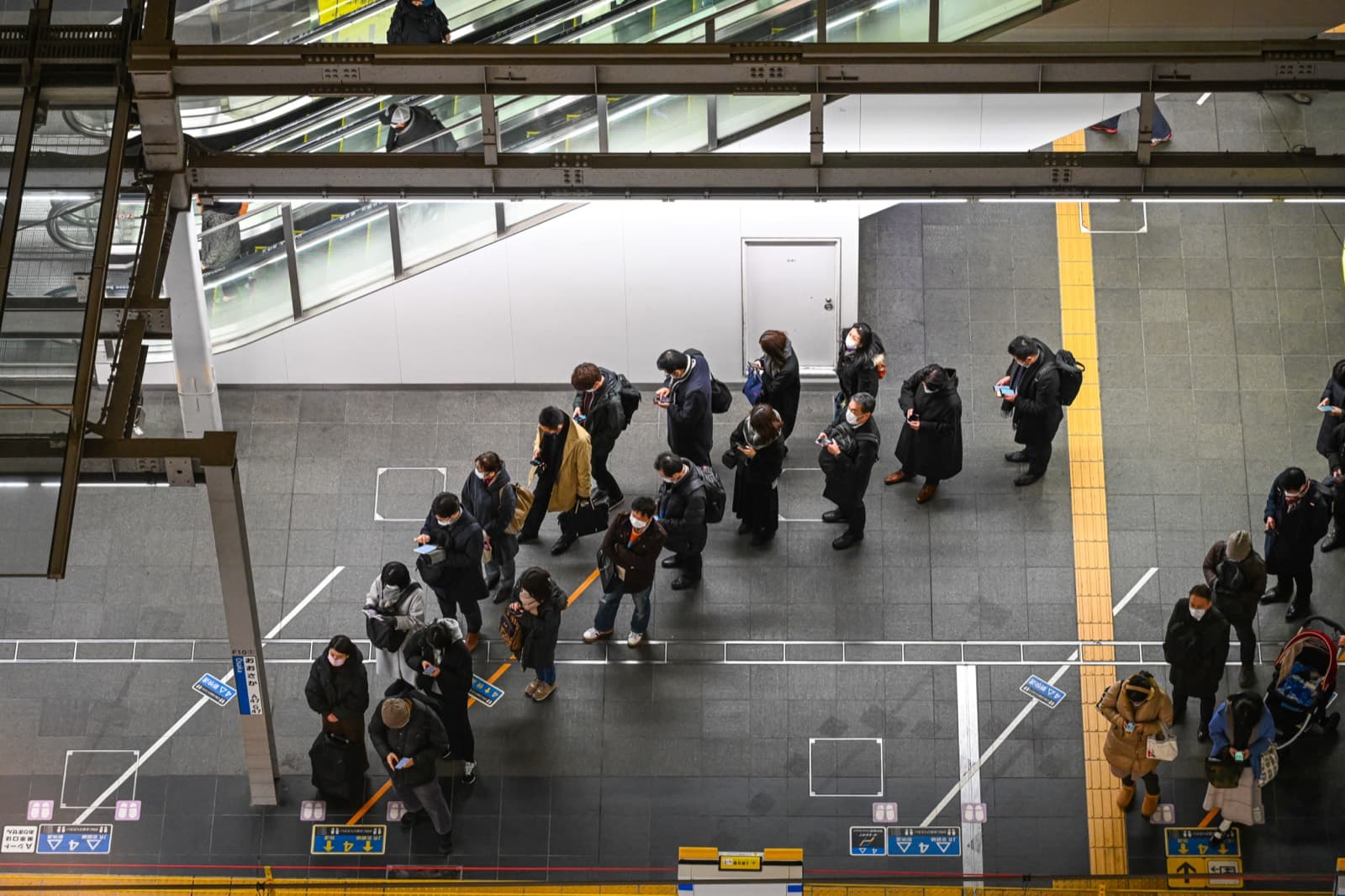
People often describe Japan as orderly, but queues show what that order is doing in practice. Lines are not only about patience. They are a visible system for reducing friction, protecting fairness, and helping crowded places keep moving without constant negotiation.
Why lines feel so visible in Japan
In many Japanese stations, the queue is built into the environment. Floor markings show where to wait, where doors will open, and where people exiting the train should pass first. The system reduces guesswork before anyone has to say a word.
That is why the line can look surprisingly calm even in very busy places. The order is not produced by strict enforcement at every moment. It is produced by everyone reading the same cues and trusting other people to do the same.
Fairness matters as much as efficiency
Queue discipline in Japan is practical, but it also carries a moral tone. Cutting in line, drifting forward too aggressively, or ignoring the boarding order stands out because the line represents equal access to a shared service. The queue protects predictability for strangers.
That logic extends beyond trains. Convenience stores, elevators, ticket counters, and festival stalls often depend on the same quiet rule: wait your turn in a way that makes the process easier for everyone else too.
What visitors should pay attention to
If you are unsure what to do, start by looking at the floor and the body language around you. Japan often explains public behavior spatially, through arrows, lane markings, and the distance people leave between one another. Once you notice that, the line becomes easy to follow.
That makes queueing a useful beginner topic. It shows that Japanese etiquette is often less about dramatic politeness and more about coordinated behavior in shared spaces. The line works because everyone treats small discipline as a form of respect.