Japan onsen etiquette: What to know before your first hot spring visit
The rules that matter most in a Japanese onsen, from washing first to moving quietly through a shared bath.
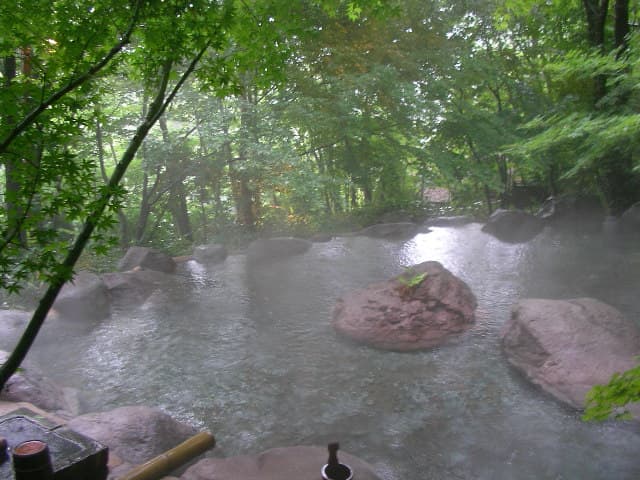
Japan onsen etiquette feels strict at first because the bath is not treated like a private luxury. It is a shared ritual built around cleanliness, calm, and consideration for other people in the space.
Why the washing step matters so much
The most important rule in a Japanese onsen is simple: wash your body before you enter the shared water. The bath is for soaking, not for cleaning. That is why the washing area usually comes first, with stools, handheld showers, soap, and shampoo arranged in a very practical way.
Once that logic is clear, the rest of the etiquette makes more sense. The shared bath stays pleasant because everyone prepares in the same order. What can look like a list of restrictions is really a system that protects the quality of the space for everybody.
The quiet social tone of the bath
A good guide to Japan onsen etiquette should explain tone as much as rules. Voices are usually low. People move without rushing. Towels stay out of the water. Phones and photography are not part of the experience. The atmosphere is less about performance and more about not disturbing the surrounding calm.
That quiet tone is part of what many visitors remember most. Even when the bath itself is simple, the environment feels intentional. It teaches a broader lesson about Japanese shared spaces: comfort often depends on everyone making their own behavior slightly lighter.
What first-time visitors usually worry about
Many people worry about doing something embarrassing, especially around nudity, towels, or tattoos. In practice, the basics cover most of it. Follow the washing sequence, keep the small towel out of the bath, observe the posted rules, and notice how other guests move through the space.
That makes onsen useful for learners too. It connects vocabulary, routine, and social behavior in one memorable setting. Instead of memorizing isolated cultural facts, you start to see how a Japanese rule often exists to preserve comfort in a group environment.