Chopstick etiquette in Japan: small table rules with big social meaning
A clear guide to chopstick etiquette in Japan, from hashioki rests to gestures that feel rude at the table.
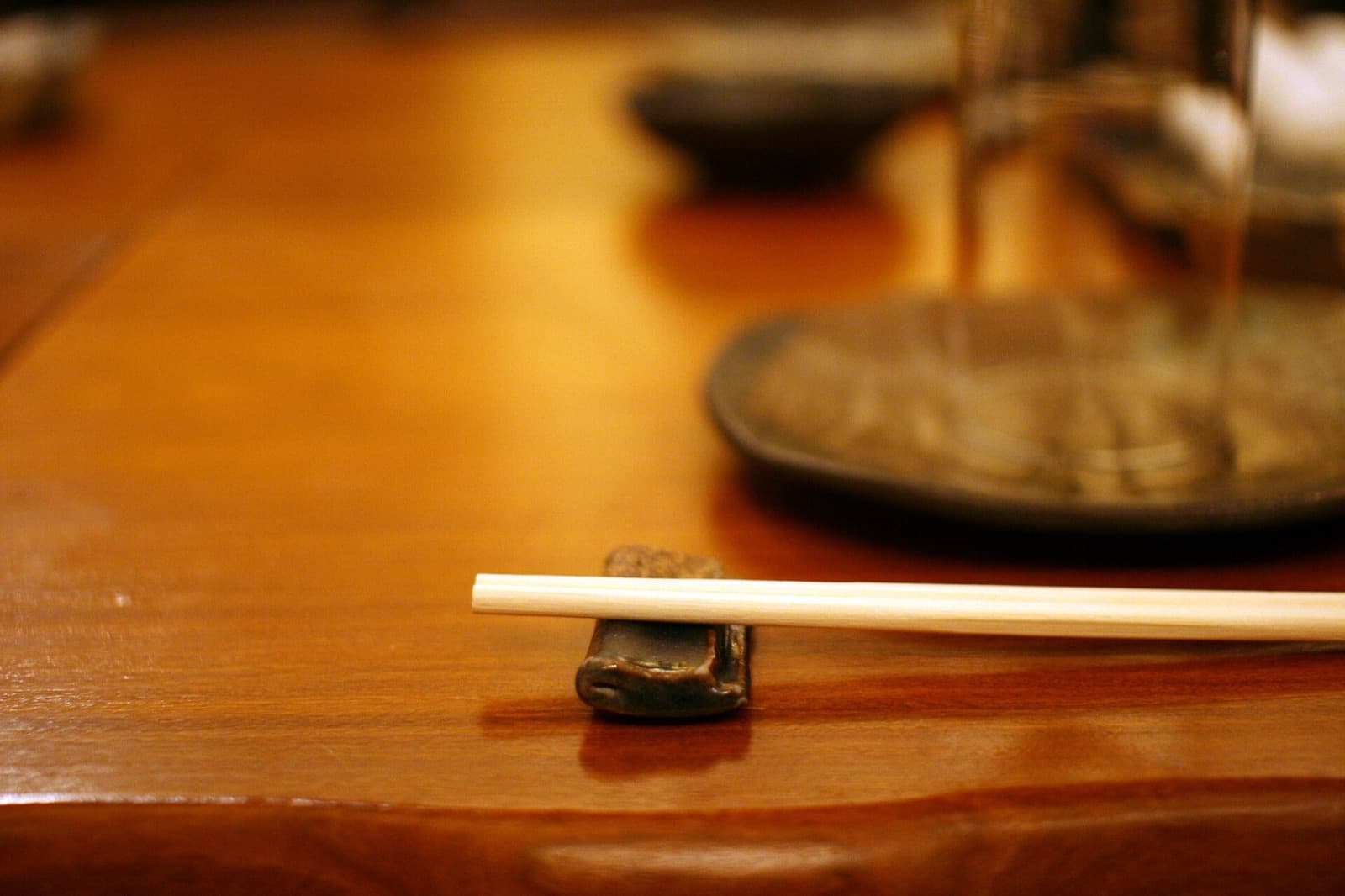
Chopstick etiquette in Japan is not about performing perfectly. It is about showing that you understand the table as a shared space, even through very small gestures.
Why chopstick rules matter
Japanese chopstick etiquette can look detailed, but many rules come from one simple idea: chopsticks are eating tools, not toys, pointers, or decorations. When they are handled carefully, the meal feels calmer and cleaner for everyone at the table.
The rules also protect emotional distance around food. Pointing chopsticks at someone, waving them while talking, or digging through a shared dish can feel intrusive. Good manners keep the focus on the meal and make group dining easier.
The taboos people remember first
Two chopstick taboos are especially important because they echo funeral customs. Do not stick chopsticks upright into a bowl of rice, and do not pass food directly from one pair of chopsticks to another. Both gestures carry associations that make them uncomfortable at an ordinary meal.
Other common mistakes are less symbolic but still rude. Avoid pointing, spearing food, licking chopsticks, hovering over dishes while deciding, or pulling plates toward yourself with chopsticks. Each action makes the tool do something it was not meant to do.
How hashioki make etiquette visible
A hashioki is a small chopstick rest. It gives the chopsticks a clean place to sit when you pause, and it also creates a visual line between eating and resting. In casual settings, people may fold the paper wrapper into a simple rest instead.
That small object explains a lot about Japanese table design. The rest is practical, but it also keeps the place setting orderly. It makes care visible without needing a large gesture.
What learners can notice next
For Japanese learners, chopstick etiquette connects vocabulary to behavior. Words like hashi, hashioki, itadakimasu, and gochisosama are easier to remember when they belong to the rhythm of a meal.
DarumaGo readers do not need to memorize every rare rule at once. Start with the high-impact habits: rest your chopsticks neatly, avoid funeral-linked gestures, and treat shared dishes with attention.