Japan hanami etiquette: How cherry blossom picnics actually work
What people pay attention to during hanami season, from space sharing and timing to cleanup and group atmosphere.
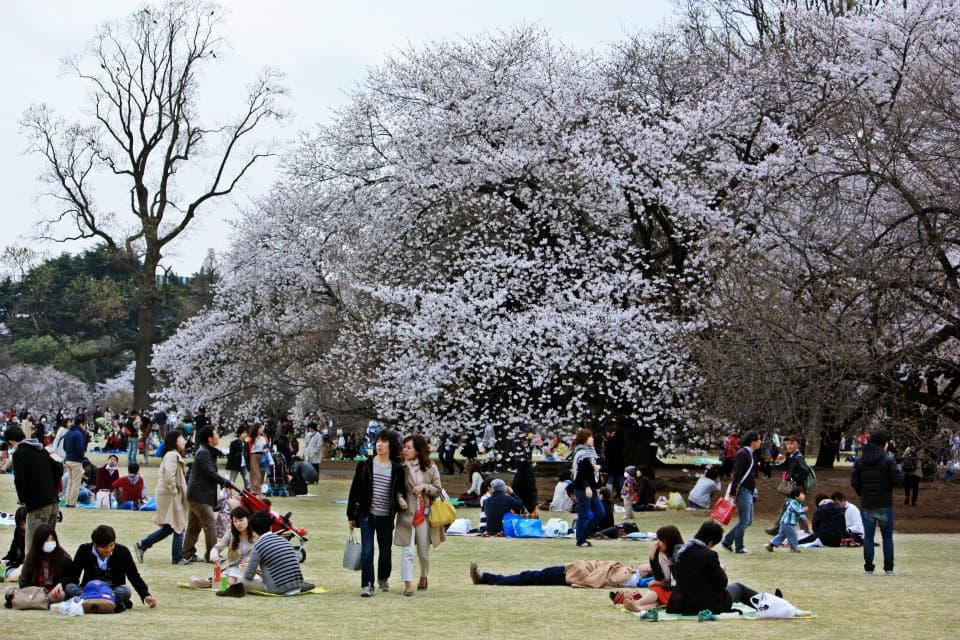
Japan hanami etiquette is less about one formal rulebook and more about reading the mood of a crowded seasonal moment. Cherry blossom viewing feels joyful, but it still depends on order, respect for shared space, and careful cleanup.
Why hanami feels both festive and orderly
Cherry blossom season creates some of the most photographed scenes in Japan, but the social logic underneath is easy to miss. Hanami is joyful, social, and sometimes crowded, yet it usually does not feel random. People claim space carefully, bring food that is easy to manage, and stay aware that many other groups want the same view.
That balance is what makes Japan hanami etiquette interesting. The gathering is relaxed, but not careless. The blossoms matter, the weather matters, and the shared setting matters too.
What people usually pay attention to
A practical guide to Japan hanami etiquette should start with simple behaviors: arrive early if the spot is popular, avoid spreading too widely, keep pathways open, and carry your rubbish out if bins are limited. Loudness can vary by location, but awareness of other groups remains important almost everywhere.
Food and drinks are part of the tradition, yet the picnic is rarely treated like permission to ignore the park. When the space is busy, people read the atmosphere. That ability to enjoy a public scene without overwhelming it is one reason hanami feels memorable rather than messy.
Why hanami is such a useful cultural entry point
For learners, hanami is easy to remember because it ties together season, weather, food, flowers, friendship, and movement through the city. It turns abstract ideas about Japanese seasonality into something visible: blossom forecasts, park routines, convenience-store picnic supplies, and the brief timing of peak bloom.
It also reveals an important pattern in Japanese daily life. Celebration does not automatically cancel structure. In many settings, enjoyment becomes possible because people keep the shared environment workable for one another.