What is matsuri in Japan? How festivals organize sound, movement, and local identity
What matsuri in Japan actually means, why festivals are more than spectacle, and how neighborhoods use them to rehearse memory, belonging, and seasonal rhythm.
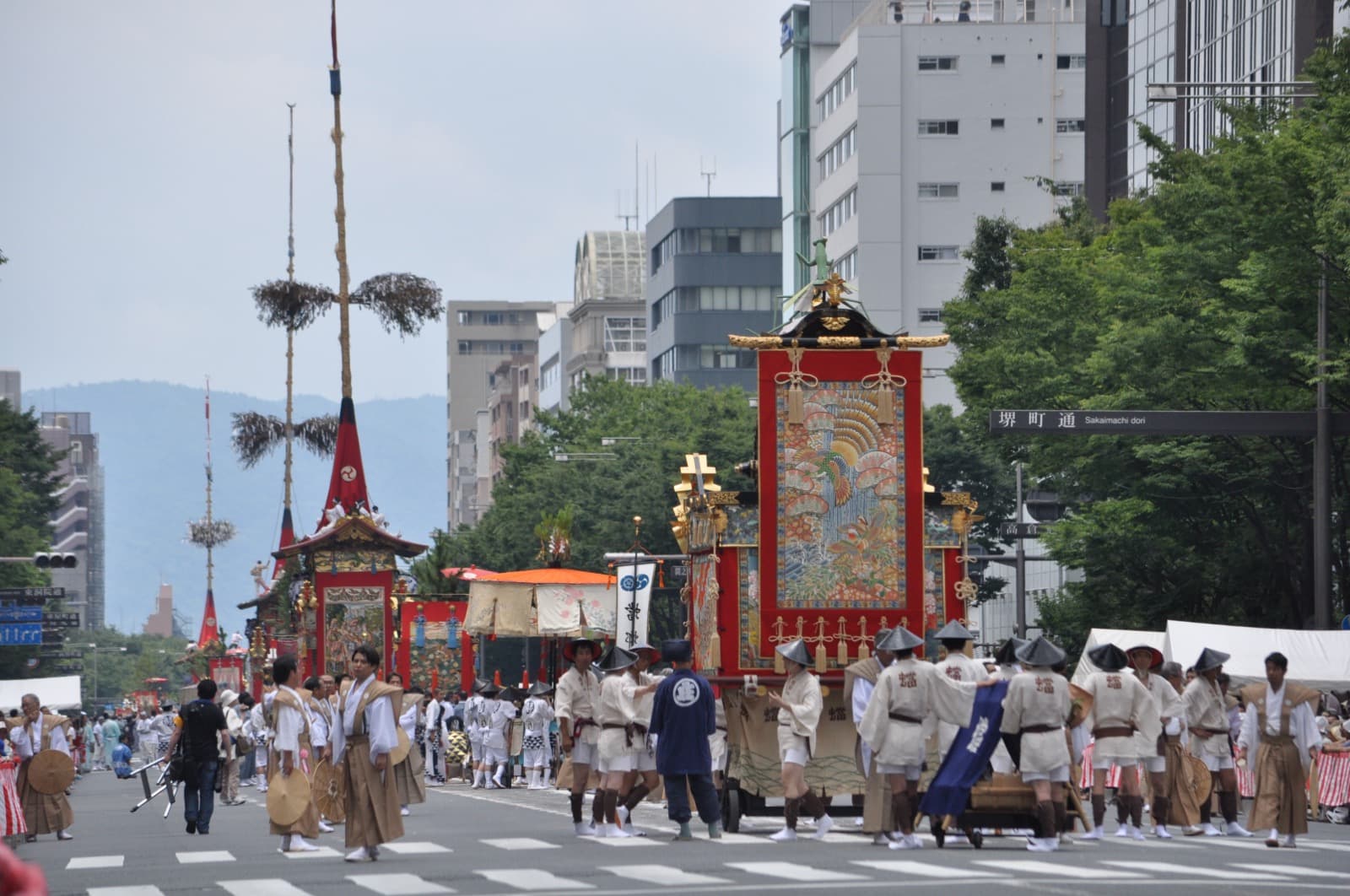
Matsuri in Japan are often described as festivals, but the English word can feel too broad. A matsuri is usually tied to a place, a season, and a local community that knows how the route, the music, the food stalls, and the timing are supposed to work. That is why the atmosphere feels so dense: what looks festive from the outside often carries a long internal logic.
Why matsuri are more structured than they first appear
From the outside, a matsuri can look like joyful chaos: drums, lanterns, crowds, food stalls, costumes, portable shrines, and blocked streets. But most matsuri are built on repetition and inherited order. People know where the procession goes, who carries what, when certain sounds happen, and which shrine or district the event belongs to.
That structure is part of why matsuri feel so powerful. The celebration is public, but it is not random. The event brings together ritual timing, volunteer labor, and local memory in a form that can be seen and heard by everyone.
Why neighborhoods keep investing in festival labor
A matsuri usually requires preparation that visitors do not see: organizing routes, preparing floats, coordinating participants, preserving costumes, and passing down practical knowledge across generations. This hidden work matters because the festival is one of the clearest ways a community presents itself to itself.
That is also why matsuri can survive even when daily life changes. The event becomes a seasonal anchor. It tells people when the year has turned, when a neighborhood gathers, and what traditions still feel worth carrying forward together.
What matsuri reveal about Japanese public culture
Matsuri show how celebration in Japan often moves through locality rather than abstraction. Instead of a generic festival format, many events remain tied to one shrine, one district, one route, or one historical story. The result is a public event that feels both festive and highly situated.
For language learners, matsuri are useful because they gather together so many cultural layers at once: shrine vocabulary, seasonal symbols, announcements, food terminology, and the rhythm of people participating in something they already know how to read. Even without understanding every word, you can feel that the event is organized by shared memory.