What is engawa in Japan? Why this wooden edge changes how a house meets the garden
A practical guide to engawa in Japan, from sun, shade, and airflow to the quiet social role of this in-between space around traditional homes.
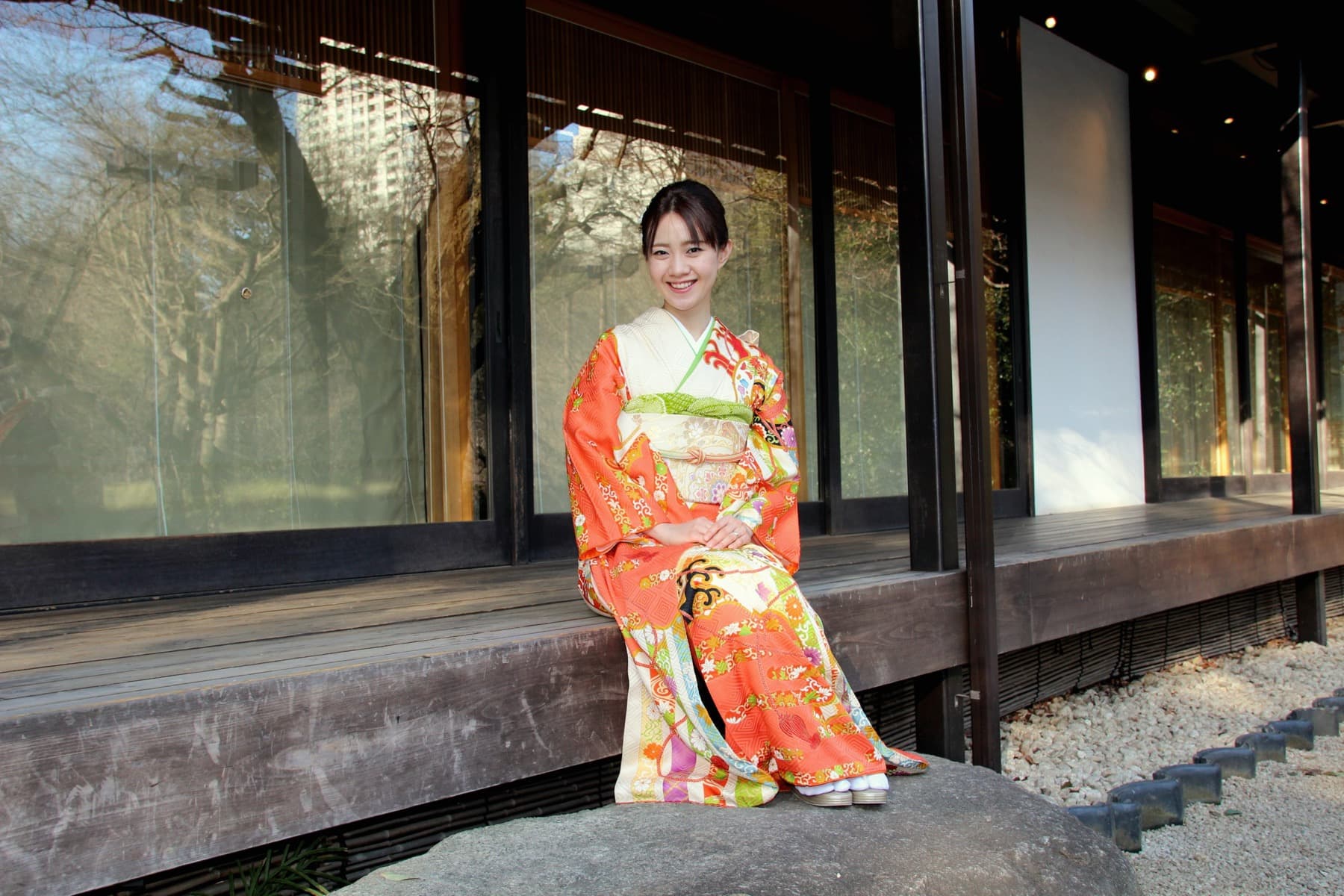
Engawa does not look dramatic at first. It is simply the narrow wooden strip that runs along the edge of a traditional Japanese house. Yet that slim zone changes the whole relationship between indoors and outdoors by creating a place that is neither fully room nor fully garden.
Why engawa feels different from a hallway or porch
An engawa is not just circulation space. It is an architectural buffer that softens the line between the protected interior and the changing weather outside. That is why it feels calmer than a corridor and lighter than a closed room.
Because it faces the garden, the engawa turns looking outward into part of daily life. You sit there, remove shoes nearby, notice rain, hear insects, or watch the light shift. The house stays connected to the season without opening itself completely.
How engawa shapes movement and atmosphere
In practical terms, engawa supports ventilation, shade, and circulation around the house. Doors can slide open so air moves more freely, while the overhanging roof protects the edge from direct sun and rain. The design is restrained, but it changes comfort in a very direct way.
It also affects behavior. People slow down on an engawa. The space invites sitting, observing, and informal conversation rather than fast movement. That slower rhythm is part of why traditional Japanese houses often feel composed even when very little is happening.
What engawa reveals about Japanese design values
Engawa is a good reminder that Japanese architecture often prefers mediation over hard separation. Instead of insisting that inside and outside are two fully isolated worlds, the house creates a threshold where they stay in contact. The result is flexible, seasonal, and quietly attentive.
For learners interested in Japan, that makes engawa more than a design detail. It shows how architecture can teach a cultural habit: notice transitions, not just endpoints. The beauty of the space comes from how it manages relation, distance, and atmosphere all at once.