What is a temizuya in Japan? Why shrine purification basins matter before prayer
A simple guide to temizuya in Japan, what visitors do there, and why the purification basin changes the tone of a shrine visit.
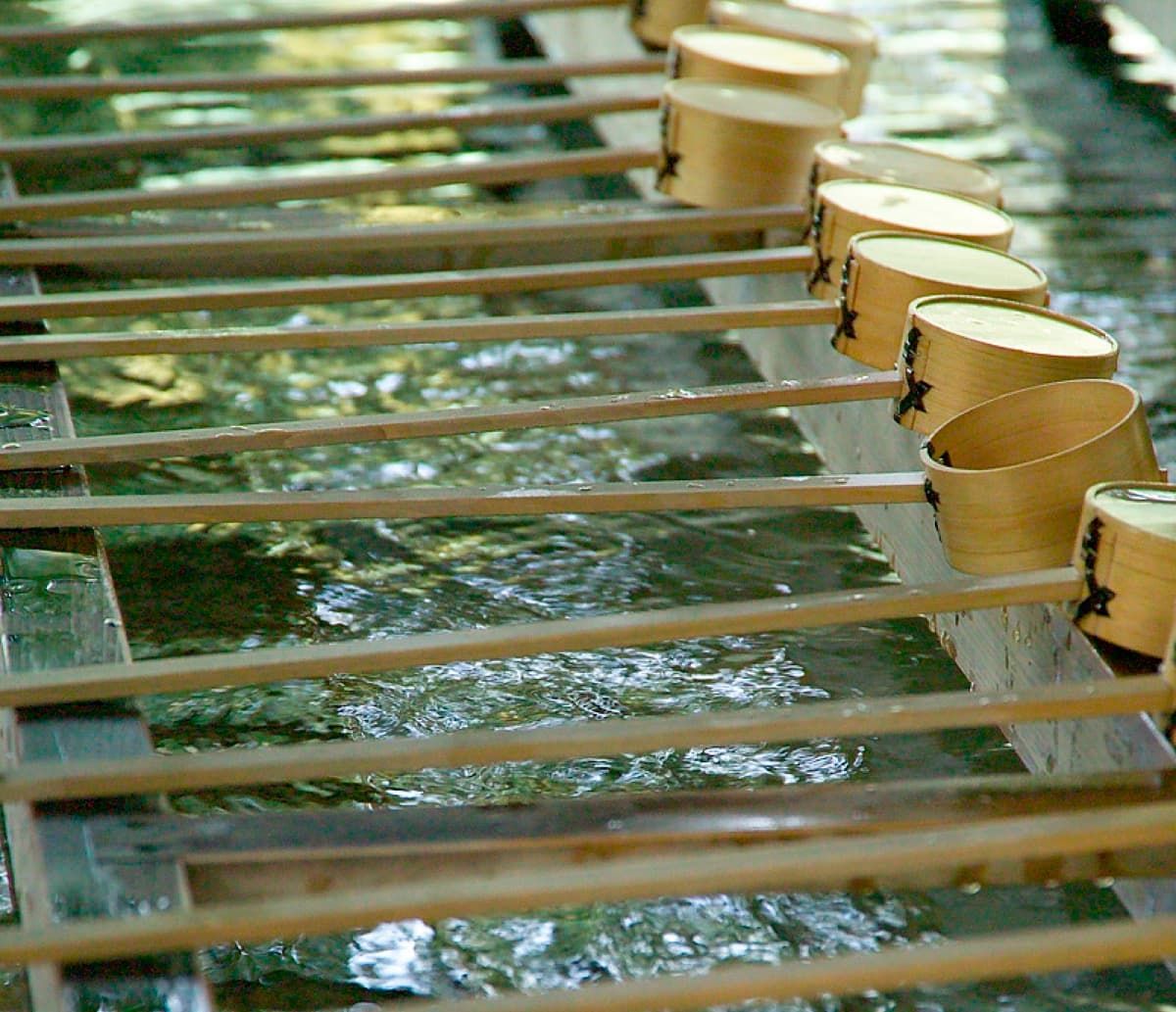
A temizuya in Japan can look like a small architectural detail, but it does important cultural work. The basin is where visitors pause, wash, and reset before moving deeper into the shrine, which means the visit begins with a change of pace rather than a direct rush to prayer.
What a temizuya is actually for
A temizuya, also called chōzuya, is the water pavilion or basin area near the entrance of many shrines in Japan. Visitors use it for a short purification ritual before approaching the main hall. The gesture is small, but it signals that entering sacred space should begin with care rather than hurry.
That is why the basin matters beyond hygiene. It is not only about clean hands. It is about composing yourself before the visit continues. Even when people perform the ritual quickly, the basin still creates a visible threshold.
Why the purification step shapes the whole visit
Shrine visits in Japan often feel orderly because the sequence is built into the space. You approach the grounds, notice the temizuya, wash, and only then move toward prayer. The body learns the pattern without needing long explanations. Architecture and etiquette support each other directly.
That sequence helps explain why shrine behavior can feel calm even when many people are present. The purification basin absorbs some of the transition from outside noise to inside focus. It gives the visit a beginning, not just a destination.
Why temizuya is a useful keyword for learners
For language learners, temizuya is a strong keyword because it links one concrete object to a full cluster of ideas: washing, approaching, prayer, ritual order, and shrine etiquette. Vocabulary becomes easier to retain when it belongs to a scene you can picture clearly.
It also shows an important pattern in Japan. Many customs are not arbitrary rules floating above daily life. They are built into space, sequence, and small repeated actions. The temizuya is one of the clearest examples.