Sumo rituals in Japan: why the ceremony matters as much as the match
Why sumo rituals in Japan take so much time before the clash, what the gestures mean, and how ceremony keeps the sport tied to tradition.
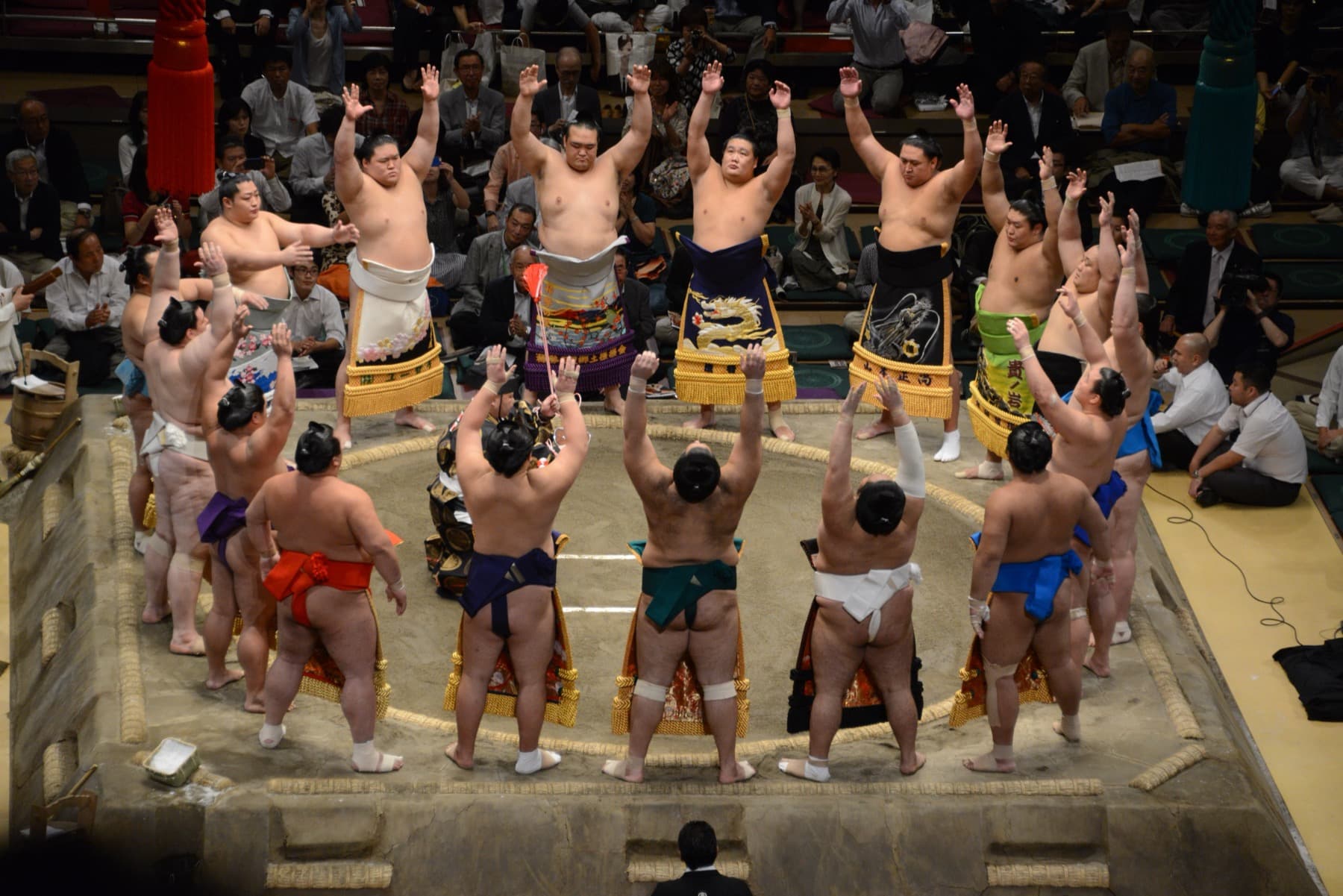
If you watch sumo for the first time, it can seem as if the sport delays itself on purpose. Wrestlers enter, clap, stomp, throw salt, crouch, stand again, and repeat the sequence before a bout that may end in seconds. But that delay is not ornamental. It is part of what sumo is. The ritual prepares the body, frames the contest, and reminds spectators that the ring is not just a sports surface.
Why so much happens before the bout starts
For many spectators used to fast-paced sports broadcasting, the rhythm of sumo can feel unusual. The buildup before the clash is long, measured, and highly visible. Wrestlers repeat movements, return to their corners, and re-enter the center of attention in a sequence that makes the actual collision feel earned rather than sudden.
That pacing is essential because sumo presents the contest as something larger than brute impact. The wrestlers are not only testing strength. They are stepping into a formalized space with rules of posture, timing, and presence. The delay builds seriousness. It turns anticipation into part of the event itself.
What the salt, stomping, and ring ceremony mean
Some of the best-known gestures in sumo are easy to recognize even if you do not know the vocabulary. Wrestlers throw salt into the ring, stamp forcefully, and raise their bodies in broad, controlled motions. These acts are often explained through purification, display, and readiness. They connect the physical contest to older ceremonial logic associated with Shinto ideas of cleansing and sacred space.
The ring-entering ceremony makes this connection especially clear. When wrestlers gather around the referee in patterned belts and coordinated movement, the scene feels almost theatrical, but it is not theater in the casual sense. The point is to show order, hierarchy, and continuity before competition reduces everything to a few seconds of force.
Why ritual changes how the audience reads the sport
Without the ritual layer, sumo would still be impressive, but it would feel narrower. Ceremony expands the meaning of the match. It reminds viewers that what happens in the ring belongs to an inherited system of gestures, ranks, expectations, and public behavior. The audience is not only waiting for a winner. It is also watching how the wrestlers inhabit tradition.
For beginners learning about Japan, sumo is useful precisely because it makes continuity visible. You can see how a modern ticketed event, broadcast to large audiences, still preserves a strong ceremonial frame. That balance between present-day entertainment and historical form appears in many parts of Japanese culture, and sumo makes it easy to grasp.