What is noren in Japan? Why fabric shop curtains say more than a sign
What noren in Japan are, why they matter beyond decoration, and how these fabric curtains shape the threshold between street, shop, and atmosphere.
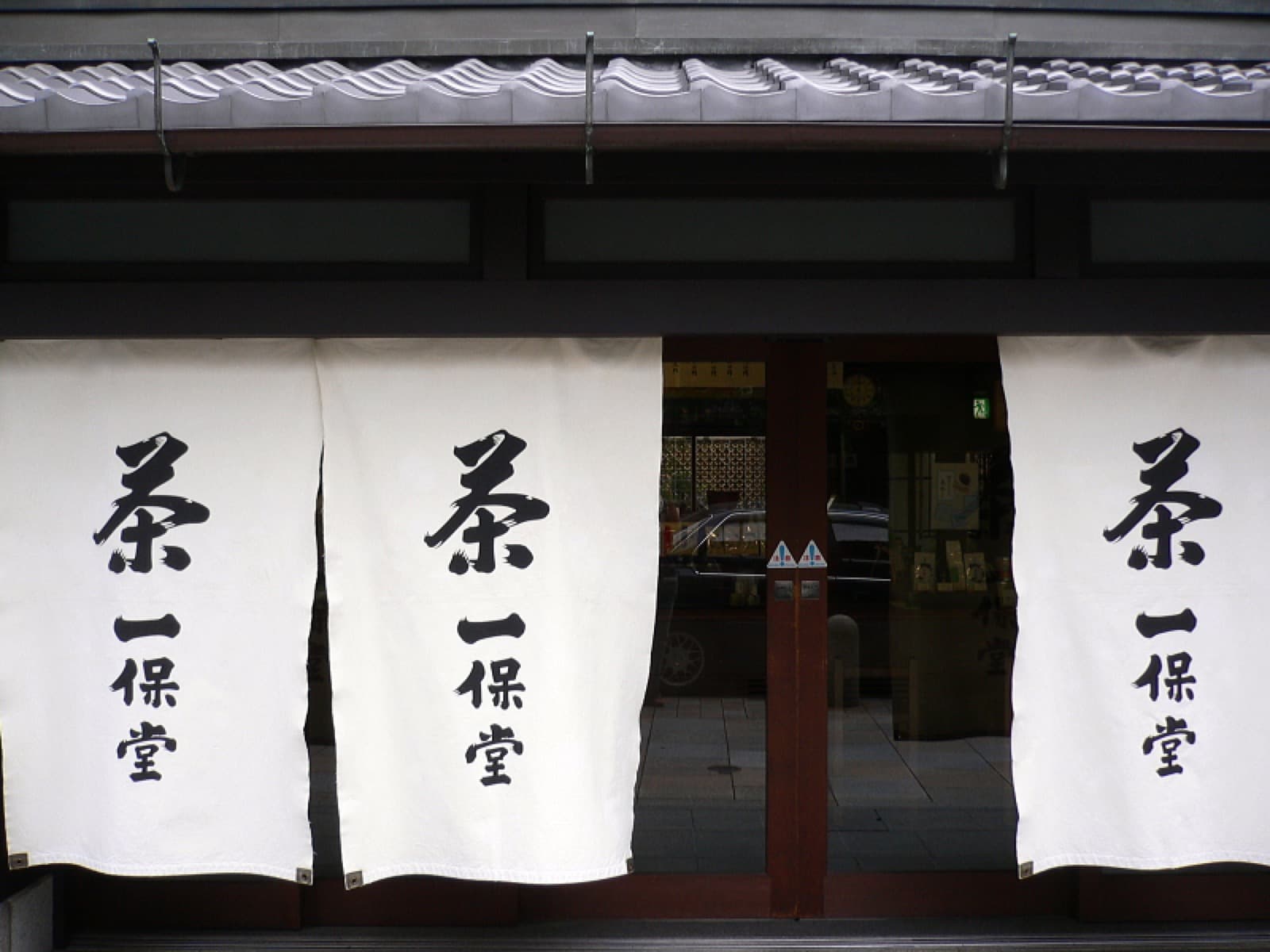
Noren in Japan are easy to photograph and easy to underestimate. At first they look like simple fabric curtains hanging over a doorway, often split down the middle. But noren do much more than decorate an entrance. They soften the boundary between street and interior, carry the name or identity of a business, and create a first impression before you even step inside.
Why noren are more than decoration
A noren marks an entrance, but it does so softly. Instead of a hard door or a large commercial sign, it creates a partial screen that suggests welcome while still preserving a little separation. This is one reason noren feel so characteristic in restaurants, tea shops, inns, and bathhouses. They shape the mood before the interaction starts.
Because they move with wind, light, and people passing through, noren also make an entrance feel alive. They are practical objects, but they carry emotional weight. The threshold becomes less abrupt and more atmospheric.
How businesses use noren to signal identity
Many noren include a shop name, crest, or color choice that quickly communicates the kind of place you are entering. Even when the design is minimal, it can still signal tradition, refinement, informality, or specialty. A customer may read that message before reading any text.
This is why noren often feel stronger than a simple signboard. They do not just label a business. They stage the entrance. The cloth, the typography, the wear, and the way it hangs all contribute to how the place is perceived from the street.
What noren reveal about Japanese visual culture
Noren show how Japanese design often relies on controlled suggestion rather than maximum visibility. The point is not always to announce everything loudly. Sometimes it is to create a recognizable cue that lets atmosphere, material, and restraint carry part of the message.
For language learners, noren are useful because they sit at the intersection of text and environment. You may see kanji, family names, or shop marks in a context where the fabric itself is already telling you something. It is a small but memorable example of how Japanese public space communicates through layering instead of excess.