Koinobori meaning in Japan: Why carp streamers appear before Children's Day
A simple guide to koinobori in Japan, including why carp streamers are displayed, what they symbolize, and when people notice them most.
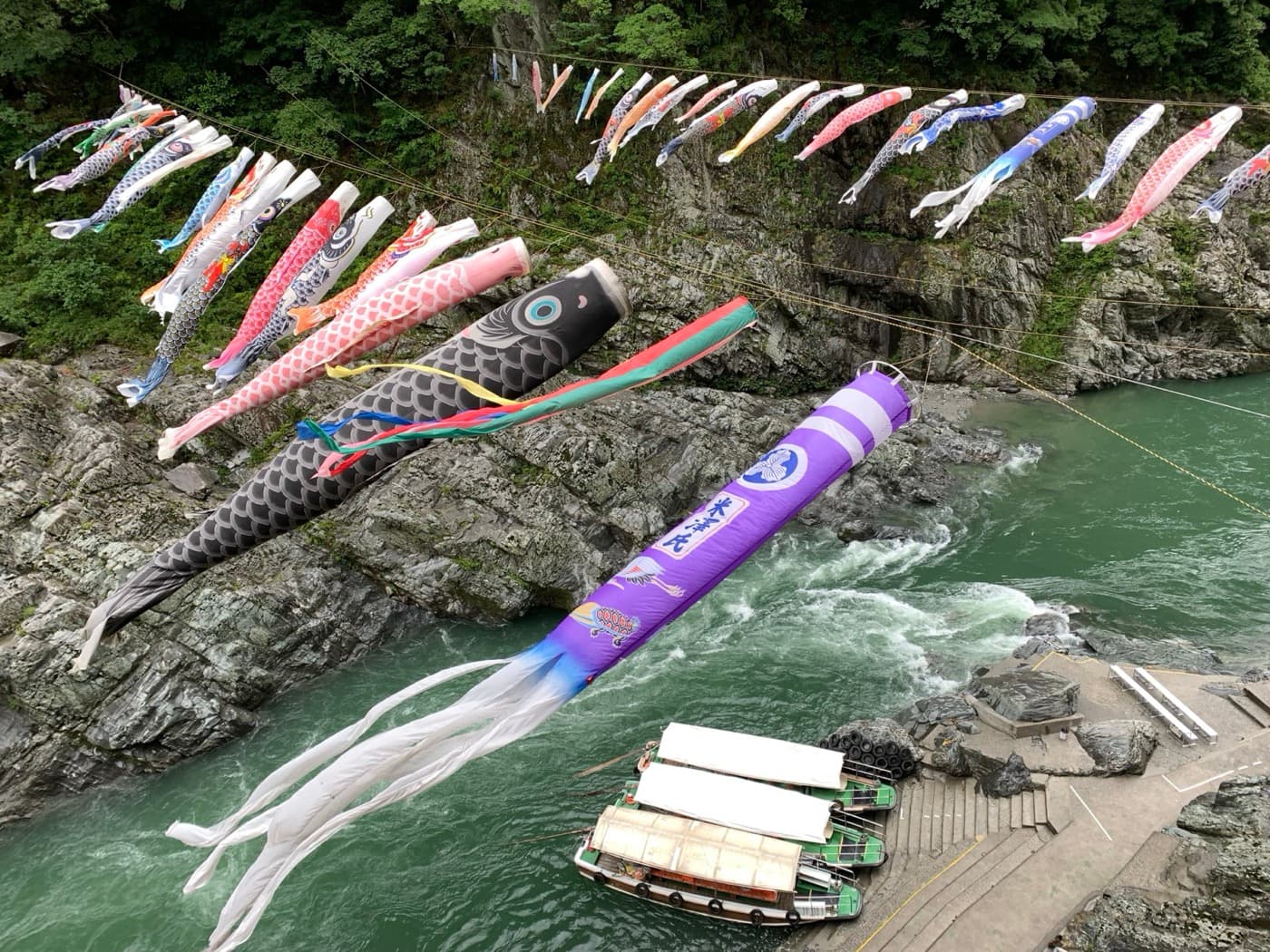
Koinobori are some of the most joyful seasonal objects in Japan. Carp-shaped streamers ripple above houses, schools, and riversides in late spring, and the movement alone makes them memorable. But their popularity comes from more than color. They carry a clear message about growth, resilience, and the hopes adults project onto children.
What koinobori are
Koinobori are carp-shaped windsocks displayed in Japan in the period leading up to Children's Day on May 5. They are often hung outside homes, schools, public spaces, and riverbanks where the wind can animate them fully. That movement is part of their charm because it makes the decoration feel alive rather than fixed.
The carp shape matters. In Japanese symbolism, the carp is associated with strength and persistence, especially through the image of a fish swimming upstream. Koinobori turn that idea into a seasonal visual statement about children growing with energy and resilience.
Why families display carp streamers
Koinobori are tied to family hope. They are not simply cute decorations for spring. By raising them, adults express wishes for children to grow healthy, capable, and brave. The display makes those hopes public in a gentle way, which is why the streamers feel festive without becoming sentimental in an overly private sense.
Different households may use different sets or arrangements, but the emotional logic remains stable. The streamers turn aspiration into something visible in the shared environment. Neighbors, schools, and passersby all see the same signs moving in the wind, which gives the season a collective mood.
Why koinobori remains so memorable
Koinobori stays memorable because it combines symbolism with landscape. The streamers often appear against blue sky, rivers, bridges, and green hills, so the image feels spacious and optimistic. That visual openness helps explain why photos of koinobori travel so easily and why visitors remember them even after a short trip.
For learners, koinobori is a useful example of how Japanese seasonal culture often works. A symbolic object does not stay inside the home alone. It enters public view, marks a calendar moment, and teaches meaning through repetition. The result is a tradition that feels both intimate and widely shared.