What is furoshiki in Japan? Why cloth wrapping still feels elegant and practical
A simple guide to furoshiki in Japan, from reusable cloth wrapping and gift etiquette to why the practice still feels modern.
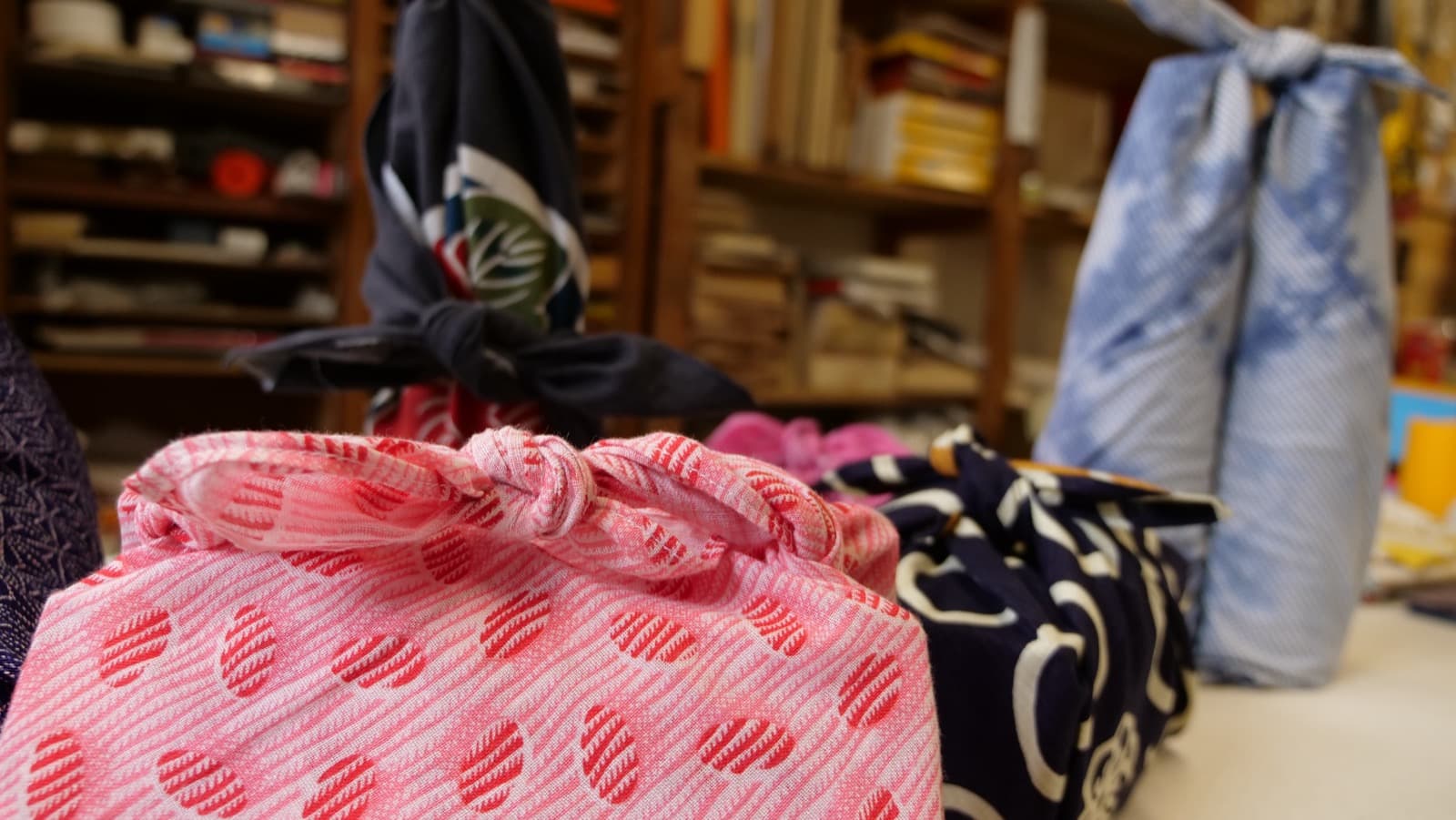
Furoshiki looks beautiful at first glance, but its durability comes from being useful. A square of cloth can wrap a gift, protect a lunch box, carry a bottle, or make something ordinary feel considered. That combination of beauty and practicality explains why furoshiki still makes sense in Japan today.
What furoshiki actually is
Furoshiki is a square piece of cloth used in Japan to wrap, carry, and present objects. The cloth itself can be plain or decorative, but the main idea is flexibility. Instead of depending on a single fixed container, the shape adapts to whatever needs to be held inside.
That makes furoshiki easy to misunderstand as a niche craft or formal gift technique. In reality, it sits between tradition and practicality. It can look refined in a department store setting, but it also makes sense for daily tasks because it folds away, travels easily, and can be reused again and again.
Why wrapping matters so much
In Japan, presentation often carries social meaning. A wrapped item suggests that the giver considered not just the object itself but also the moment of exchange. Furoshiki supports that logic because the wrapping feels intentional without becoming wasteful or rigid.
This is one reason cloth wrapping remains attractive even now. It softens the line between practical packaging and gesture. A bottle, a lunch box, or a small gift can feel more personal when it arrives enclosed in fabric rather than disposable paper or plastic. The wrapping becomes part of the message.
Why furoshiki still feels modern
Furoshiki has regained attention partly because it aligns with contemporary concerns about waste and reuse. A single cloth can be used repeatedly in ways that ordinary packaging cannot. That ecological advantage matters, but it is not the only reason the practice survives.
The stronger reason is that furoshiki still fits how many people want everyday objects to feel: useful, neat, and slightly more thoughtful than the fastest possible option. For learners, it is a good example of how Japanese design traditions often last because they remain functional, not because they are preserved as museum habits.