Japan capsule hotels: Why they work better than most first-time visitors expect
A practical look at capsule hotels in Japan, from privacy and noise to who enjoys them most and why the format still feels surprisingly efficient.
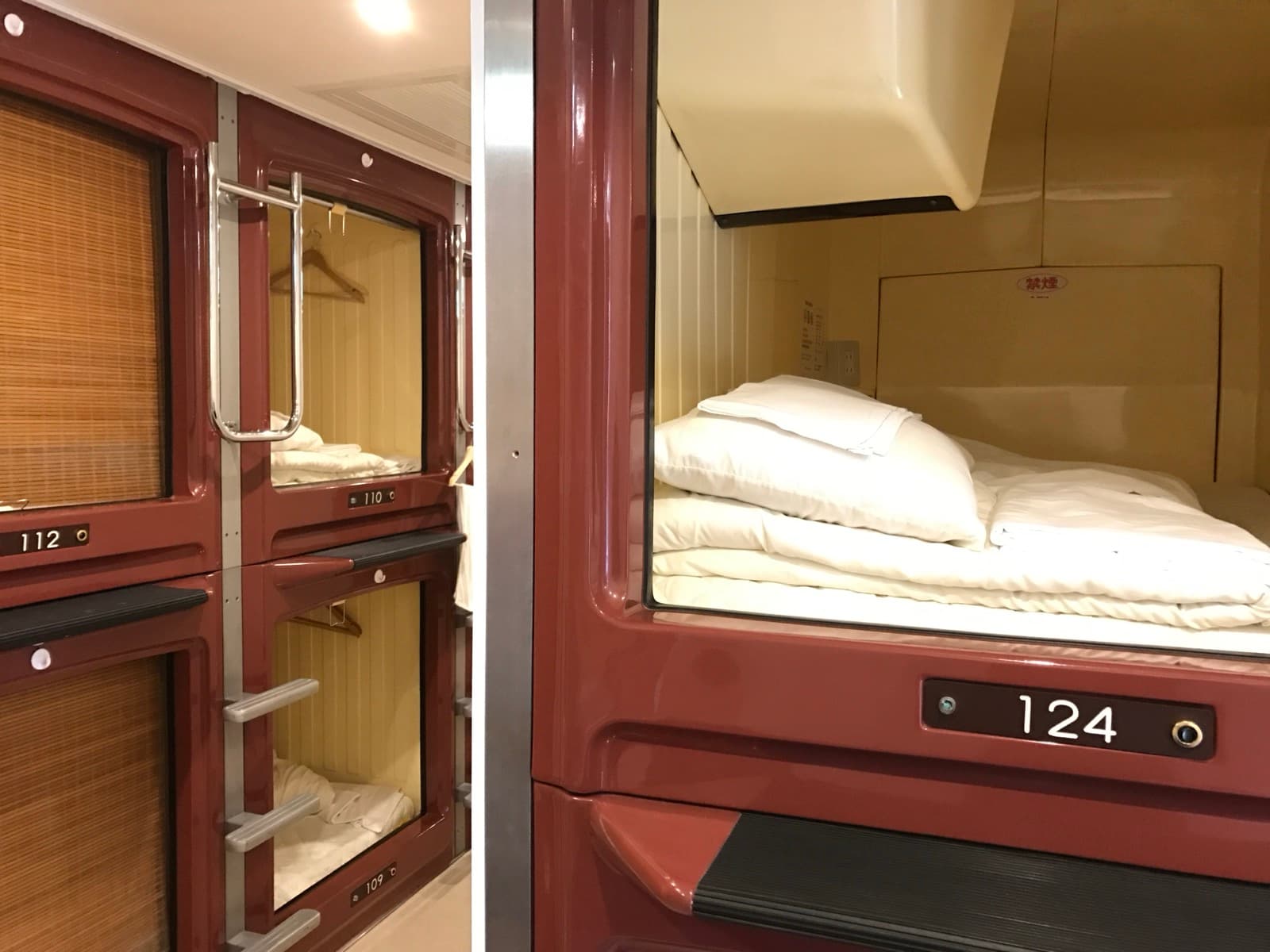
Japan capsule hotels sound extreme if you imagine them as a novelty trap. In practice, the format is much easier to understand when you see it as a highly compressed answer to one urban problem: people need a clean, predictable place to sleep without paying for space they will barely use.
The problem capsule hotels actually solve
A capsule hotel in Japan makes the most sense in dense city areas where people need one night of rest close to a station, nightlife district, or early departure point. The room is reduced to the part that matters most for that situation: a bed, light, ventilation, a shelf, and enough enclosure to disconnect from the corridor outside.
That is why the format has survived for so long. It is not trying to replace a full hotel for every kind of trip. It is solving a narrower need with much lower spatial overhead, and in Japan that kind of efficient specialization often wins if the service is clean and predictable.
How privacy works in such a small space
First-time visitors often focus on the size of the pod, but the more important detail is the separation between sleeping and living functions. Showers, lockers, changing rooms, sinks, lounges, and vending areas are moved into shared zones. Once those zones are well run, the pod itself stops feeling like a stunt and starts feeling like a sleeping compartment.
Privacy is real, but it is partial. You get your own enclosed place to rest, yet you also accept a social contract around noise, light, and movement. That balance is typical of Japanese shared design: the individual comfort is protected by a system that expects everyone to behave in a measured way.
Who will like them and who should skip them
Capsule hotels usually work well for solo travelers, short stays, and people who already know they will spend most of the day outside. They are also a good window into Japanese design logic because they show how compact spaces can still feel orderly, calm, and useful when every function has a clear place.
They are less ideal if you need room for large luggage, a private workspace, or the freedom to unpack and spread out. In that sense, the question is not whether capsule hotels are good or bad. It is whether your trip fits the exact urban rhythm they were built for.