Japanese tea ceremony meaning: Why every movement feels deliberate
How tea ceremony turns hospitality, attention, and shared space into a sequence of small actions that still feel relevant today.
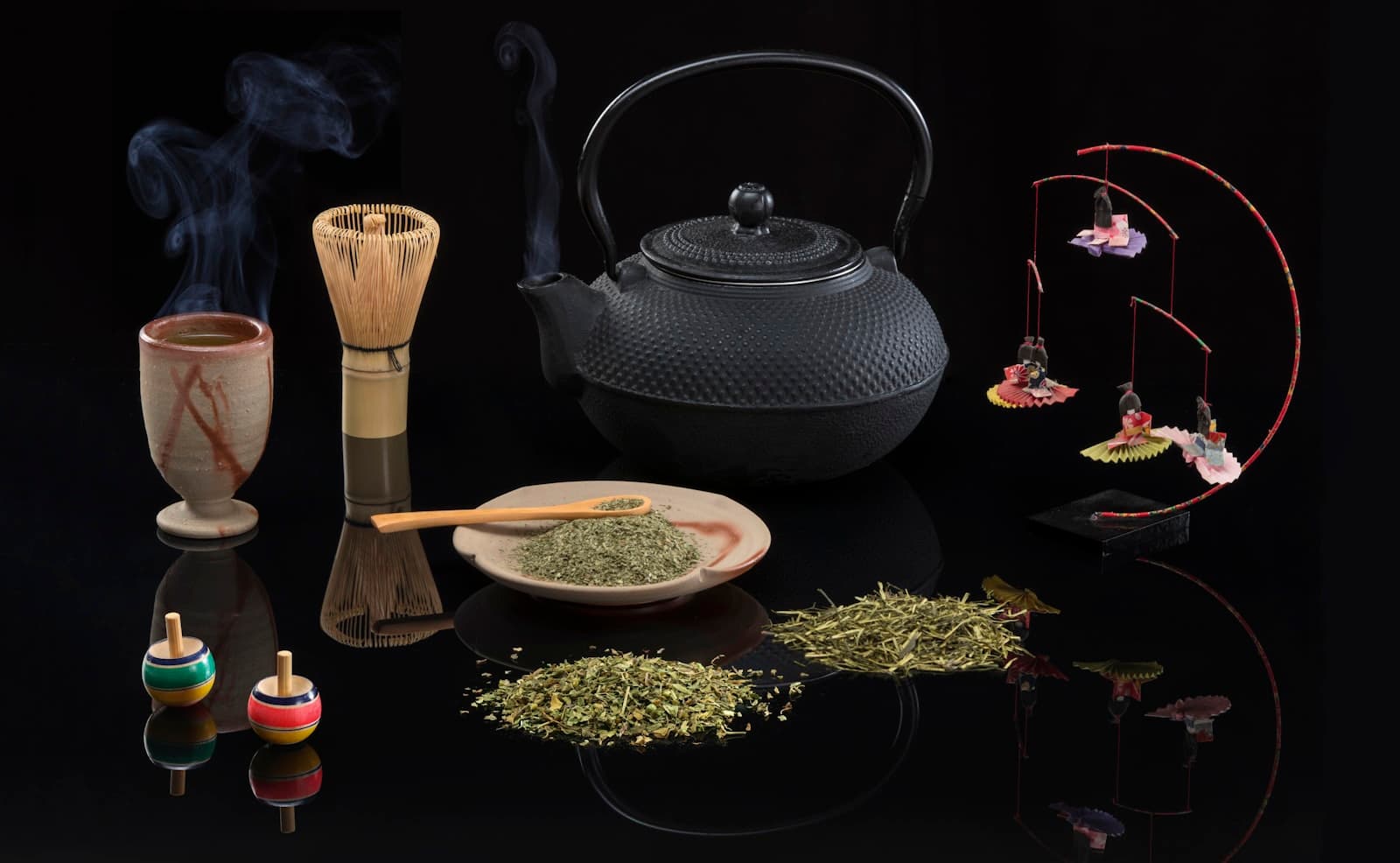
The meaning of the Japanese tea ceremony becomes clearer when you stop looking for spectacle and start looking at attention. Each movement matters because it shapes how host, guest, space, and object relate to one another.
Why the tea ceremony feels different from ordinary tea
A search for Japanese tea ceremony meaning can easily end in abstract words such as harmony, respect, purity, and tranquility. Those ideas are real, but they become easier to grasp when attached to action. The ceremony slows things down enough that ordinary gestures begin to communicate intention very clearly.
Preparing tea, receiving it, turning the bowl, and noticing the utensils are all simple on paper. What gives them weight is the shared agreement that none of those moments should be treated carelessly. Attention itself becomes part of the hospitality.
Why every movement appears so deliberate
The ceremony is designed so that motion carries meaning. A utensil is handled in a specific way, the room is entered with awareness, and the sequence gives each step a place. Deliberateness does not exist to impress the guest. It exists to make care readable and to keep the encounter centered.
That helps explain why tea ceremony still matters as a cultural reference. Even people who never practice it closely understand that it represents a disciplined way of relating to objects, time, and other people. The point is not speed. The point is precision with social meaning.
Why it stays relevant for learners
Tea ceremony is memorable for beginners because it links several larger themes at once: seasonal awareness, hospitality, room etiquette, material culture, and the importance of small gestures. A single scene can therefore hold a surprising amount of cultural vocabulary without feeling overloaded.
It also offers a useful correction to a common misunderstanding. Japanese culture is not always about complexity for its own sake. Often the deeper effect comes from making a few actions more intentional. That idea is easier to remember than a long list of ceremonial facts.