Japanese pickles guide: why tsukemono matter far beyond the side of the plate
What Japanese pickles are, why tsukemono appear with so many meals, and how these small bites carry seasonality, balance, and regional identity.
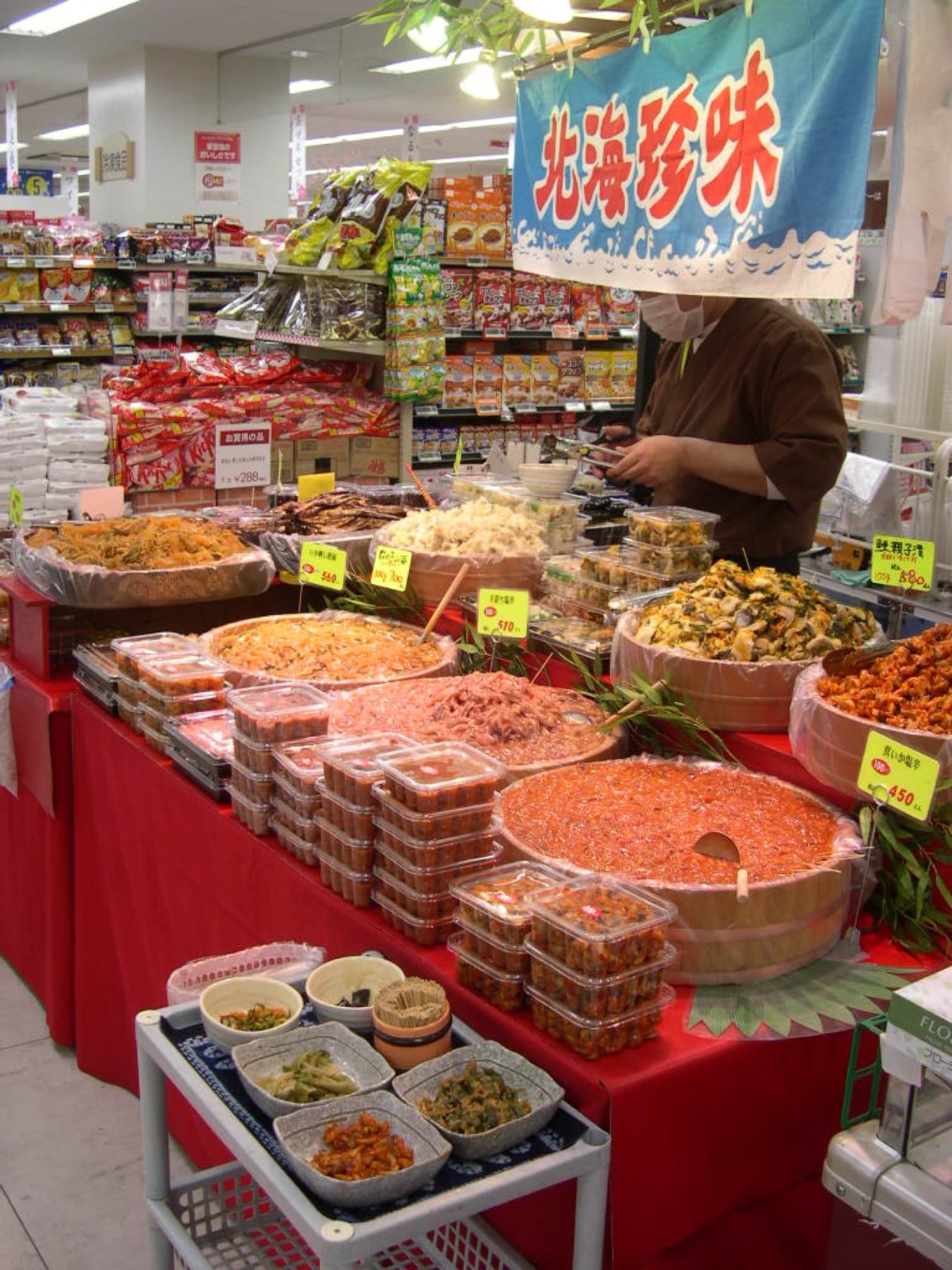
Japanese pickles can look minor if you judge them by portion size. A few slices next to rice or soup may seem like an afterthought compared with the main dish. But tsukemono are one of the easiest ways to understand how Japanese meals are balanced. They add acidity, texture, color, and timing, and they often carry a stronger sense of season and place than the most obvious part of the plate.
Why tsukemono are more important than they first look
A Japanese meal often depends on contrast rather than sheer volume. Rice, soup, grilled fish, simmered vegetables, and pickles each do a different job. Tsukemono help reset the mouth, sharpen appetite, and make the rest of the meal feel more clearly defined. That is why a tiny portion can matter so much.
Because they are small, people sometimes treat them as decorative. In practice, they are structural. Without that acidic or salty edge, the meal can feel flatter. Japanese pickles are one of the quiet tools that keep familiar foods from becoming heavy or monotonous.
Why pickles say so much about season and place
Tsukemono are not a single recipe but a broad category that includes different ingredients, methods, and local preferences. Vegetables can be salted, fermented, pressed with rice bran, soaked in soy-based mixes, or prepared in ways that reflect regional taste. That variety makes Japanese pickles a useful map of both climate and household technique.
This is also why pickle stalls and specialty counters are so revealing. They show how strongly everyday food is tied to seasonality and preservation. A pickle is not only a flavor accent. It is often a record of when an ingredient was abundant and how a community learned to extend its usefulness.
What tsukemono teaches you about Japanese food culture
Japanese food culture is often described through famous dishes such as ramen, sushi, or tempura. Tsukemono point to a quieter truth: many meals depend on small adjustments more than grand centerpiece cooking. The goal is often balance through contrast, not dominance by one flavor. Pickles fit that logic perfectly.
For learners, tsukemono are useful because they connect food vocabulary to daily habit. They appear in supermarkets, breakfast sets, home cooking, bento, and regional souvenir shops. Once you start noticing them, you see how much Japanese cuisine values the supporting details that make a meal feel complete.