What is ekiben in Japan? Why station bento became part of train travel
A practical guide to ekiben in Japan, from station lunch boxes and regional ingredients to why eating on the train can feel like part of the trip itself.
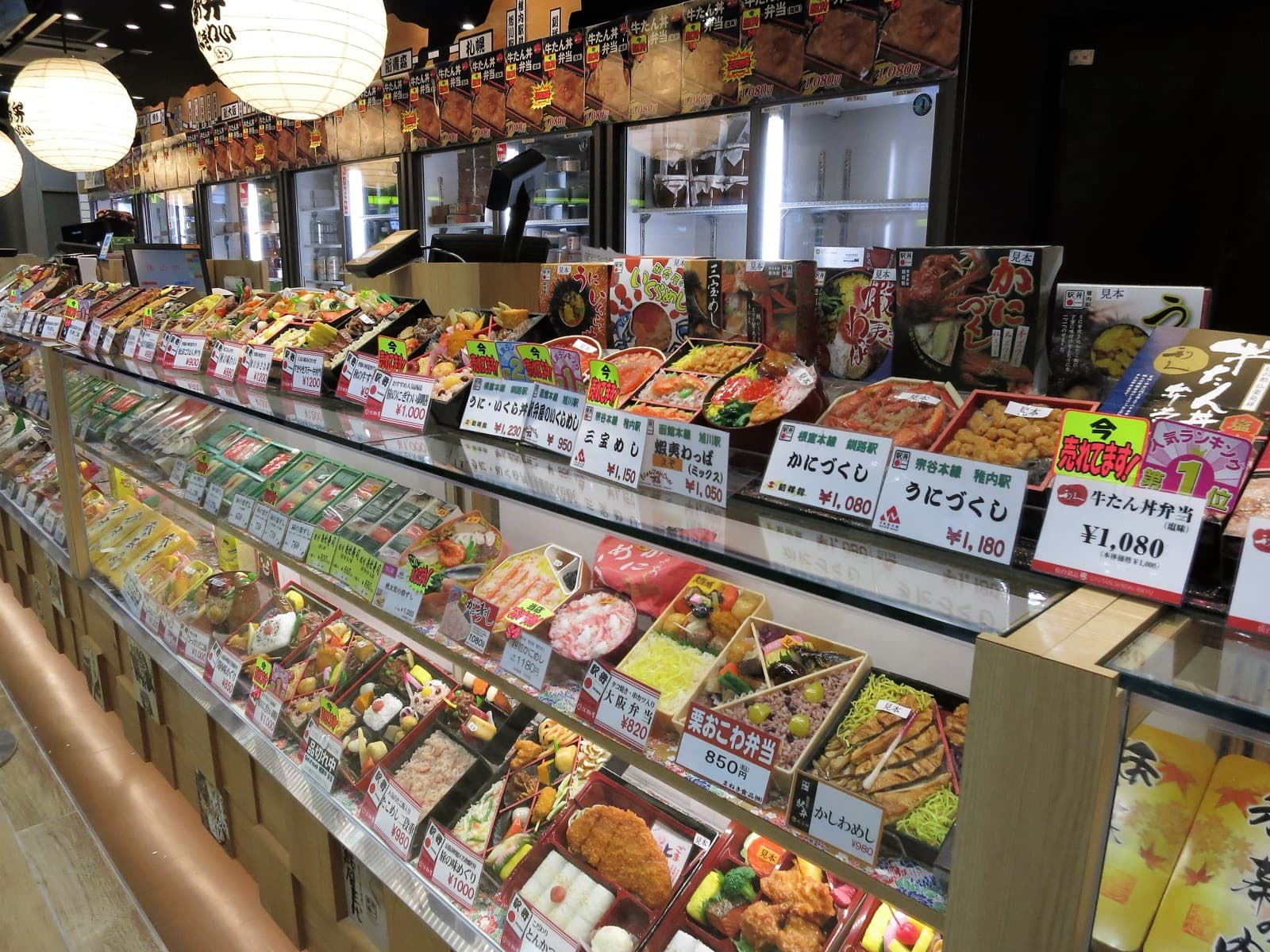
Ekiben is more than a convenient meal bought before boarding a train. In Japan, the station bento turns travel time into a food ritual by connecting the route, the platform, and the flavors of a specific place in one compact box.
Why ekiben feels different from an ordinary packed lunch
The word ekiben combines station and bento, which already explains the core idea. These meals are tied to rail travel, not just to eating. Buying one on the platform makes the trip feel staged in a particular way, as if departure and lunch belong to the same experience.
That is why people often remember the box as much as the food. The packaging usually emphasizes route, region, or season. Even before opening it, the meal tells you that where you are matters.
How regional identity gets packed into the box
A strong ekiben often includes ingredients associated with the surrounding area, whether that means local beef, crab, mountain vegetables, or a style of rice preparation known in that prefecture. The meal becomes a compact edible introduction to the region rather than a neutral snack.
This matters because Japanese domestic travel often prizes small local distinctions. Souvenirs, sweets, and station foods all help travelers notice that moving from one city to another can also mean moving into a slightly different food landscape.
Why ekiben still matters in modern Japan
Fast travel could have made station food purely functional, but ekiben survived because it adds pleasure to the journey instead of only solving hunger. Eating on the train creates a marked pause between departure and arrival. The meal becomes part of the narrative of the trip.
For learners interested in Japan, ekiben is a useful example of how convenience and care often coexist. The lunch box is efficient, portable, and easy to buy, but it still carries local pride, presentation, and seasonality. That combination says a lot about everyday Japanese food culture.