Japan convenience stores guide: Why konbini feel essential, not optional
A practical look at why konbini shape daily life in Japan through food, payments, logistics, and the quiet promise of reliability.
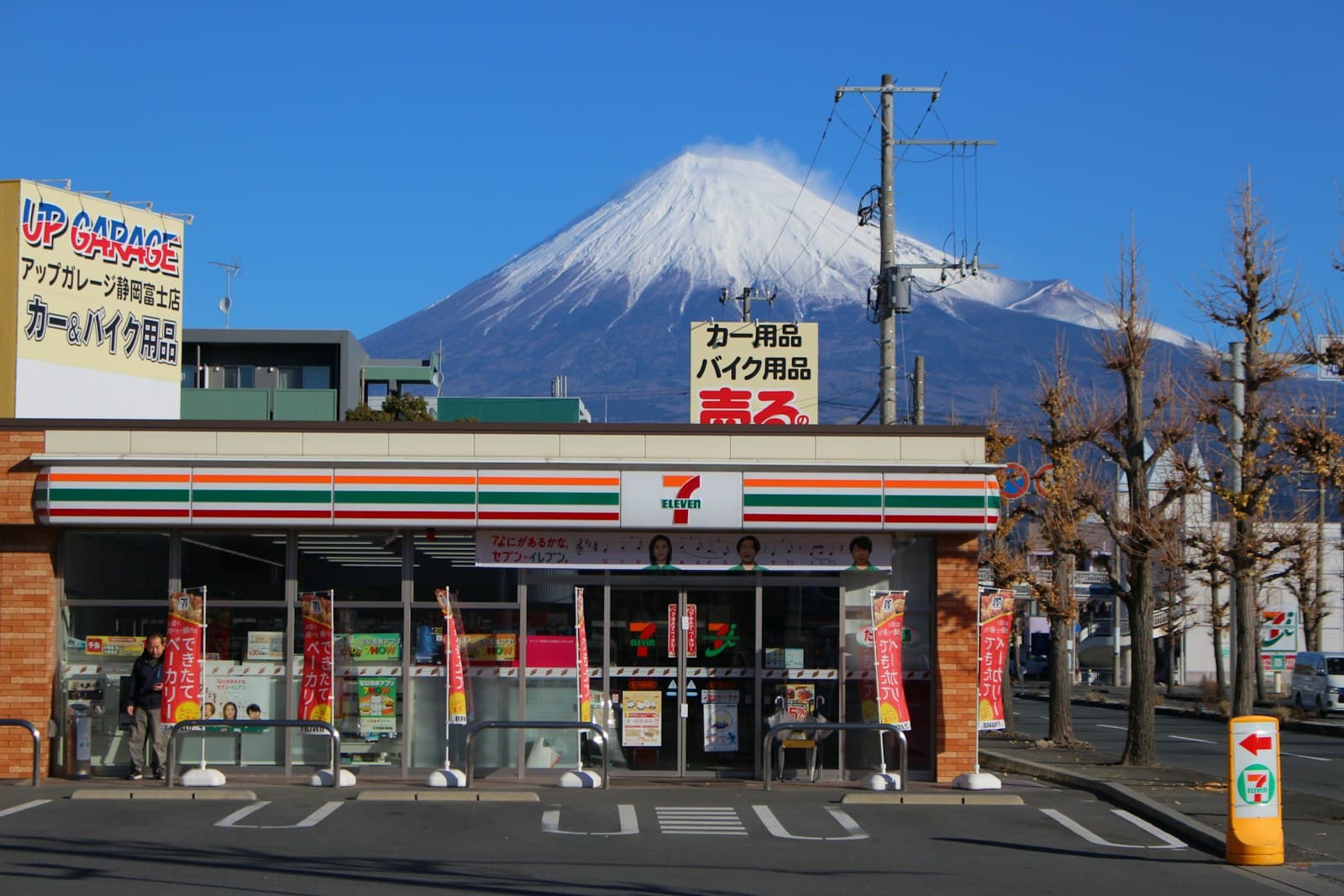
Japan convenience stores are not memorable just because they are tidy or full of snacks. They matter because they compress food, logistics, payments, and routine into one place that people can rely on almost without thinking.
Why konbini became part of the national rhythm
A Japan convenience stores guide makes more sense when it starts with function instead of aesthetics. Konbini are woven into commutes, lunch breaks, school schedules, travel transfers, and late-night errands, so they feel less like retail destinations and more like dependable extensions of the street.
That is why the category feels different from a generic corner shop. The value is not only that one is nearby, but that the same store can solve several small problems quickly: buy breakfast, print a document, pay a bill, pick up cash, or grab something decent to eat before the next train.
What people actually use them for
Food is the obvious entry point, but it is only part of the story. Rice balls, sandwiches, salads, hot snacks, and seasonal desserts make the stores easy to remember, yet the real strength comes from how those products sit beside practical services. The result is a compact place that supports everyday movement.
Travelers often notice the variety first, while residents notice the predictability. Shelves are organized, labels are clear, and the experience is designed to reduce friction. Even when the choice changes by season or region, the logic stays familiar enough that people can move through the store almost automatically.
Why this matters for learning Japan
Konbini are useful cultural anchors because they connect vocabulary to real scenes. Words related to rice balls, reheating food, receipts, ATMs, umbrellas, and parcel pickup stick more easily when they belong to an everyday setting that feels concrete and repeatable.
They also reveal something broader about Japan: convenience is often presented through order, predictability, and care rather than spectacle. That is part of why the subject works well inside DarumaGo's editorial approach. It links language study to places people can imagine clearly instead of to abstract explanations.