Japan ramen guide: How to order, eat, and notice regional styles
A practical Japan ramen guide for first-time visitors who want to understand ticket machines, broth styles, toppings, and the fast rhythm of ramen shops.
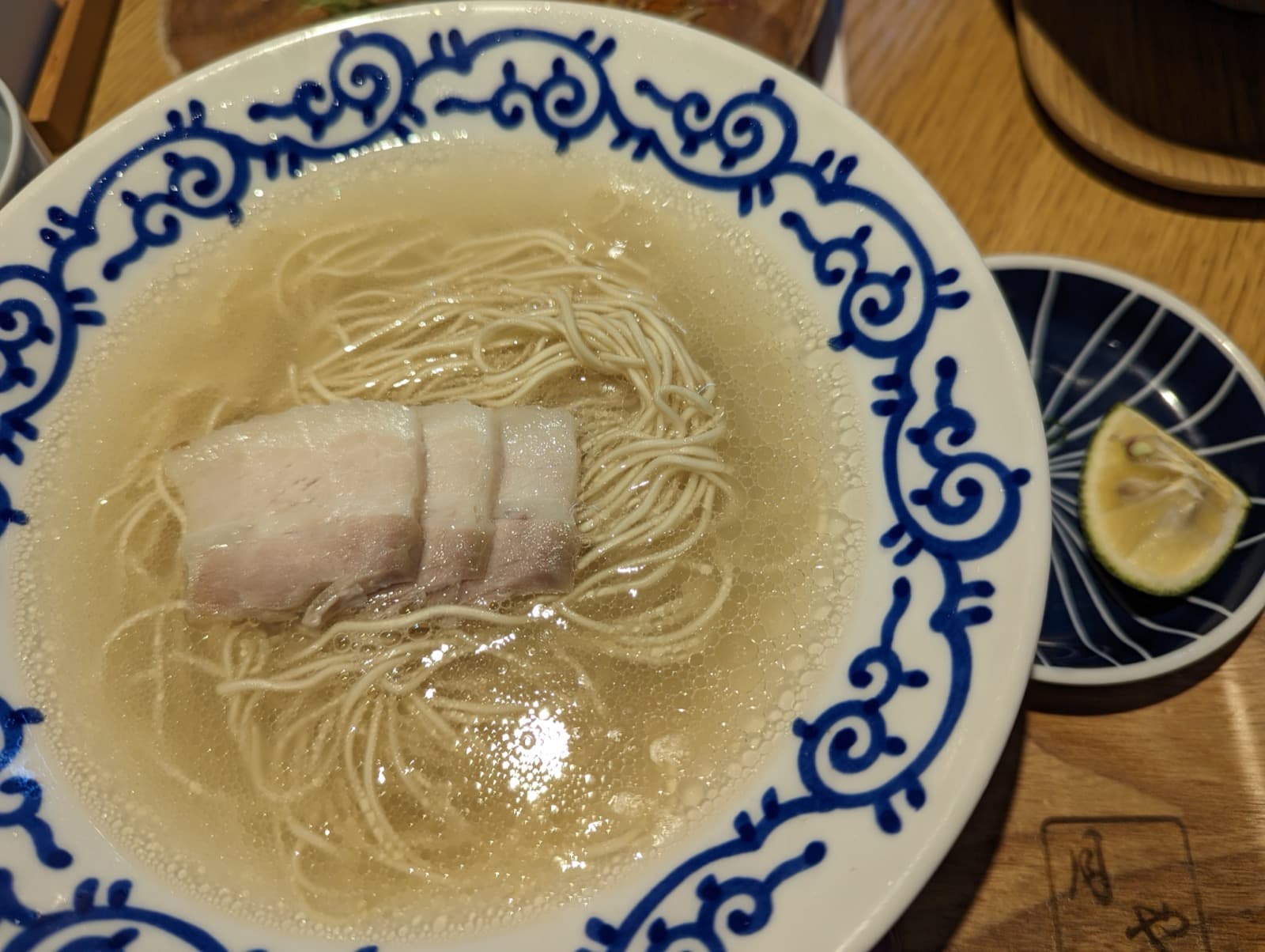
A good Japan ramen guide is less about finding one perfect bowl and more about learning the logic of the shop. Ordering speed, broth vocabulary, and the pace of eating all shape why ramen feels so specific inside Japanese daily life.
Why ramen shops feel different from other meals
A Japan ramen guide makes more sense when it starts with the shop itself. Many ramen places are built for quick turnover, compact seating, and a direct path from ordering to eating. That is why the experience can feel brisk even when the bowl is made with obvious care.
For first-time visitors, this rhythm can be surprising. The goal is not to rush people harshly, but to keep the line, the kitchen, and the seating in balance. Once that logic becomes clear, the whole meal feels easier to read.
How ordering usually works
Some shops still take a direct order, but ticket machines are common enough that they become part of the ramen vocabulary travelers remember. You choose the bowl, pay first, and hand the ticket to staff. In some places you can also adjust noodle firmness, richness, or extra toppings.
This system reduces friction because the choice happens before a person sits down. It also changes the emotional tone of the meal. Ordering becomes quick and practical, which helps small shops serve many customers without turning the counter into confusion.
Why regional styles matter
Ramen becomes more interesting once a person stops treating it as one single national dish. Tonkotsu, shoyu, miso, and shio are not tiny technical distinctions. They shape aroma, texture, color, and the kinds of toppings that feel natural with each bowl.
That is why ramen works so well inside a culture-and-language context. Food vocabulary connects to geography, local pride, and repeatable sensory details. A learner remembers more when the bowl is not just tasty, but tied to place and pattern.