Izakaya in Japan: Why casual taverns matter so much after work
What an izakaya is, how ordering usually works, and why these relaxed taverns reveal so much about social rhythm in Japan.
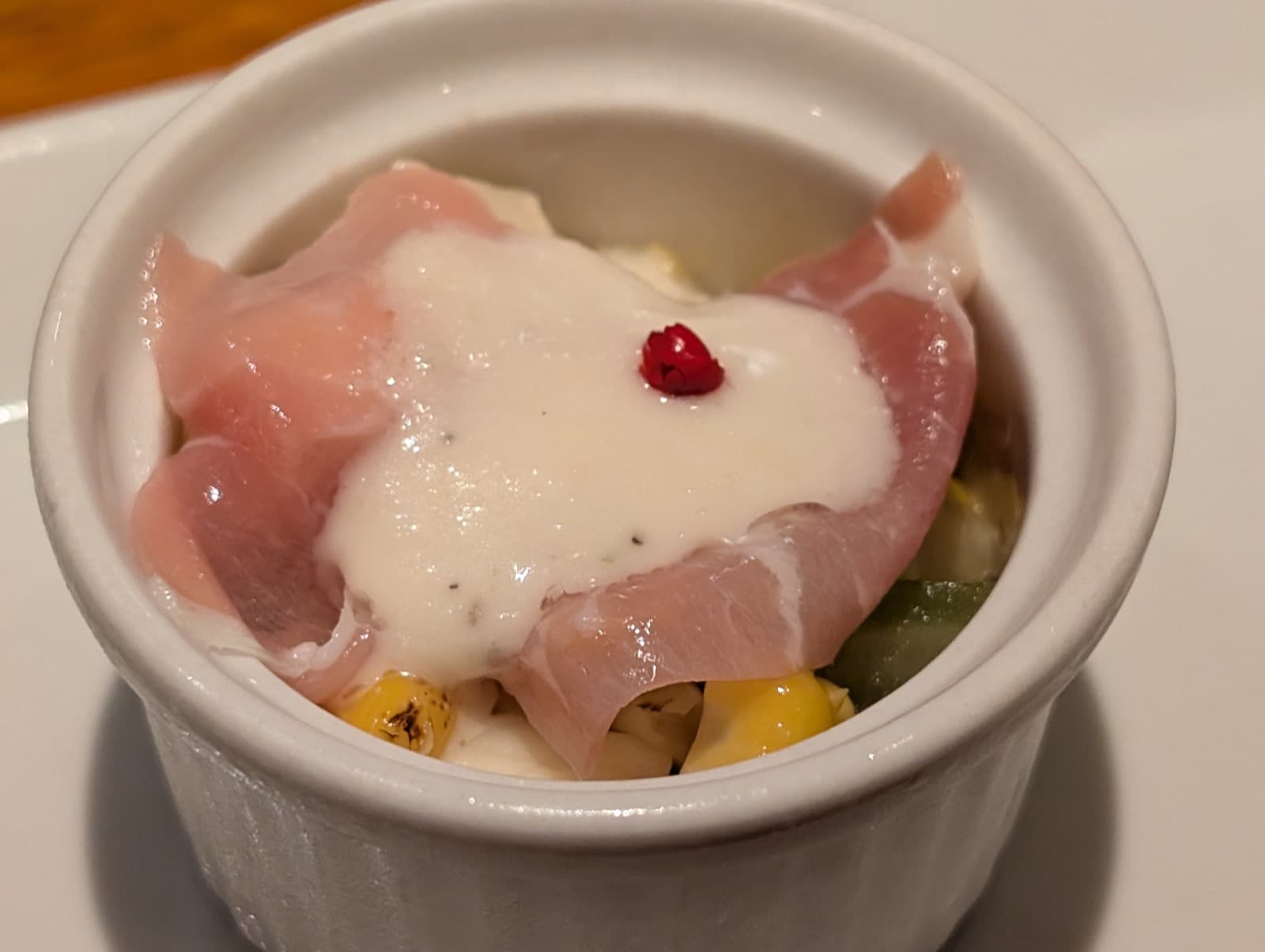
An izakaya in Japan is not just a place to drink. It is a flexible social room where small plates, repeated orders, and easy conversation turn dinner into a shared rhythm rather than a single formal course.
What an izakaya actually is
The easiest way to understand an izakaya is to think of it as a place built for lingering rather than rushing. People order drinks, then add small dishes as the meal unfolds. Instead of one plate arriving as the center of the evening, the table keeps changing shape through skewers, fried food, sashimi, salads, and seasonal specials.
That structure matters because it creates a different mood from a restaurant built around a fixed course or a quick lunch. The meal feels conversational. People react to what is still on the table, what they want next, and how long they plan to stay.
Why izakaya matter so much after work
An izakaya in Japan often sits right where daily movement naturally slows down: near stations, office districts, and neighborhood streets with steady evening foot traffic. That location is part of the logic. The izakaya catches people between obligation and home, giving them a room where the tone can loosen without becoming chaotic.
This helps explain why izakaya feel so closely tied to social rhythm. They are useful for colleagues, friends, and informal reunions because the format is forgiving. A table can be modest or lively, short or long, and the menu is designed to support that elasticity.
Why the word is easy to remember
Izakaya becomes easier to remember once it is tied to a full scene rather than to a dictionary definition. Lantern light, clinking glasses, handwritten specials, compact tables, and dishes meant to be shared give the word a strong sensory anchor. That makes it memorable for learners who want vocabulary attached to real situations.
It also reveals a broader pattern in Japan: many everyday spaces are carefully tuned to a specific social use. Once you understand what an izakaya is, you start noticing how food, timing, and room design work together to shape interaction.