What is depachika in Japan? The food halls hidden under department stores
Why depachika feel more curated than a supermarket, what people actually buy there, and how basement food halls became part of modern Japanese city life.
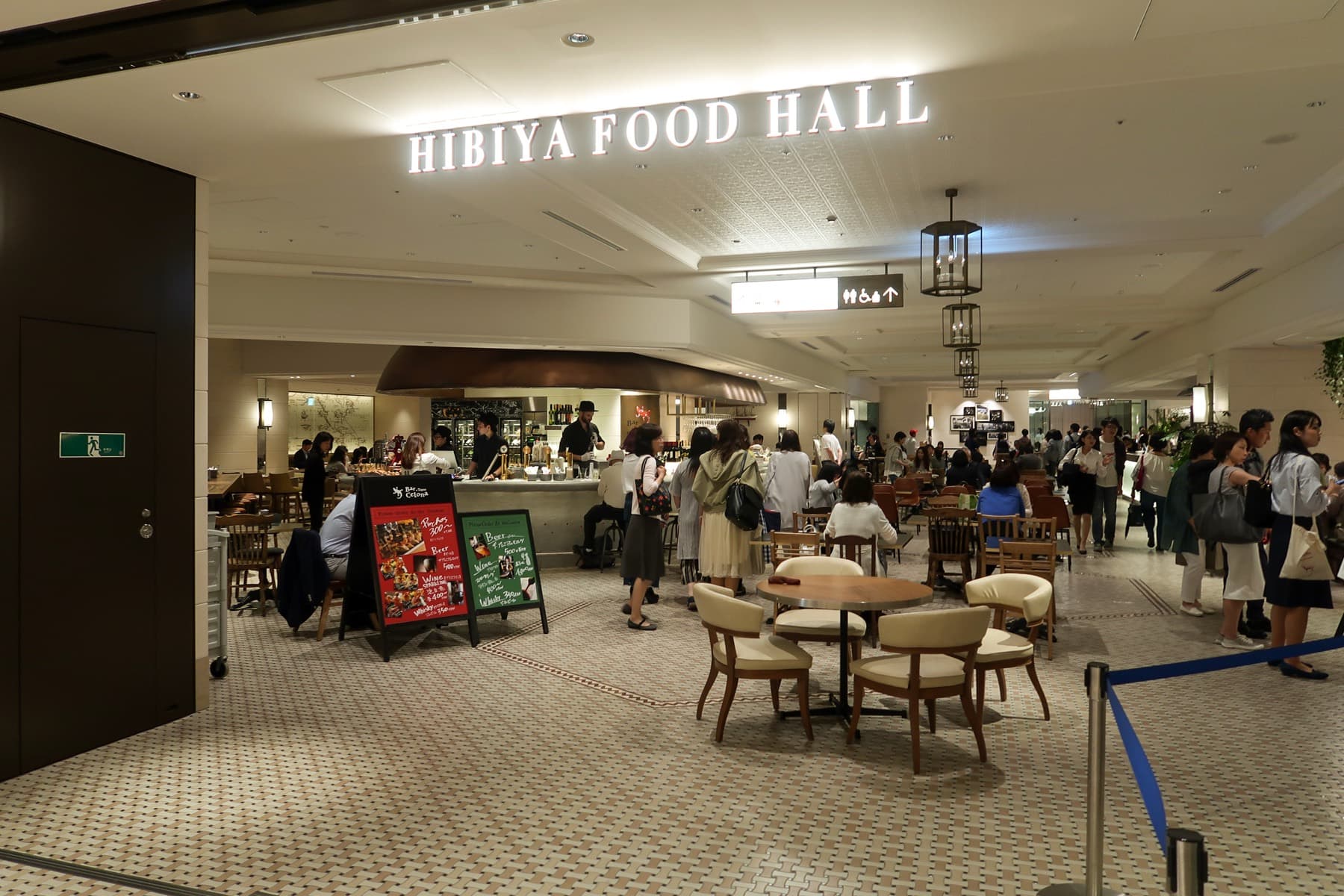
Depachika in Japan are easy to describe and hard to reduce. They are basement food halls inside department stores, but that definition misses the atmosphere: polished counters, immaculate packaging, seasonal displays, and a feeling that everyday shopping has been elevated into something slightly ceremonial.
Why the basement became the perfect place for food
Depachika are built around concentration. In one level you can compare sweets, prepared meals, tea, pickles, bento, bakery items, and regional specialties without moving across a whole neighborhood. That density makes them efficient, but it also creates a kind of food theater where every counter tries to communicate quality in a few seconds.
The basement location adds to that feeling. It is separated from the fashion floors above, yet it still carries the same department store promise of reliability and curation. What you buy there is meant to feel safer, more refined, or more presentable than a purely utilitarian purchase.
More than luxury snacks and gift boxes
Visitors sometimes assume depachika exist only for expensive sweets or gift shopping, but locals also use them for dinner after work, train food, seasonal treats, and high-quality prepared dishes when they do not want to cook. The range matters because it keeps the space connected to daily life instead of turning it into a museum of beautiful packaging.
That mix of ordinary and special is what makes depachika feel distinctly Japanese. A beautifully wrapped confection can sit a few steps away from practical croquettes, salad, or a compact bento. The same place serves hospitality, routine, and impulse in a very controlled visual environment.
What depachika reveal about Japanese food culture
Depachika show how presentation works as part of value in Japan. Freshness matters, of course, but so do wrapping, order, timing, and the sense that the food is ready to enter a social situation, whether that means bringing a box to someone else or taking home something that still feels considered.
For language learners, depachika are useful because they put many layers of food culture into one space: regional names, seasonal keywords, polite signage, and the visual hierarchy of premium versus everyday items. They turn browsing into a compact lesson in how Japanese retail communicates trust.