What is donburi in Japan? Why rice bowls feel fast, filling, and familiar
A beginner-friendly guide to donburi in Japan, from gyudon and katsudon to why one-bowl meals feel so practical in daily life.
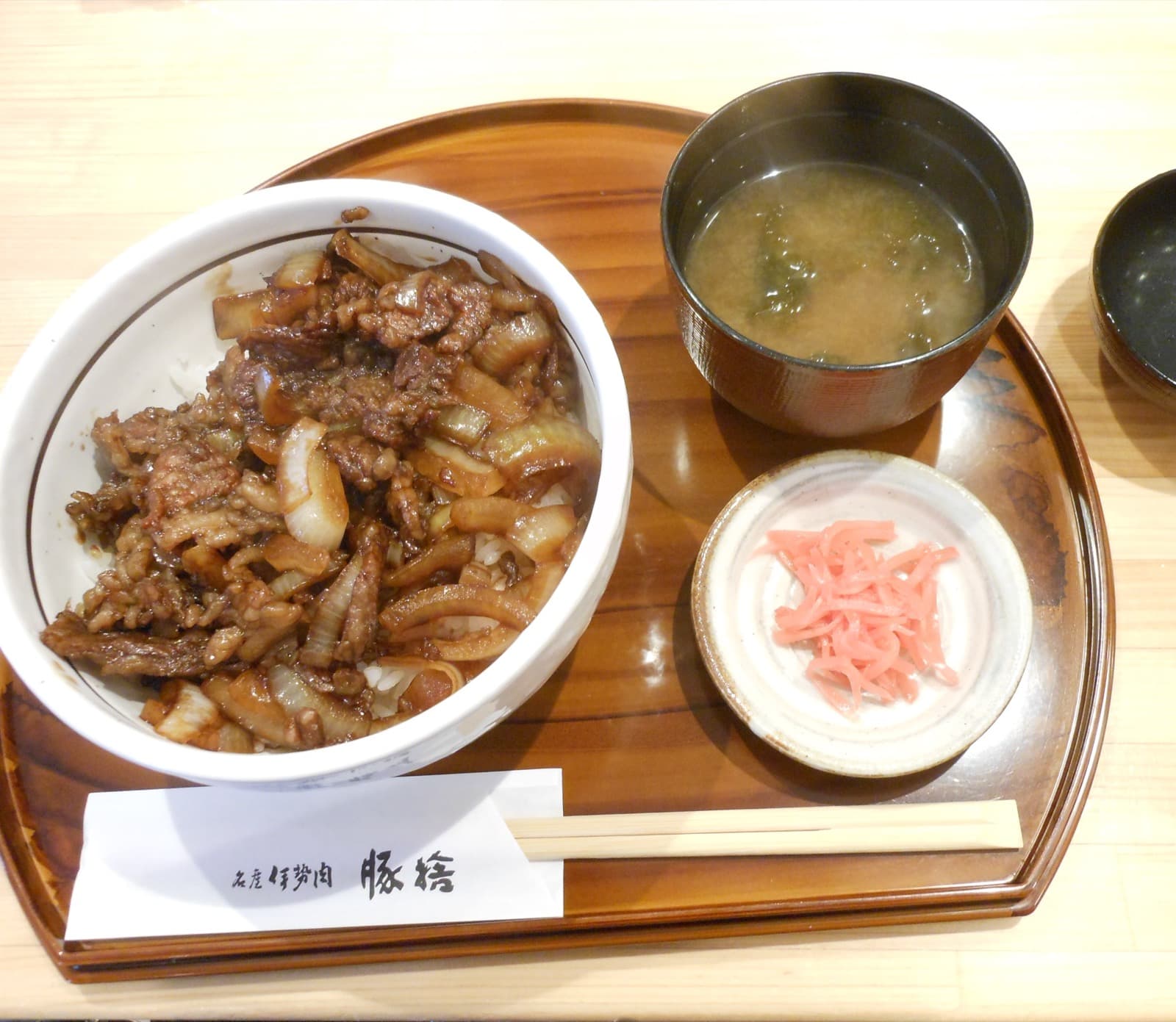
Donburi looks simple because it is meant to be. A bowl of rice topped with meat, egg, vegetables, or sauce brings speed, comfort, and structure together in one dish. That combination helps explain why it became such a durable part of everyday eating in Japan.
Why the one-bowl format works so well
The strength of donburi is not complexity but efficiency. Rice forms the base, the topping gives identity, and the whole meal arrives in a shape that is easy to cook, carry, and finish without much ceremony. That makes it ideal for lunch counters, station meals, and busy evenings.
At the same time, donburi does not feel purely functional. The sauce sinks into the rice, the steam holds everything together, and the bowl itself suggests warmth and completeness. It feels fast, but not disposable.
From gyudon to katsudon and beyond
Many visitors first meet donburi through gyudon, a beef bowl with onions simmered in a lightly sweet-savory broth. But the category is much wider. Katsudon, tendon, oyakodon, and seafood bowls all follow the same basic logic while changing texture, mood, and regional identity.
That variety is one reason the keyword matters for beginners. Once you know what donburi means, menus become easier to decode. You stop seeing isolated dish names and start recognizing a whole family of meals.
What donburi reveals about daily food culture
Donburi shows how Japanese food often balances order and comfort. The bowl looks tidy, but it is not formal. It is satisfying without being elaborate. It respects portion, temperature, and timing while staying accessible enough to be part of ordinary routine.
That is why donburi remains such a strong food keyword for anyone trying to understand Japan. It connects restaurant chains, neighborhood shops, homemade meals, and food vocabulary in one very usable concept.