Eki stamp in Japan: Why train station stamps became a travel ritual
A practical guide to eki stamp culture in Japan, where to find station stamps, why people collect them, and how they turn ordinary transit into memory.
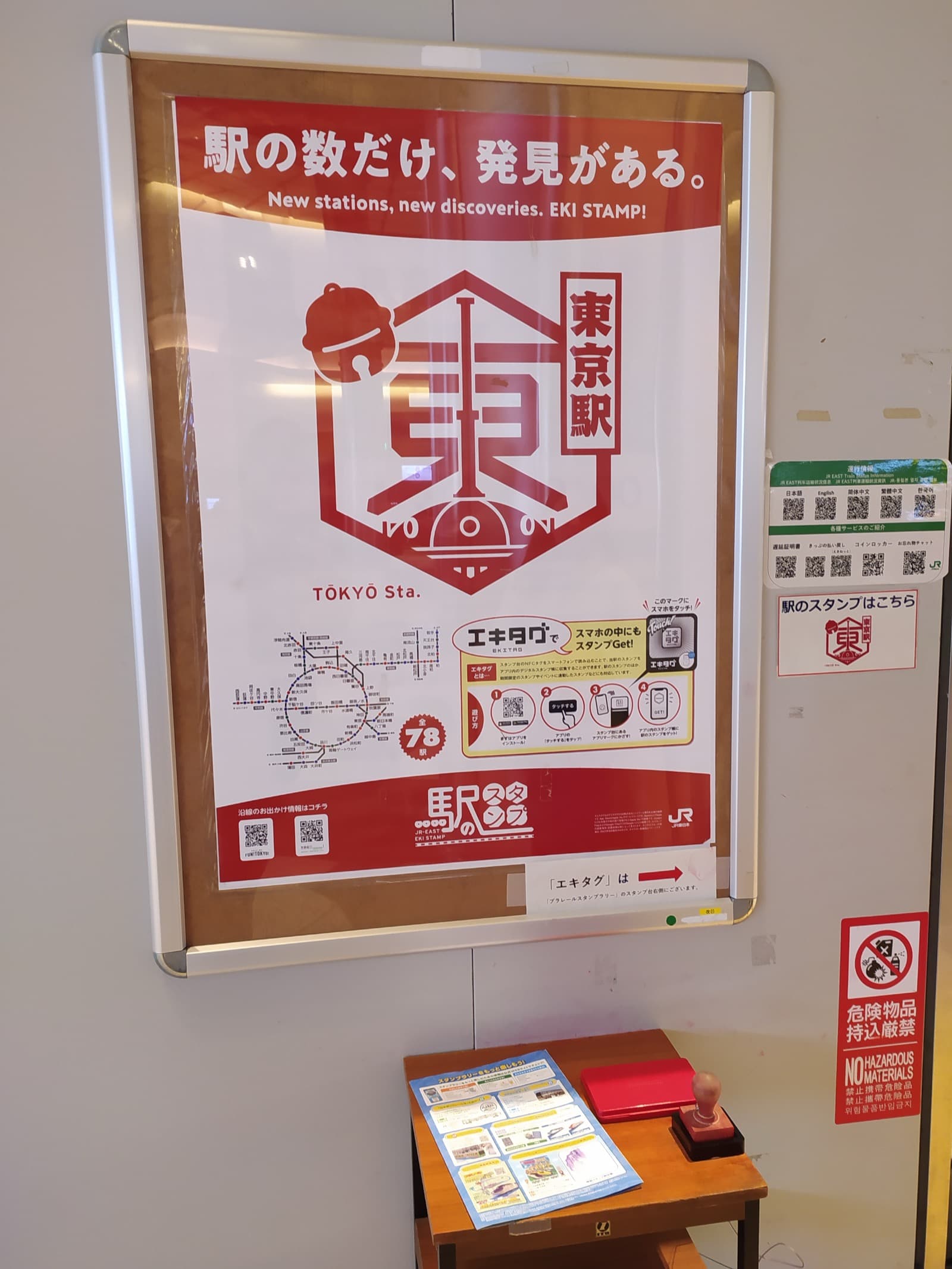
An eki stamp in Japan can look like a small side activity inside a station, but the habit says a lot about how travel is remembered. A quick stamp turns anonymous movement through rail networks into a physical record of place, design, and route.
What an eki stamp is
If you search for eki stamp in Japan, the basic answer is simple: it is a commemorative stamp placed at a station for visitors to collect. But the custom feels more interesting than the definition suggests. The stamp does not only mark where you were. It packages a station's identity into a tiny graphic object tied to movement and timing.
That is why the habit keeps attracting both railway fans and casual travelers. It adds a moment of attention inside a trip that might otherwise blur into platforms, transfers, and schedules. One stamp can make a stop feel specific.
Why people collect them
Part of the appeal is that eki stamps are low pressure and highly physical. You do not need expensive equipment or specialist knowledge. You just need a notebook, a piece of paper, or a dedicated stamp book and the curiosity to look for the stand inside the station.
The result feels satisfying because each design belongs to a place. Instead of buying the same souvenir in every city, you collect small visual records that are directly tied to the route you actually followed. That makes the journey easier to remember later.
Why the custom fits Japanese rail culture so well
Japan's train system is famous for scale, precision, and station identity. Eki stamps fit naturally into that environment because they reward noticing the local detail inside a network that can otherwise feel enormous. A station is no longer just a transfer point. It becomes a place with its own image and personality.
This is also why the topic works well for learners. It connects vocabulary about trains, stations, routes, and travel with a tangible object. Instead of memorizing transport words in isolation, you attach them to a habit people actually practice.
Why visitors remember them so easily
Eki stamps stay in memory because they combine movement with a pause. You are on your way somewhere, but you stop for a few seconds to mark the journey. That interruption gives shape to the trip and makes even ordinary station time feel intentional.
For a blog about Japan, that is exactly why the keyword matters. It captures a small but very Japanese kind of experience: turning infrastructure into ritual without making it feel forced.