Japan vending machines guide: What they reveal about convenience and trust
Why vending machines are everywhere in Japan, what people actually buy from them, and how they reflect the logic of daily life.
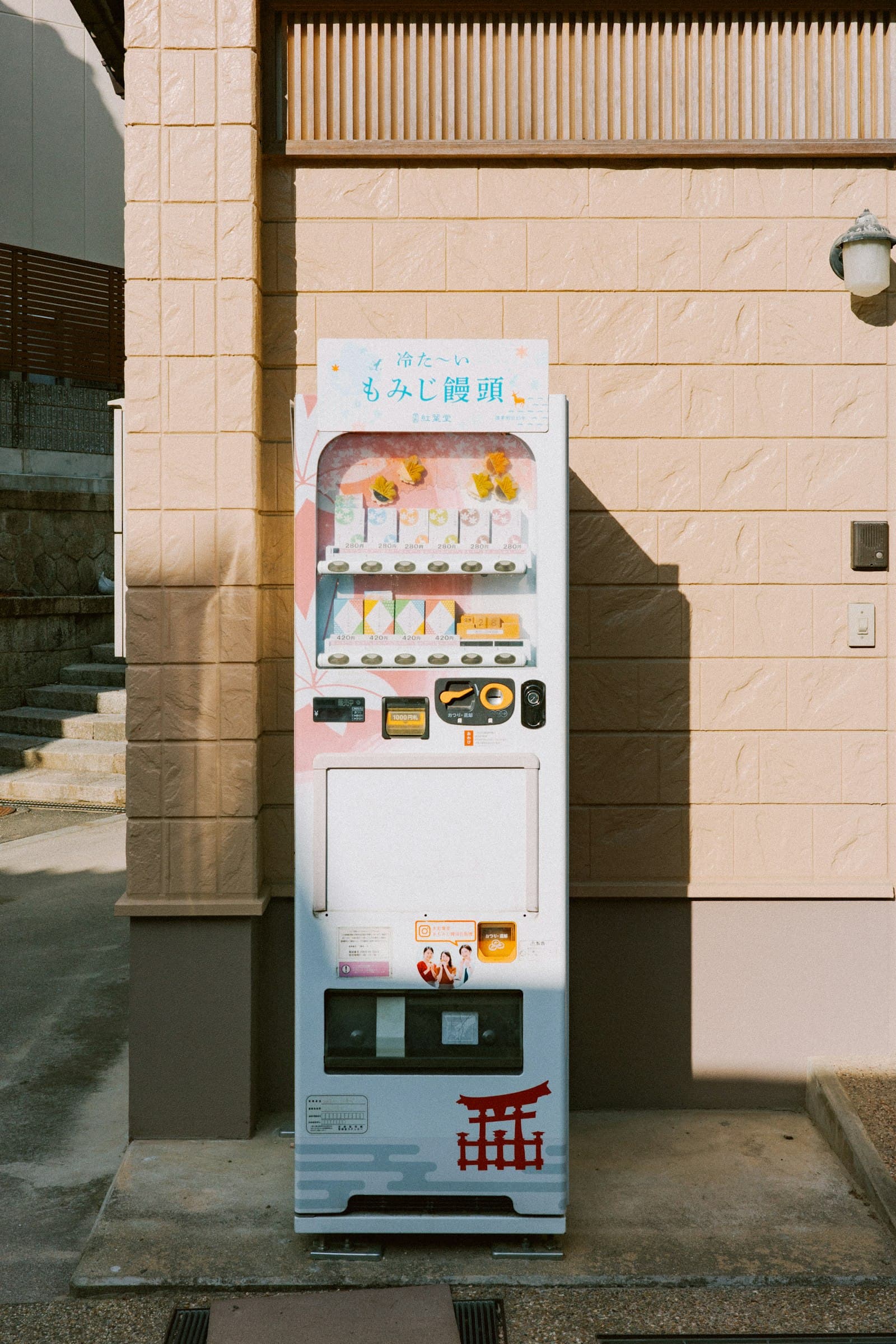
A Japan vending machines guide is really a guide to how convenience works in public space. The machines stand out because they are visible, but the deeper story is about trust, maintenance, and the expectation that small needs should be solved quickly.
Why they feel so normal in Japan
People often treat vending machines as one of the first surprising things about Japan, but locals mostly experience them as background utility. They are there at station exits, near quiet residential streets, by parking lots, beside tourist paths, and outside buildings where a small drink purchase can save time.
Their visibility matters, yet what matters more is that they usually work exactly as expected. The machine is stocked, the prices are legible, the drinks match the season, and the transaction is quick. That consistency is what turns the machine from novelty into habit.
What to notice beyond the bright colors
A good Japan vending machines guide should pay attention to detail. Hot and cold drinks often sit in the same machine. Seasonal products rotate in quietly. Packaging, placement, and lighting are designed to make selection feel immediate even when the choice is broad. The visual language is dense, but it is rarely chaotic.
The machines also show how small public conveniences depend on social expectations. If the space around them were routinely damaged or misused, the network would feel riskier and less dense. Their everyday presence suggests a broader confidence that the environment will stay functional enough for unattended retail to work.
Why learners remember this topic so easily
For beginners, vending machines connect language to instant scenes: canned coffee, water, coins, change, hot drinks in winter, cold tea in summer, and the polite practical tone of product labels. Those details are easy to imagine and therefore easier to retain.
The subject also helps explain something subtle about Japan. Convenience is often delivered through many small points of access rather than one grand gesture. Once that pattern becomes visible, related topics such as konbini, train stations, and neighborhood services become easier to interpret.