Japan castle towns: How old street layouts still shape modern places
Why Japan castle towns were planned the way they were, and how their roads, shops, and neighborhoods still influence the places people visit today.
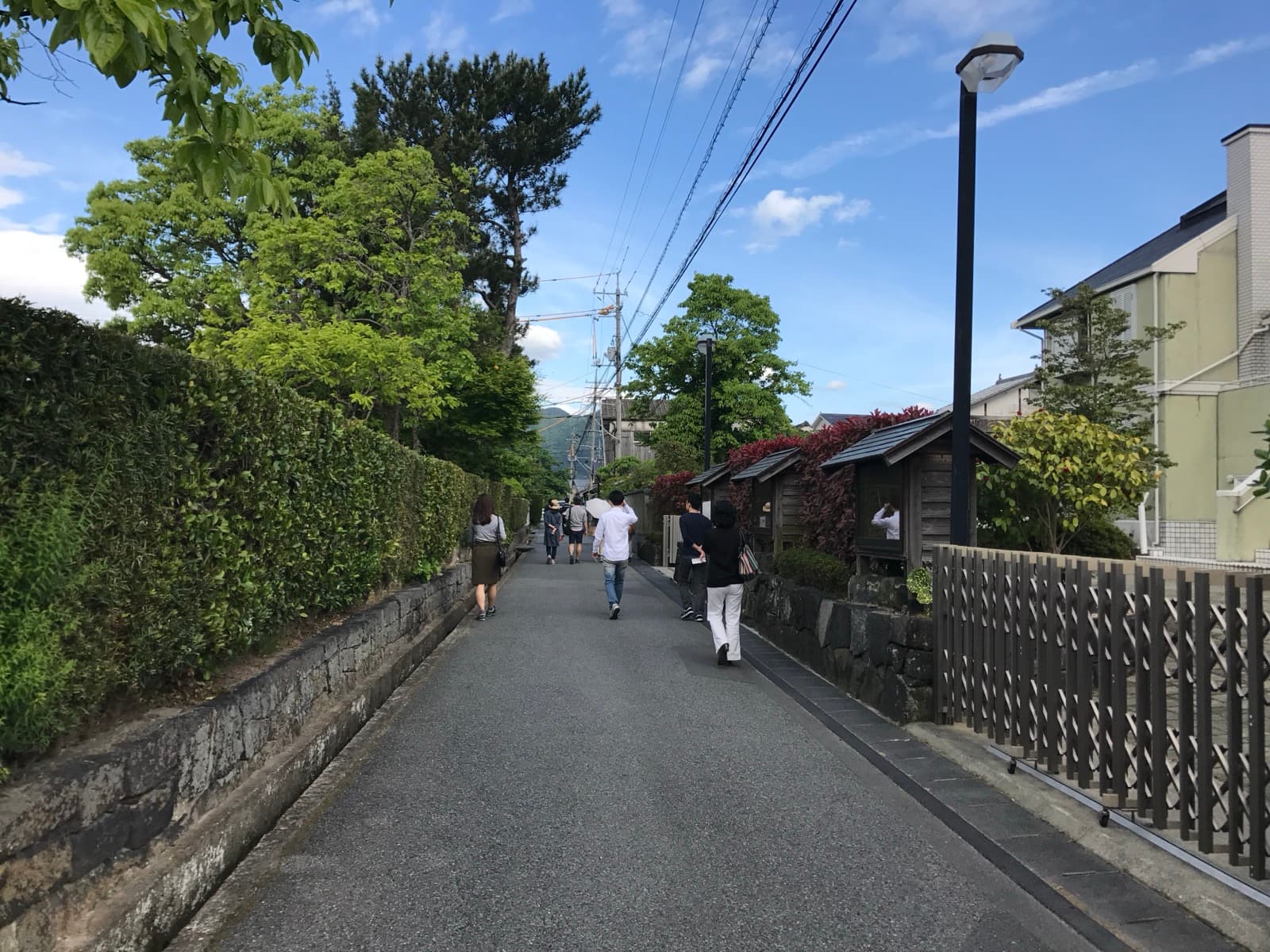
Japan castle towns were never random neighborhoods that happened to grow near a fortress. They were planned places, built to organize defense, social rank, transport, and commerce around the power of the castle.
Why castle towns were designed so carefully
A castle town grew around more than a defensive building. It organized an entire local system. Roads, merchant areas, samurai residences, waterways, and gates were positioned to support authority and movement. The castle was the symbolic center, but the surrounding town was the structure that made that power function every day.
That is why Japan castle towns are useful historical topics even if you are not especially interested in military history. Their layout shows how politics became geography. Rank, access, and economic activity were built directly into the shape of the place.
How those patterns still show up now
In some former castle towns, the original walls are gone or the center has modernized heavily. Even then, the older logic often remains visible in curved streets, preserved merchant houses, district names, or a sense that the town still points toward an absent core. The past survives through orientation as much as through monuments.
That is part of what makes walking these places so interesting. You are not only looking at old architecture. You are moving through a plan that still guides traffic, tourism, and memory. The town feels coherent because its structure was designed with hierarchy and movement in mind from the start.
Why the topic helps beginners understand history
Large historical periods can feel abstract until they become physical. Castle towns solve that problem. They let beginners connect words like daimyo, merchant district, or samurai quarter to streets, walls, and distances that can actually be seen. That makes the history easier to remember and much less distant.
For learners of Japanese culture, Japan castle towns also show how history does not stay inside museums. It remains in place names, urban texture, and local identity. Once you notice that, many towns stop feeling like generic tourist stops and start reading as historical maps that people still live inside.